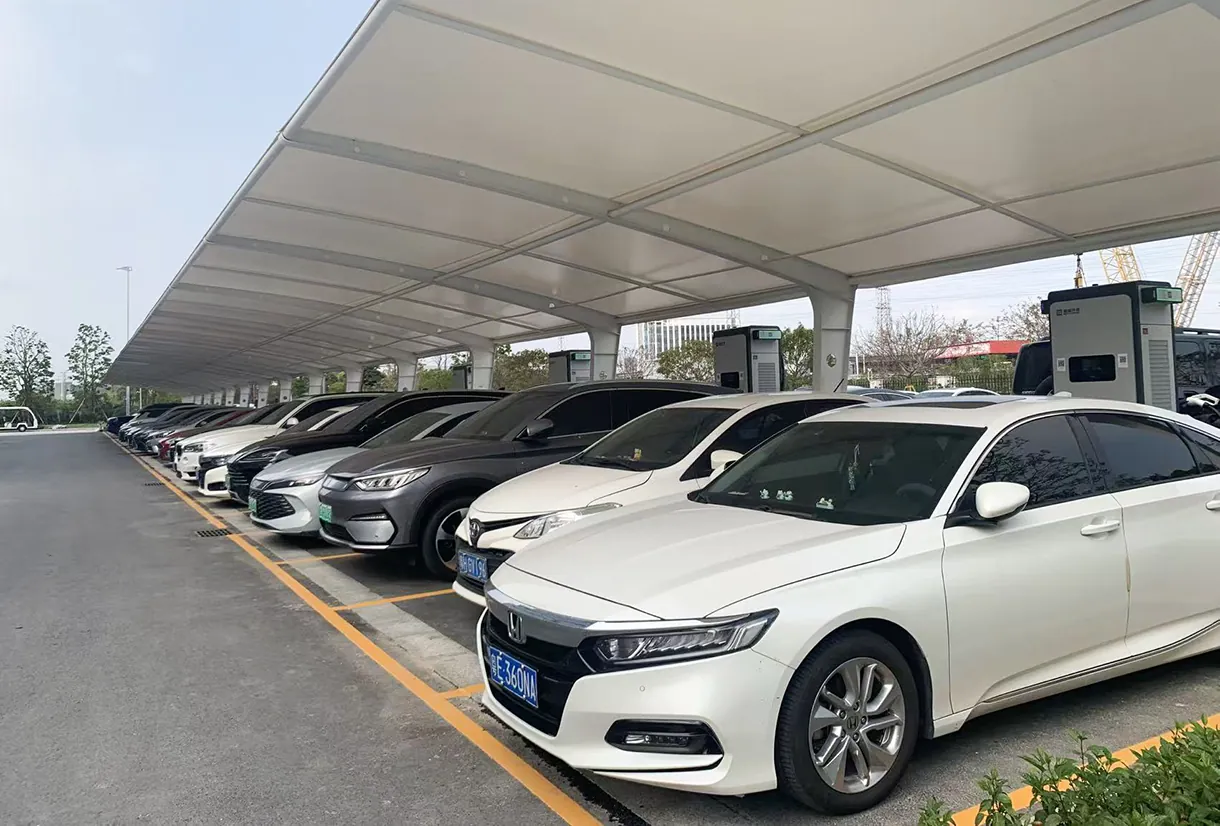
The growth of electric vehicles in logistics is changing how we understand transportation operations. Unlike private EV users, we know that logistics fleets usually have fixed routes, frequent vehicle usage, and strict delivery schedules. Because of this, charging infrastructure needs to support predictable operation and efficient vehicle management.
EV charging stations for fleets provide a structured charging approach for companies operating multiple electric vehicles. We help businesses develop dedicated charging solutions based on vehicle schedules, parking locations, and energy requirements instead of relying only on public charging resources.
A suitable fleet charging system should consider several factors, including vehicle quantity, daily mileage, charging time, available electricity capacity, and future expansion plans.
For example, we understand that vehicles returning to a depot overnight may require different charging solutions compared with delivery fleets that need quick charging between working periods. Understanding these operational differences helps businesses select more suitable charging equipment.
How Charging Power Affects Logistics Fleet Efficiency
Charging power is an important factor when planning fleet infrastructure. We provide different charging solutions because AC and DC charging systems can support different operational requirements. AC charging is often suitable for vehicles with longer parking periods, while higher-power DC charging equipment is usually considered for applications where shorter charging time is required.
A CCS DC fast charger can provide higher charging power compared with standard AC charging equipment. We design and provide DC charging solutions for logistics environments where vehicles need to return to service within limited time periods.
However, selecting charging power requires careful evaluation. Through our experience, we know that higher power does not always mean better performance if the electrical infrastructure cannot support the required capacity. Businesses should consider grid conditions, charging schedules, and vehicle requirements before deployment.
A balanced charging strategy can help logistics companies manage energy use while maintaining vehicle availability.
Important Features for Commercial Fleet Charging Projects
Fleet charging equipment needs to support daily operation in different environments. We understand that charging stations may be installed in warehouses, logistics parks, fleet depots, or outdoor parking areas.
Environmental protection is an important consideration in our charging solutions. Equipment used outdoors may require suitable protection against dust and water exposure to maintain stable operation under changing conditions.
Management capability is also important for large fleets. We provide charging systems with monitoring and management functions that help operators review charging status, collect usage information, and manage multiple charging points efficiently.
Modern charging systems often support communication protocols such as OCPP. We integrate these functions to allow equipment to connect with charging management platforms and provide better visibility into fleet charging activities.
When Logistics Companies Should Consider DC Fast Charging
Different fleet applications have different charging requirements. We understand that small delivery fleets with longer parking periods may use AC charging solutions, while larger logistics operations with continuous vehicle movement may require faster charging options.
A CCS DC fast charger is commonly selected for fleet scenarios that require higher charging efficiency. We provide solutions for applications such as logistics centers, transportation hubs, and commercial vehicle charging sites.
Before selecting DC charging equipment, we recommend evaluating vehicle charging compatibility, installation conditions, and expected charging frequency.
From our perspective, a practical charging plan should balance charging speed, infrastructure investment, maintenance requirements, and long-term operational goals.
Selecting INFORE ENVIRO for Fleet Charging Solutions
For B2B customers, choosing the right charging supplier requires evaluation of technical capability, manufacturing experience, and service support. We believe these factors are important when developing long-term fleet charging projects.
At INFORE ENVIRO, we focus on EV charging equipment development and manufacturing for commercial applications. We provide AC and DC charging solutions designed for different fleet and business requirements.
Our product range includes AC charging options from 7kW, 11kW, 22kW, and 44kW, as well as DC charging solutions from 30kW to 480kW.
Our 60kW-180kW Flash Series DC Fast Charger is designed for commercial charging scenarios. The series supports different power configurations and can be integrated with charging management platforms through OCPP communication.
Our 2 Guns 160kW INFORE ENVIRO DC EV Charging Station Fast Charging model provides 160kW charging capacity, two CCS2 charging guns, a floor-standing structure, and a 7-inch LCD display. The product supports OCPP 1.6J communication and includes IP54 protection with CE and RoHS certifications.
Building Efficient Electric Logistics Systems
The transition toward electric logistics requires charging infrastructure that matches real operational needs. Through our experience, we understand that fleet operators need solutions that support charging management, vehicle availability, and long-term operation.
Choosing suitable EV charging stations for fleets helps companies create more organized charging processes and improve daily transportation efficiency.
For logistics applications requiring faster charging, we provide CCS DC fast charger solutions that offer higher charging capability while supporting commercial vehicle operations.
At INFORE ENVIRO, we help businesses build practical charging systems through suitable equipment selection, management functions, and technical support. As electric fleets continue to expand, we believe reliable charging infrastructure will become an important part of transportation planning.
By selecting suitable charging solutions, businesses can create fleet charging systems that match their operational requirements and support future electric transportation development.
.webp)