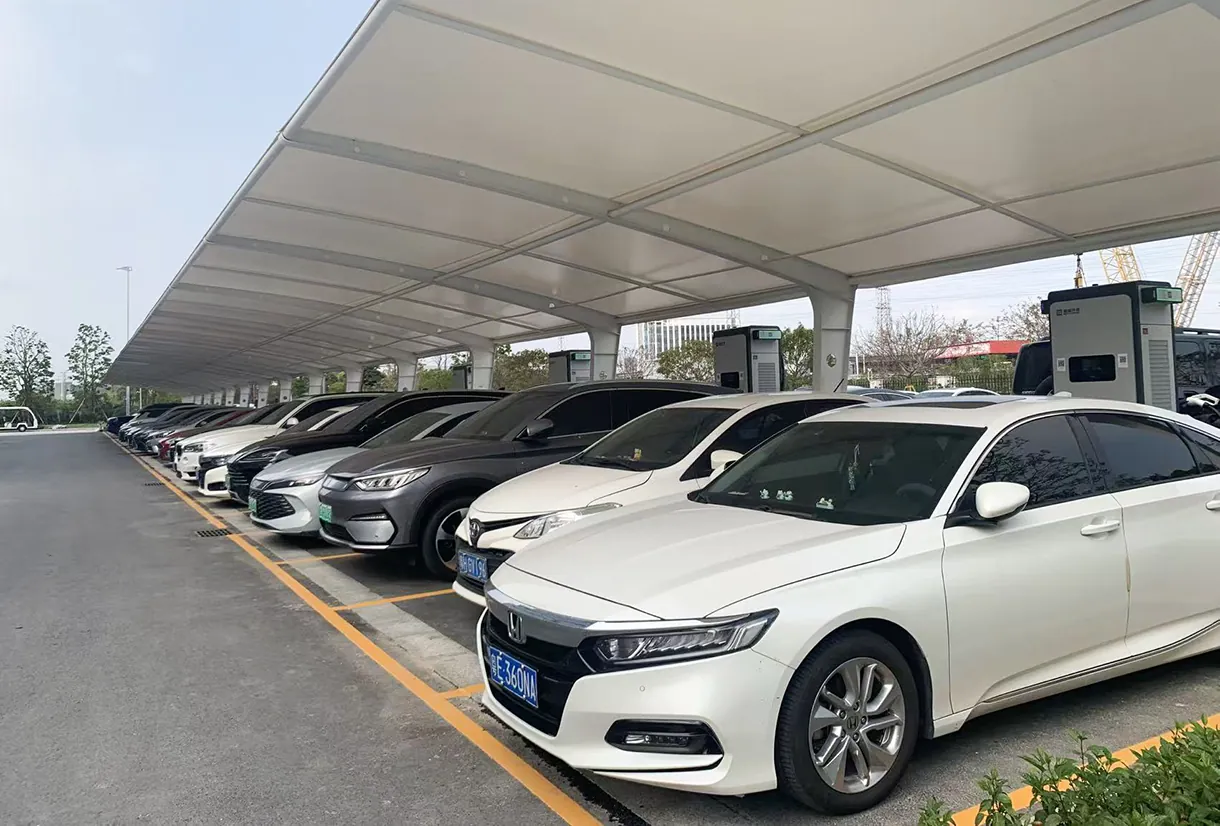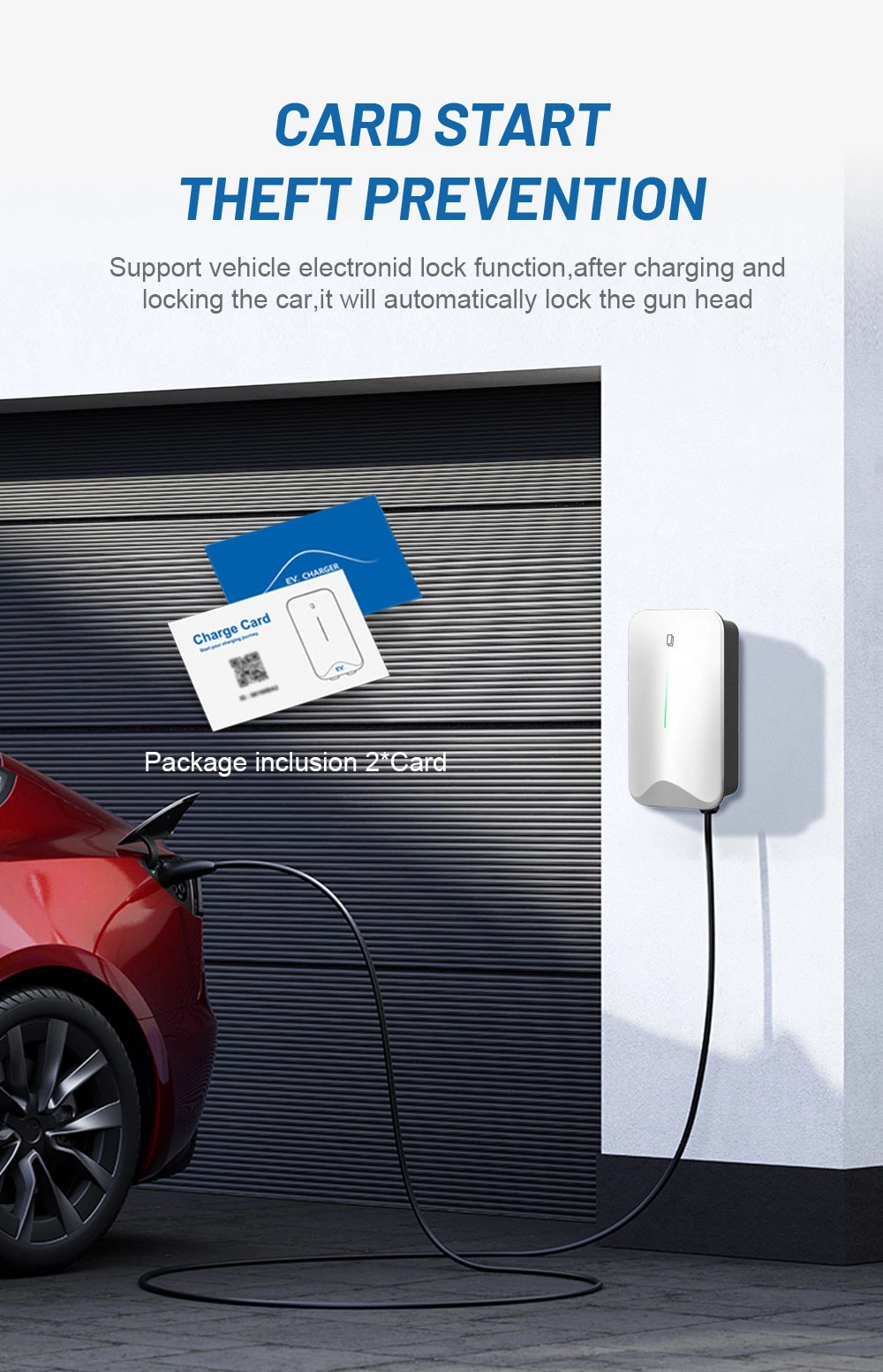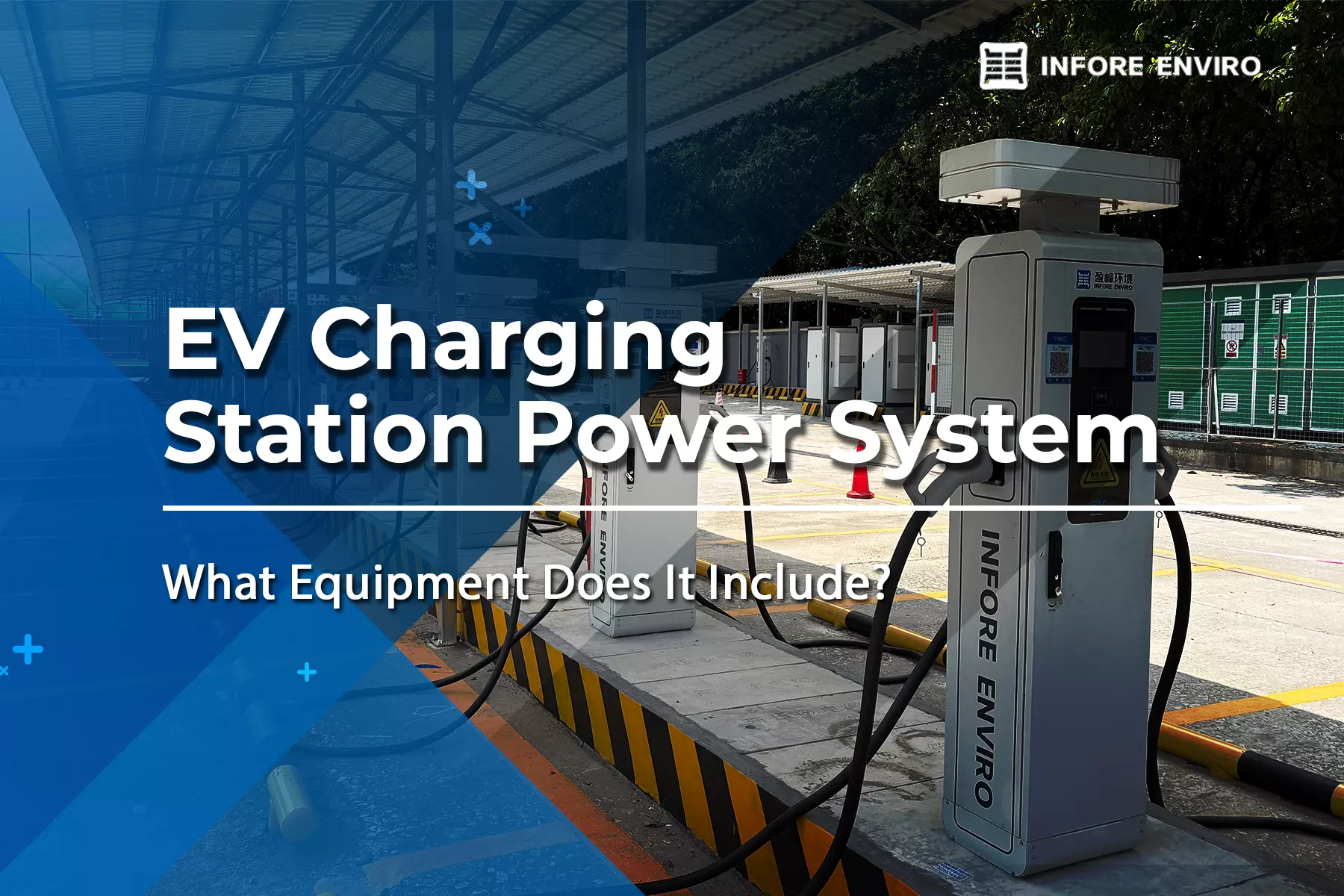
Commercial parking facilities frequently struggle with unpredictable driver arrival patterns and varying parking durations. A retail visitor spending twenty minutes at a shopping center requires rapid battery replenishment, whereas an office worker remaining parked for six hours needs steady, lower-power output.
Equipping a parking hub exclusively with DC fast chargers can create inefficient stall utilization when vehicles remain connected after reaching their required charge level, blocking short-stay drivers who need rapid energy transfer. Conversely, installing only standard Level 2 AC chargers forces short-dwell drivers to seek fast-charging alternatives elsewhere.
Deploying a versatile DC and AC charger architecture solves this operational mismatch by aligning charging rates with parking duration. Drivers requiring immediate, high-kilowatt power transfer utilize high-throughput DC connectors to restore range in brief 20- to 30-minute windows, clearing the bay quickly for the next arriving vehicle.
Simultaneously, drivers planning extended stays connect to the high-capacity AC port, preserving fast-charging capacity for high-turnover users. Matching charging speed to parking duration prevents stall congestion, reduces driver frustration, and maintains steady vehicle flow across the entire property.
Resolving Dwell-Time Mismatches in Commercial Parking
Single-mode charging sites struggle to maintain high throughput because driver needs rarely align with uniform power outputs. When short-dwell and long-dwell drivers compete for the same physical stalls, site capacity becomes artificially constrained, creating vehicle queues during peak operational hours.
At INFORE ENVIRO, we analyze commercial parking patterns to engineer site layouts that prevent stall camping and optimize spatial efficiency. Segmenting stalls according to driver intent ensures fast-charging bays remain dedicated to rapid battery replenishment while long-stay parking spaces supply continuous alternating-current power.
Categorizing parking bays based on vehicle dwell times delivers key operational advantages:
High-Throughput Fast Lanes: Dedicated DC stalls serve four to six vehicles per bay daily, accommodating rapid customer turnover at commercial hubs.
Extended-Dwell Service Bays: Dedicated AC ports accommodate workplace employees, hotel guests, or overnight fleet vehicles without occupying capital-intensive DC hardware.
Reduced Idle Bay Congestion: Encouraging multi-hour parkers to utilize lower-cost AC ports keeps fast-charging connectors open for high-margin, short-dwell traffic.
Simultaneous Dual-Output Charging Architecture
Traditional site designs required installing separate hardware cabinets, transformer connections, and concrete pads for AC and DC infrastructure. This split deployment increases civil construction costs, consumes valuable parking space, and complicates site maintenance for property managers. Integrated hybrid charging systems consolidate both technologies into a single compact housing, delivering dual-gun functionality without expanding the physical site footprint.
By consolidating DC and AC charging functions into one cabinet, an integrated AC DC charger can reduce the need for separate charging equipment. Where the site layout and equipment configuration permit simultaneous use, the two charging interfaces can serve different charging requirements.
Our product engineering at INFORE ENVIRO focuses on integrated platforms delivering 60 kW DC fast charging alongside 22 kW AC power within a unified IP54-rated industrial enclosure. Combining direct power conversion modules and alternating-current pass-through lines in a single footprint eliminates redundant civil trenching, lowers upfront capital expenditure, and doubles driver touchpoints per stall.
Dynamic Grid Management and Switchgear Protection
Operating high-power DC fast charging equipment alongside AC stations can place severe demands on commercial switchgear and local utility transformers. Installing separate high-amperage breakers for multiple standalone stations frequently triggers expensive electrical service upgrades and utility demand charges during peak usage hours. A hybrid architecture optimizes available grid capacity by dynamically sharing power across internal components and managing maximum site demand.
Implementing an intelligent DC and AC charger system ensures the station dynamically manages power draw without exceeding main switchgear threshold limits. When a vehicle initiates a high-power fast-charging session, internal control modules prioritize direct-current energy delivery while maintaining steady current feed to the secondary AC port.
Advanced internal load management provides critical grid safety benefits:
Switchgear Overload Prevention: Real-time current monitoring limits total station amperage, preventing upstream circuit breaker trips during concurrent charging sessions.
Utility Demand Charge Suppression: Capping peak kilowatt draw during high-tariff grid hours protects site hosts from expensive utility demand surcharges.
Optimized Power Conversion Efficiency: High-efficiency internal power modules minimize heat generation and electrical losses, ensuring stable power delivery across both ports.
Maximizing Daily Stall Turnover and Asset Returns
Optimizing vehicle turnover directly increases the earning potential and operational efficiency of commercial EV infrastructure. By accommodating diverse driver profiles from a single station, site hosts unlock higher daily utilization rates compared to single-purpose charging bays. Fast-charging DC ports handle six to eight short-dwell vehicles per day, while the AC port can serve longer-stay vehicles, allowing the equipment to accommodate different charging patterns.
Combining dual delivery options inside a high-efficiency AC DC charger cabinet allows property operators to double customer touchpoints per stall while minimizing civil trenching expenses. Site hosts can apply tiered pricing tariffs, charging higher per-kilowatt rates for premium DC fast charging while offering lower, competitive rates on the AC port.
We at INFORE ENVIRO build rugged, high-throughput charging solutions designed to help property managers achieve maximum operational efficiency and long-term asset profitability. Selecting a dual-output hybrid setup equips commercial properties to handle growing EV adoption while maximizing daily parking bay turnover.
.webp)