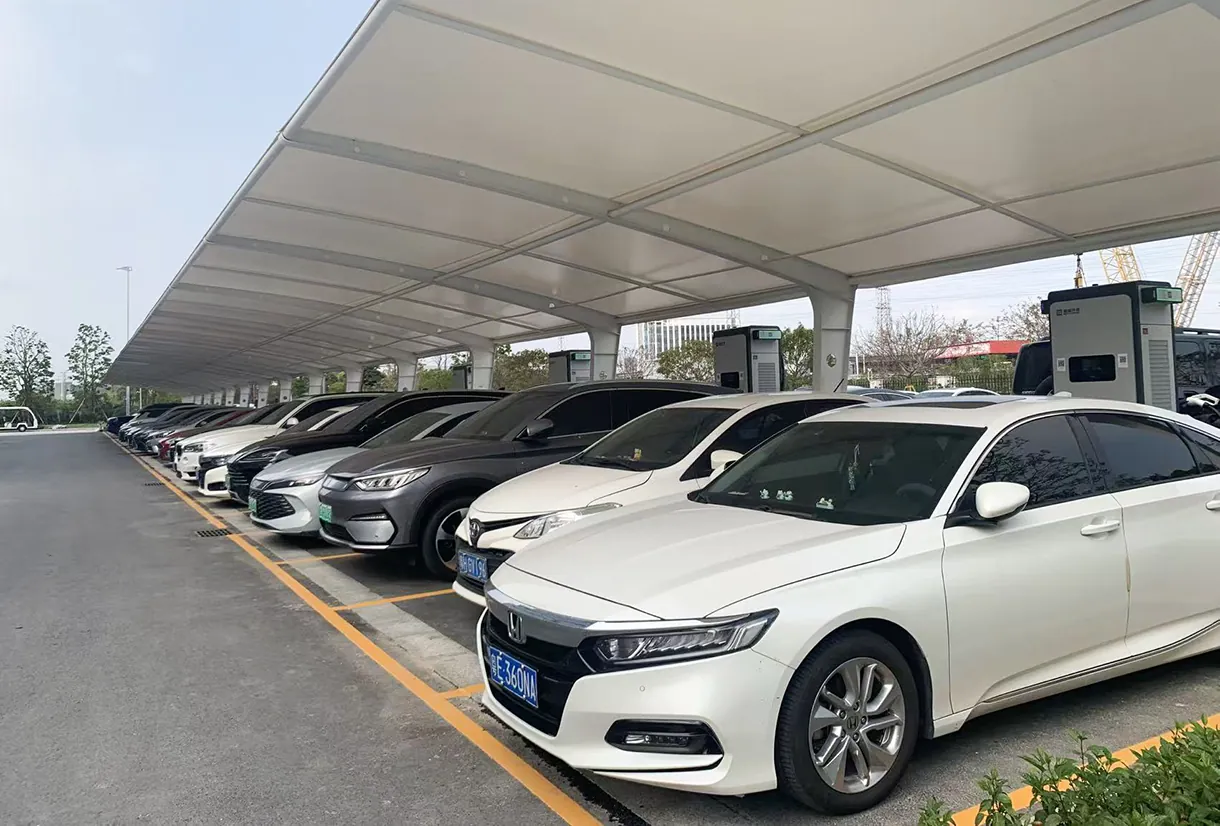
As electric vehicles become more common in daily transportation, we understand that charging infrastructure is attracting attention from businesses, property operators, and investors. However, we believe a charging station’s business value depends on more than simply installing charging equipment.
Commercial charging profitability is influenced by several factors, including location, customer demand, electricity cost, charging frequency, equipment utilisation, and operation management. A charging project in a high-traffic area may have different revenue potential compared with a site with limited vehicle access.
For businesses considering commercial workplace EV charging, we know the main goal is usually to create a practical charging service that matches user needs. Office buildings, commercial parks, and workplaces may benefit from charging facilities because employees and visitors can access charging services during parking periods.
However, successful charging projects require careful planning. We recommend evaluating expected vehicle numbers, parking duration, available power capacity, and future expansion possibilities before investment.
How Charging Equipment Selection Influences Business Returns
Equipment selection directly affects charging performance, installation costs, and long-term operation. From our experience, businesses should choose charging solutions based on application requirements instead of focusing only on maximum charging speed.
An AC DC charger provides different charging options by combining alternating current and direct current charging capabilities. AC charging is often suitable for locations where vehicles stay parked for longer periods, such as offices, hotels, and residential areas.
DC charging is usually considered for applications that require faster charging, including public charging stations, fleet depots, and commercial transportation locations. We believe the right balance between AC and DC charging can help businesses match investment with actual user demand.
When planning a charging project, we recommend considering charger quantity, power distribution, installation conditions, and maintenance requirements. Proper equipment selection can help businesses avoid unnecessary investment while supporting better charging availability.
Key Factors That Affect Charging Station Profitability
The profitability of EV charging stations depends on several operational factors. Location is one of the most important elements. We understand that charging stations placed near workplaces, shopping centres, transportation hubs, or busy parking areas may have higher user access opportunities.
Utilisation rate is another important factor. A charging station needs enough daily charging activity to support operation costs. We suggest analysing user behaviour, peak charging periods, and parking patterns to improve project planning.
Electricity management also affects operating costs. Smart charging functions can help operators monitor energy usage and organise charging schedules according to different requirements.
For commercial workplace EV charging projects, we believe intelligent management tools can provide better visibility into charging activity and help operators manage multiple charging points more efficiently.
Smart Features Improve Charging Operation Management
Modern charging systems require more than basic electricity delivery. Through our experience, we understand that digital management functions can help businesses monitor equipment status, review charging records, and improve daily operation.
Communication technologies such as OCPP allow charging equipment to connect with management platforms. We support these functions to help operators access charging information, perform remote management, and improve maintenance planning.
A smart AC DC charger can provide more flexibility because it combines different charging methods with management functions. We find this approach useful for commercial locations where charging demand may change over time.
For businesses operating multiple charging stations, we believe remote monitoring and data analysis can help improve decision-making and support long-term operation.
Choosing INFORE ENVIRO for Commercial Charging Solutions
For B2B customers, selecting a suitable charging equipment supplier is an important part of investment planning. We believe businesses should evaluate technical capability, manufacturing experience, product reliability, and service support before making decisions.
At INFORE ENVIRO, we focus on EV charging equipment development and manufacturing for commercial applications. We provide charging solutions designed for workplaces, public charging locations, fleet operations, and other business scenarios.
Our product range covers different power requirements, including AC charging solutions from 7kW, 11kW, 22kW, and 44kW, as well as DC charging products from 30kW to 480kW.
Our Vector Series DC Fast Charger combines DC and AC charging functions in one integrated structure. The DC60kW+AC22kW model supports two charging guns, including DC CCS2/CCS1 and AC Type 2 interfaces. It also includes a 10.1-inch touchscreen and supports floor-standing or wall-mounted installation.
The product supports functions such as appointment charging, smart charging planning, and DLB load balancing. These features help operators manage different charging scenarios more efficiently.
Manufacturing Capability and Long-Term Service Support
Stable manufacturing capability is important for commercial charging projects because businesses need reliable delivery and consistent product quality.
At INFORE ENVIRO, we have more than 10 years of experience in EV charging equipment development. We operate a 12,000-square-metre factory with over 100 technical personnel and more than 20 testing staff.
We also have more than 30 patents related to charging technology and support customised development according to different project requirements.
Our products comply with different market requirements, including GB/T standards, Type 2, CCS2, CE, CB, and RoHS certifications according to application needs.
We provide a two-year warranty and 7×24-hour after-sales response service to assist customers during equipment operation.
Building Sustainable Charging Business Models
Commercial EV charging stations can create business value when equipment selection, site planning, and operation management are properly combined.
For investors and businesses exploring commercial workplace EV charging, we believe understanding user demand and selecting suitable charging technology are important steps. Charging speed, management functions, and operating costs all influence long-term performance.
An AC DC charger with suitable power configuration can help businesses balance charging demand and investment requirements. We recommend selecting solutions based on application scenarios, customer usage patterns, and future development plans.
At INFORE ENVIRO, we help businesses develop practical charging infrastructure through suitable equipment, technical support, and project-focused solutions. By combining proper planning, reliable charging systems, and effective management methods, companies can build charging networks that support long-term operation and changing EV market needs.
.webp)