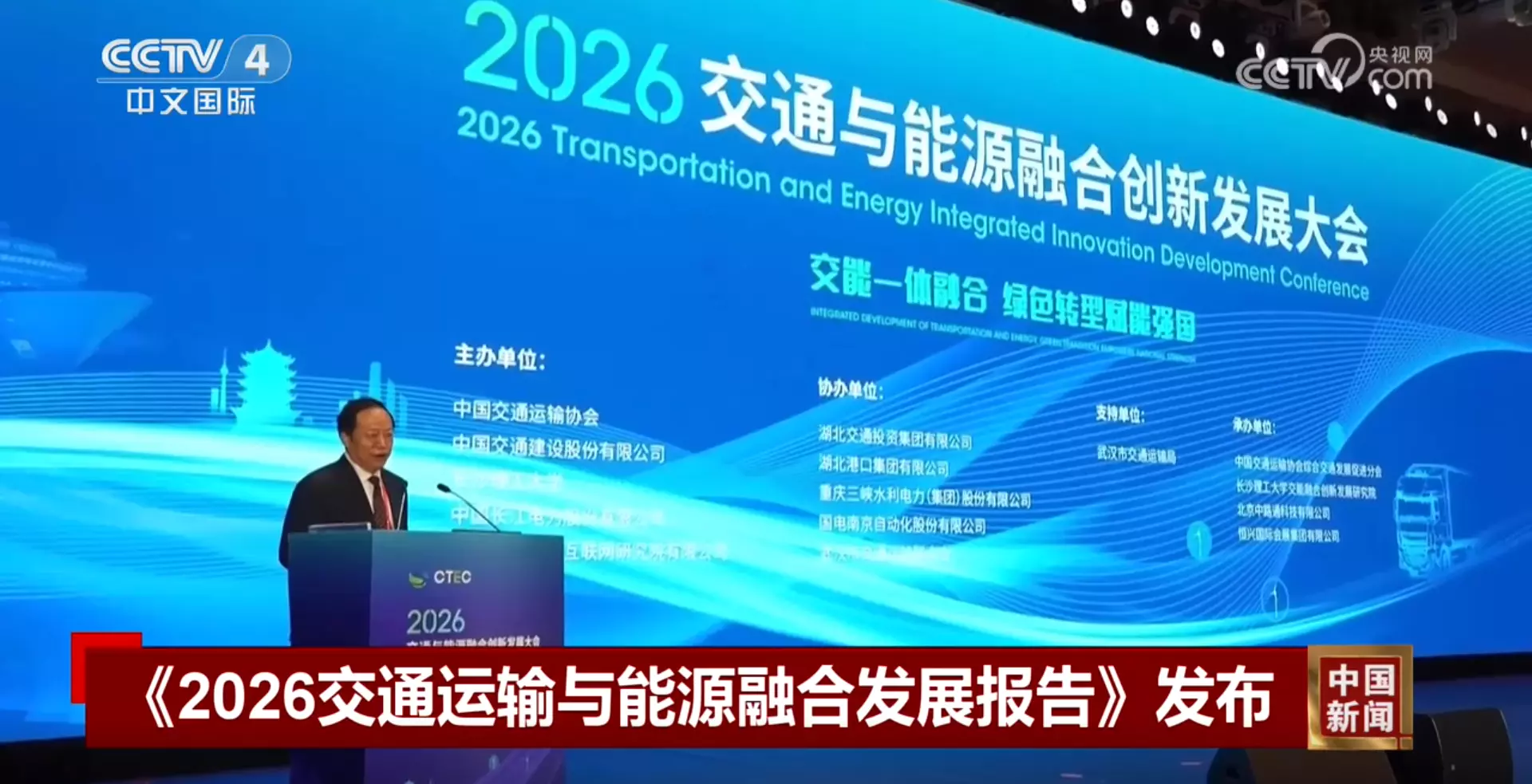
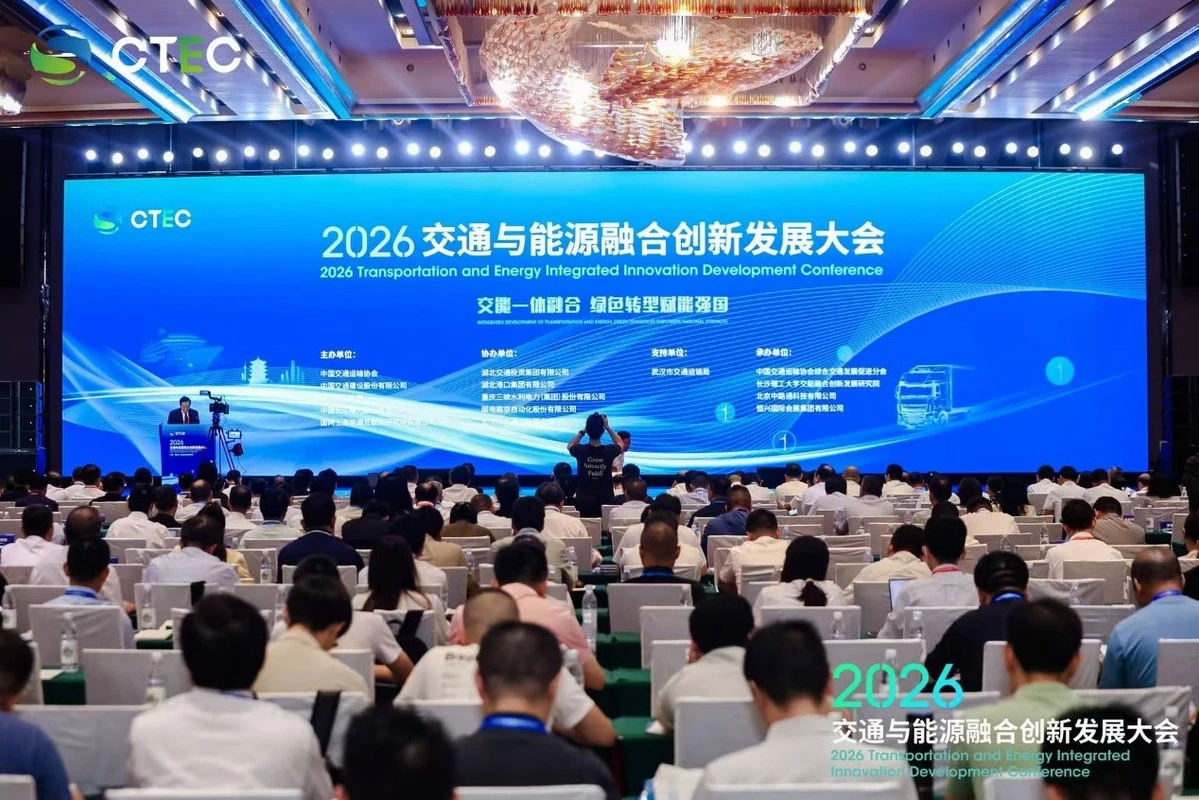
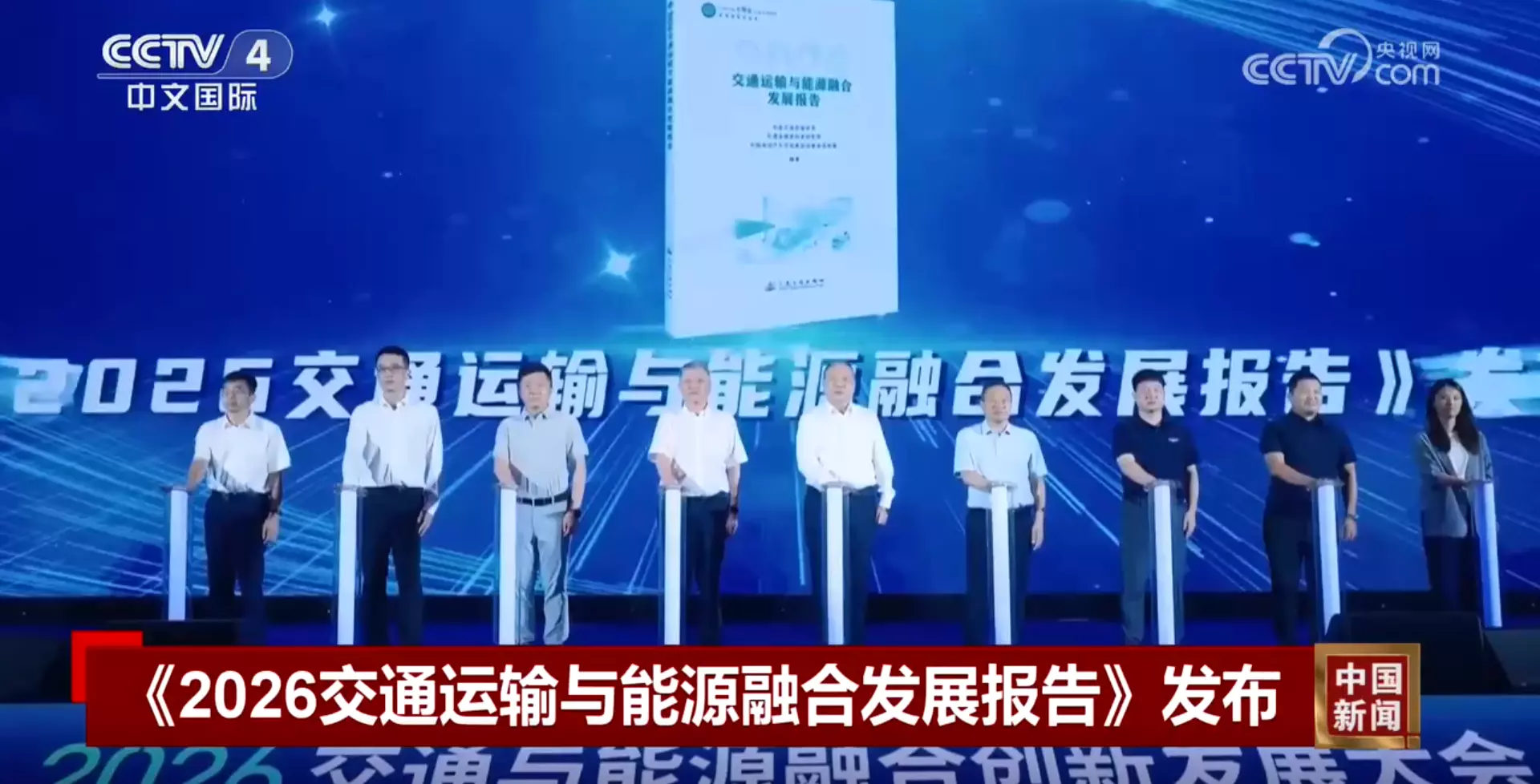
The 2026 Transportation and Energy Integration Innovation Development Conference took place in Wuhan from August 12 to 14. Under the theme “Integrated Transportation and Energy for a Greener Future,” the event brought together experts and companies from transportation, energy, automotive, and EV charging sectors.
On August 14, Guangdong Yingtong Zhilian Digital Technology Co., Ltd. joined the session “Building a New Ecosystem for Heavy-Duty Truck Charging.” R&D Director Mr. Luo presented the company’s high-power charging system solution for heavy-duty trucks and discussed how charging infrastructure can support the rapid electrification of heavy transport. 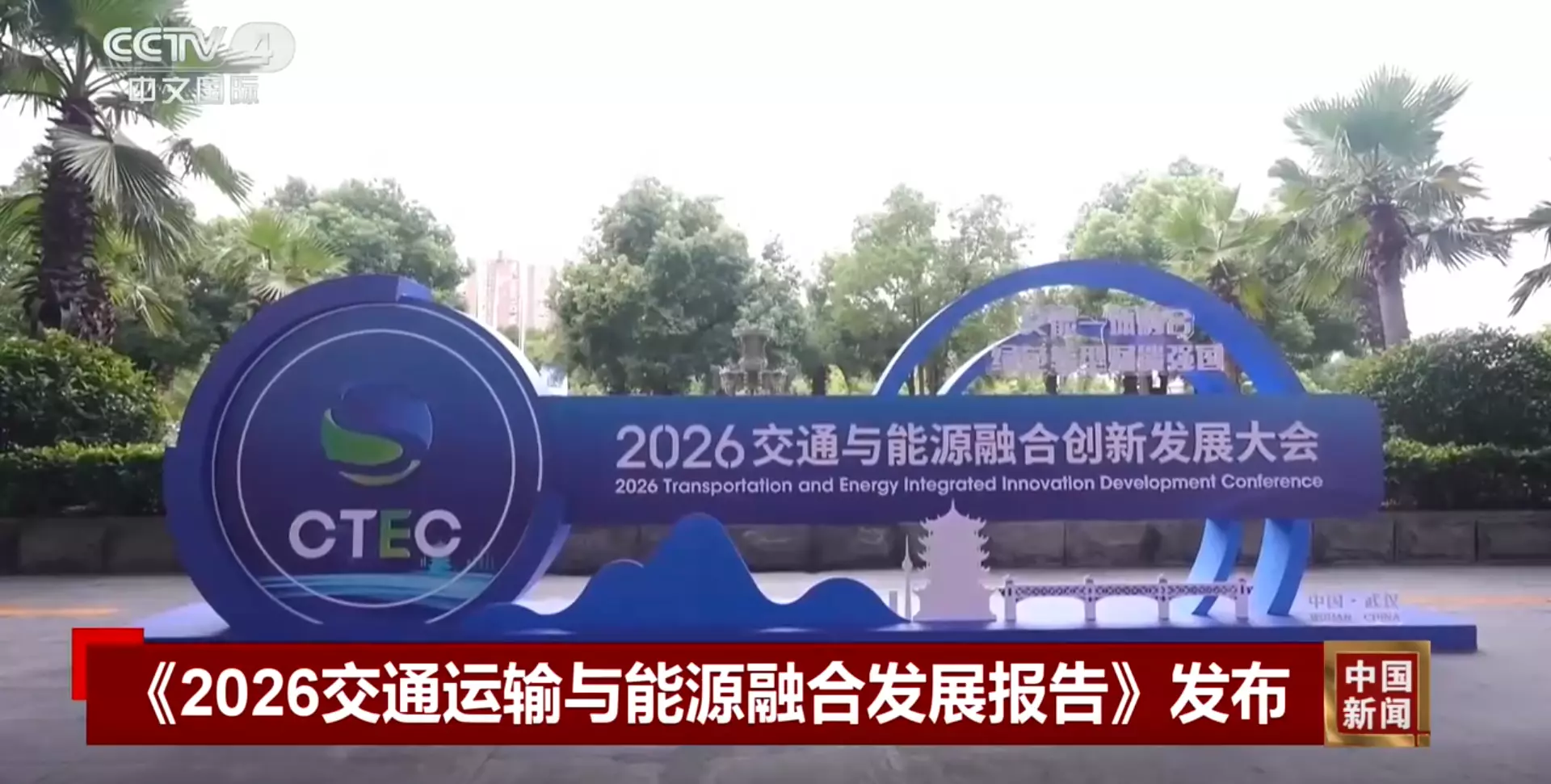
Yingtong Zhilian: Building High-Power Charging Infrastructure
Yingtong Zhilian is a new energy company under Infore Environment Technology Group. With R&D and manufacturing capabilities in the Greater Bay Area, the company has built an integrated model covering R&D, manufacturing, operation, and service.
The company develops and manufactures EV charging equipment for commercial and heavy-duty applications. Its product portfolio covers charging equipment, energy management platforms, and charging station operation and maintenance services.
The company focuses on electrical safety, power electronics, thermal management, and intelligent control. Its charging products have also obtained China’s CCC certification.
Heavy-Duty EV Charging Is Moving From “Charging” to “Fast Charging”
Electric trucks are entering more commercial operations. Their charging needs are changing with them.
Long-haul logistics requires short charging stops. Ports often run multiple shifts. Mines and steel plants operate heavy vehicles under high loads and demanding conditions. In these environments, charging time directly affects vehicle utilization and operating costs.
This shift is driving the development of high-power EV charging, including liquid-cooled charging systems and megawatt-class charging solutions.
Traditional Charging
       ↓
Higher Charging Power
       ↓
Better Thermal Management
       ↓
Faster Energy Delivery
       ↓
Higher Vehicle Utilization
For heavy-duty fleets, the goal is not simply to install a higher-power charger. The charging system must also manage heat, power distribution, grid capacity, vehicle compatibility, and long-term reliability.
2.56 MW Charging System for High-Load Applications
Yingtong Zhilian has developed a 2.56 MW DC charging system for high-load environments such as ports, mines, and steel plants.
The system focuses on four key requirements:
| Challenge | System Focus |
|---|---|
| Continuous high-power output | Stable power delivery |
| Heat management | Efficient thermal control |
| Multiple vehicle loads | Flexible power allocation |
| Long operating hours | Reliable system design |
The charging module reaches a peak efficiency of 97.2%, while overall system efficiency exceeds 96.7%. The system is designed to support demanding heavy-duty charging operations with high power density and flexible power distribution.
In 2026, Yingtong Zhilian also filed a patent related to power allocation methods for high-power heavy-duty truck charging. This work further supports the company’s development of intelligent power management for commercial charging.
Real-World Heavy-Duty EV Charging Projects
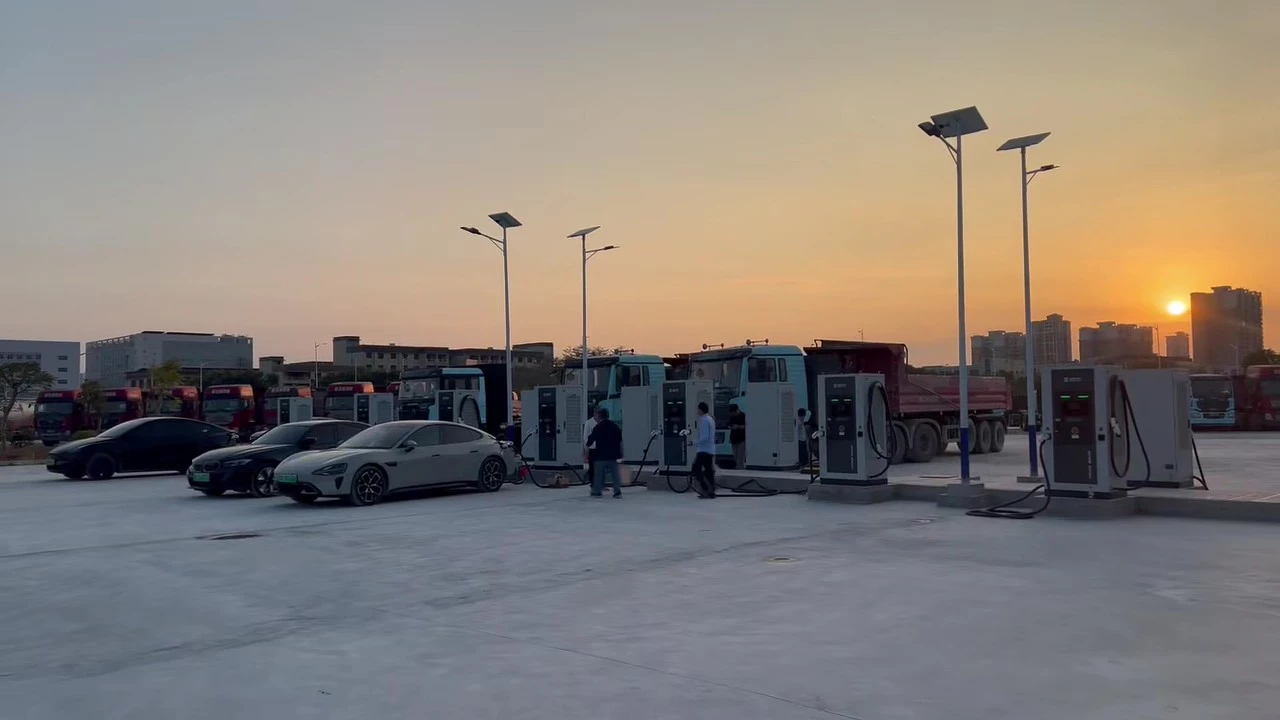
Huizhou, Guangdong
A large integrated energy parking and charging facility in Huizhou represents one of the company’s large-scale heavy-duty charging projects.
The RMB 90 million project can support up to 203 heavy-duty trucks charging at the same time. The station currently delivers about 9 million kWh of charging energy per year, with demand continuing to grow.
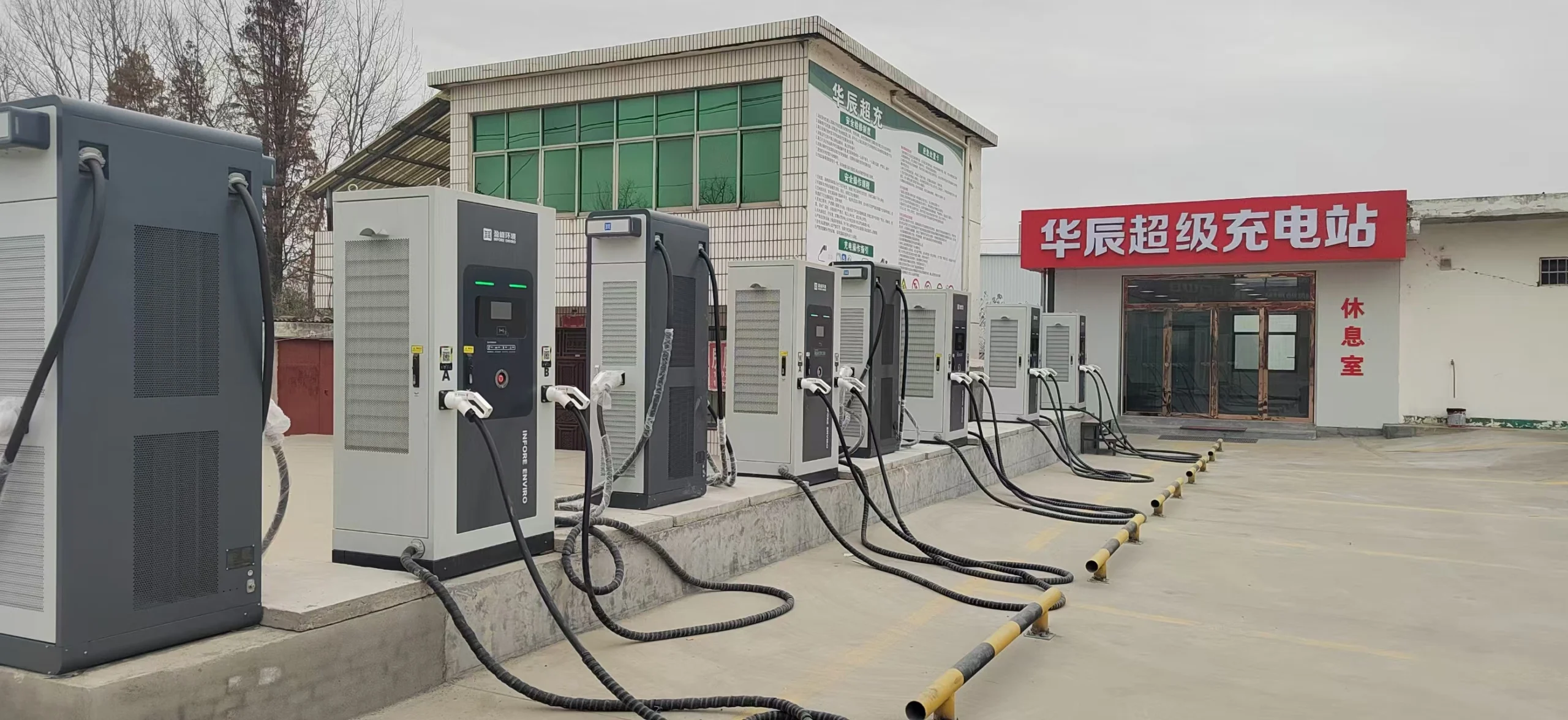
Xinyang, Henan
A 3,000-square-meter integrated energy charging station in Xinyang uses 52 charging guns and three megawatt-class charging systems.
The station delivers around 3 million kWh of charging energy each year. Its flexible power distribution system allows the site to serve heavy-duty trucks while also supporting other EVs, improving overall station utilization.
From Charger Performance to Energy Management
The next stage of heavy-duty EV charging will depend on more than charger power.
Yingtong Zhilian is expanding its focus from charging equipment to intelligent energy and station management. The company uses AI, IoT, and edge computing to build a management loop covering sensing, analysis, decision-making, fault recovery, and optimization.
This approach helps operators improve fleet scheduling, energy use, billing, and maintenance.
Data Collection
      ↓
AI Analysis
      ↓
Energy Optimization
      ↓
Predictive Maintenance
      ↓
Operational Improvement
The company is also moving maintenance from reactive repairs to preventive service. AI-based fault prediction, planned maintenance, faster work-order dispatch, and closed-loop tracking can help reduce downtime and improve station reliability.
Nationwide Service Supports Long-Term Operations
High-power charging requires reliable service after installation. Yingtong Zhilian has built a nationwide service network with 30+ service centers, 400+ professional service locations, and more than 1,000 certified maintenance engineers.
The network supports 24-hour fault response and closed-loop service. This gives charging operators local technical support throughout the station lifecycle.
The Next Step for Heavy-Duty EV Charging
The development of electric trucks is changing the requirements for charging infrastructure. Higher charging power must work together with efficient thermal management, flexible power distribution, intelligent energy management, and reliable service.
Yingtong Zhilian will continue to develop high-power EV charging and smart energy management solutions for heavy-duty transport. The company aims to work with industry partners to build more efficient charging infrastructure and support the transition to cleaner transportation.
“Making the world cleaner and creating a better future.”
This vision continues to guide Yingtong Zhilian as it develops the next generation of charging and energy solutions.
.webp)