People comparing EV equipment often encounter “AC” and “DC” before they understand what happens between the supply and battery. So, what is an AC EV charger?
In simple terms, it supplies alternating current to an electric vehicle, while the vehicle’s onboard charger converts that electricity into DC for the battery. That is why it is common where vehicles remain parked for several hours.
The question is how it fits the vehicle, electrical service, parking routine, and charging window.
What the Charger Actually Does
In technical contexts, the equipment is often described as EVSE. It controls and supplies AC power to the vehicle. The car’s onboard charger performs the AC-to-DC conversion. The EVSE communicates the available AC current through the control-pilot signal, while the vehicle determines how much current it can draw within that limit
A station’s rating does not automatically equal received power. The vehicle sets its maximum, while the electrical installation must support the selected level.
That arrangement suits residential charging because the vehicle can remain connected for hours. A driver can plug in after work, charge overnight, and leave the car ready for the next trip.
Why AC Charging Fits Home Parking Patterns
Home charging is fundamentally a dwell-time issue. If a vehicle sits in a garage overnight, the driver usually does not need to reproduce a highway charging stop. The objective is to add enough energy for the next trip.
In the United States, the U.S. Department of Energy classifies common residential charging as AC Level 1 or AC Level 2, with Level 2 providing higher charging power for drivers who need to add more energy in a shorter window.
Two EVs introduce another question: can the electrical system support overlapping demand?
How to Choose a Home Charging Setup
Searching for the best home EV charger should begin with the vehicle and electrical system, not with a feature list. First, check the vehicle manufacturer’s maximum AC charging capability. A higher-rated station does not make the car charge faster if the vehicle cannot accept that power.
Next, examine the home’s electrical capacity and proposed circuit. The U.S. EPA identifies 120-volt Level 1 and 240-volt Level 2 as the primary home charging levels in the United States. Level 2 normally requires a dedicated circuit and professional installation may be needed.
Parking location affects cable reach, mounting, and protection. A garage, carport, or outdoor driveway can create different installation requirements. The Department of Energy notes that outdoor charging can be safe when the equipment is appropriately rated for outdoor use.
An owner with a short commute and eight or more hours available each night may find a basic setup sufficient. Someone who travels farther and has a shorter window may have a stronger case for Level 2.
Smart Charging Should Solve a Real Problem
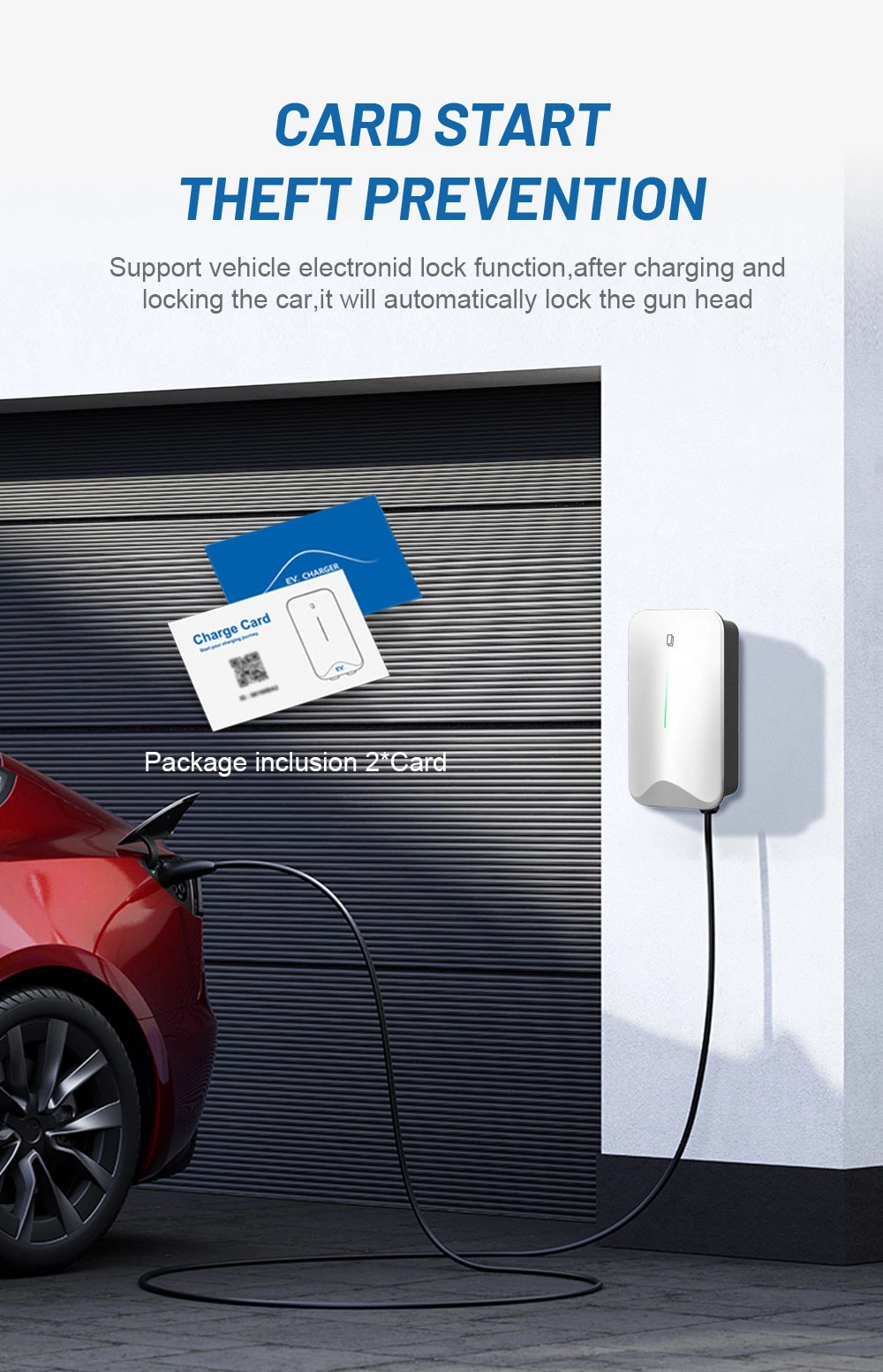
Smart functions matter when electricity use needs active management. Depending on the equipment, connected charging can support scheduled charging, remote monitoring, or charging control. ENERGY STAR notes that networked certified chargers can provide remote power monitoring and control and may support certain utility programs.
We evaluate them against the routine. If a driver plugs in at 10 p.m. and needs the car at 7 a.m., scheduled charging may matter more than numerous app features. Multiple EVs can make load management valuable.
Safety and installation also matter. Appropriate certification, correct circuit design, required professional installation, and suitable equipment matter more than decorative interfaces.
Where INFORE ENVIRO Fits
At INFORE ENVIRO, we approach residential charging as an infrastructure decision rather than simply a hardware purchase. It should match the vehicle, available power, parking environment, and daily routine.
A homeowner can first establish the vehicle’s AC limit, map the electrical panel to the parking space, and identify environmental requirements. Those answers narrow the choice.
We separate maximum charging power from useful charging power. A higher-rated station may offer flexibility, but its value depends on what the system can use.
AC and DC Have Different Jobs
The key distinction is where conversion occurs. With AC charging, the vehicle handles AC-to-DC conversion through its onboard charger. With DC charging, conversion occurs in the charging equipment before power reaches the battery.
That difference makes DC fast charging more appropriate when minimizing charging time is the priority. At home, the vehicle is usually stationary for a long period. AC equipment therefore fits many residential routines without requiring the infrastructure associated with high-power DC charging.
Faster is not automatically better. Higher charging power creates value only when the vehicle can use it and the schedule benefits from it.
What the Answer Means for Homeowners
This equipment is best understood as the controlled connection between a building’s AC electrical supply and an EV. It manages electricity delivery, while the vehicle’s onboard charger converts that electricity into the form required by the battery.
The best home EV charger is therefore not a universal model. It is the one that matches the vehicle’s AC capability, electrical service, parking conditions, and charging window. INFORE ENVIRO applies that practical logic when evaluating residential charging requirements.
When the car can sit idle for a while to charge, an AC EV charger is the preferred option. First, make sure the devices are compatible with your vehicle and house. Then, choose intelligent features that address a real operational requirement. This allows the charging setup to be configured around actual needs rather than specifications alone.
.webp)