Operating an electric vehicle wallbox efficiently requires mastering residential alternating current power flows. Transitioning from commercial fast chargers to home replenishment transforms daily vehicle refueling into an effortless background routine. Establishing proper operational habits ensures safe, rapid energy transfer while protecting household building wiring.
In AC charging, the wallbox supplies controlled AC power and communicates with the vehicle, while the vehicle’s onboard charger converts the AC power to DC for battery storage. During AC charging, the vehicle’s onboard charger converts grid AC power into DC power for storage in the battery, while the wallbox controls and protects the charging connection. Understanding this mechanical relationship helps homeowners manage daily charging sessions with complete operational confidence.
Conducting basic pre-session checks prevents electrical faults and protects delicate charging connectors. Ensuring the flexible charging cable remains free from kinks, moisture, or debris guarantees smooth mechanical insertion every single time. Simple preventative steps eliminate common user errors before high-amperage current begins flowing through home circuits.
Mastering residential energy replenishment combines physical handling procedures with smart software configuration. Following structured operational steps preserves internal vehicle battery chemistry while reducing monthly electricity expenditures significantly. Methodical session management transforms domestic charging into a seamless, cost-effective daily routine for EV owners.
Verifying Main Panel Capacity and Electrical Circuit Safeguards
Assessing single-phase 230V or three-phase 400V utility feeds represents the foundational step in residential energy management. Homes require stable voltage feeds capable of supplying continuous high-amperage draws without causing voltage drops across other domestic branch circuits. Verifying overall electrical service headroom prevents unexpected breaker trips during peak household usage windows.
Installing a dedicated 32A circuit breaker ensures clean, uninterrupted power delivery for 7kW or 22kW wallbox configurations. The selected charging equipment should provide the protection functions required for the installation, such as leakage, overcurrent, overvoltage, grounding, and surge protection. Dedicated branch wiring prevents electrical interference with sensitive home electronics and heavy household appliances.
Engineering robust residential hardware at INFORE ENVIRO involves integrating multi-stage circuit safeguards directly into equipment backplanes. High-grade IP55 socket housings and IP65 cable assemblies resist severe weather conditions during outdoor driveway operation. The charging system is designed with robust terminal engineering aimed at minimizing resistance and managing heat during extended overnight charging sessions.
Evaluating real-world domestic energy patterns reveals how concurrent appliance usage impacts main electrical panels. If central air conditioning units, induction cooktops, or water heaters operate simultaneously, available electrical headroom decreases rapidly. Conducting thorough panel capacity assessments guarantees that home charging systems operate within safe electrical parameters at all times.
Executing Physical Coupling and Digital Signal Handshakes
Inserting the charging coupler firmly into the vehicle inlet triggers an automated digital handshake protocol between systems. In Mode 3 charging, the control-pilot system manages communication between the EV and EVSE before power is supplied to the vehicle. The system incorporates a mechanical locking mechanism designed to secure the plug during operation and reduce the risk of accidental disconnection.
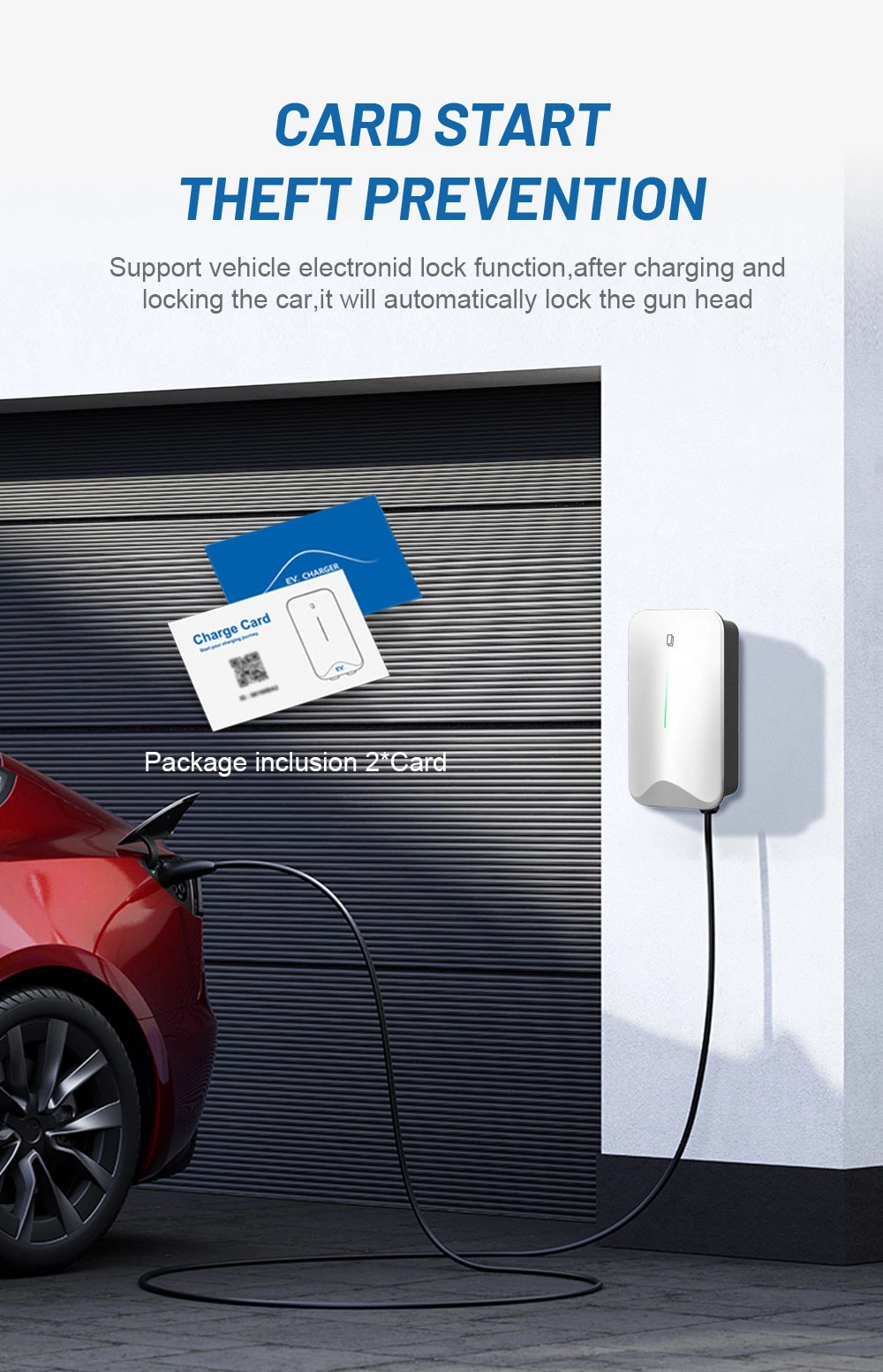
Selecting the best home EV charger requires choosing equipment that supports intuitive user authorization tailored to personal preferences. Homeowners can initiate charging sessions using RFID access cards, mobile smartphone applications, or automated Plug-and-Charge authentication protocols. User authorization prevents unauthorized power access when wallboxes are installed in open outdoor driveways or shared residential parking.
Observing multi-color LED status indicator rings provides immediate visual verification regarding active operational states. The system features clear visual status indicators that communicate charger readiness, active charging, and fault conditions to users. Clear visual diagnostics allow homeowners to confirm session status instantly without opening software applications.
Ending a session properly requires stopping power flow via smartphone app or RFID card before disconnecting the physical cable. Disengaging the station’s internal relays unlocks the vehicle inlet, allowing drivers to remove the coupler safely. Stowing the charging cable on wall-mounted holsters protects connector pins from dirt, moisture, and mechanical impact.
Optimizing Overnight Charging Schedules and Dynamic Load Balancing
Programming off-peak charging schedules allows homeowners to take advantage of discounted nighttime electricity tariffs offered by local utilities. Configuring delayed start timers through mobile management apps postpones high-amperage power draw until late evening hours. Strategic scheduling reduces monthly household energy bills substantially without compromising morning driving range.
Utilizing intelligent dynamic load balancing protects main service panels from unexpected current overloads during peak domestic activity. When household appliances draw heavy power, smart controllers dynamically adjust wallbox output to buffer total site consumption. Operating a residential EV charging station with dynamic load management can help keep charging demand within the site’s available electrical capacity and reduce the risk of unnecessary breaker trips.
Our engineering team at INFORE ENVIRO designs intelligent energy algorithms that optimize charging performance and site-level power management. Solar-matching modes dynamically adjust charging amperage to absorb excess photovoltaic generation in real time. Harnessing local solar energy maximizes clean self-consumption while decreasing dependence on external utility grids during daytime hours.
Reviewing historical session logs within mobile management software gives homeowners complete transparency over daily power usage. Tracking kilowatt-hour consumption helps drivers analyze charging efficiency and compute exact fueling costs across monthly billing cycles. Clear operational data empowers users to fine-tune charging schedules for maximum long-term economic savings.
Maintaining System Longevity and Automated Safety Protections
Active thermal management systems continuously monitor internal relay temperatures and terminal block connections throughout active charging session windows. If ambient temperatures rise excessively or contact resistance increases, internal firmware scales back charging amperage automatically. Thermal regulation protects sensitive internal components, extending the operational lifespan of home charging hardware.
Integrated residual current devices combining Type A AC detection with 6mA DC leakage protection safeguard occupants against dangerous electrical shock hazards. Flame-retardant UL94-V0 enclosure materials ensure physical station housings withstand elevated internal temperatures without structural degradation. Heavy-duty IK10 impact resistance shields exterior hardware against accidental collisions in tight garage environments.
Manufacturing high-reliability equipment at INFORE ENVIRO requires passing rigorous global safety compliance audits, including CE and TUV certifications. Equipping residential units with comprehensive overvoltage, undervoltage, lightning, and short-circuit protections ensures dependable operation across different installation environments. These safeguards are also important for equipment suppliers and project integrators seeking consistent performance, simplified risk management, and long-term reliability across residential charging deployments.
Choosing the best home EV charger equips homeowners with a safe, intelligent, and highly efficient energy management solution. Following structured connection protocols, leveraging off-peak timer scheduling, and maintaining electrical circuit integrity ensures consistent daily vehicle replenishment. For manufacturers, distributors, and charging project providers, combining intelligent control with robust electrical protection helps deliver dependable charging infrastructure that supports long-term field performance and customer satisfaction.
.webp)