Evaluating level 2 vs dc fast charging requires contrasting two distinct energy delivery methodologies across commercial property applications. Alternating current systems supply energy gradually through vehicle onboard converters, whereas direct current infrastructure feeds power directly into traction battery packs.
Comparing these technologies highlights fundamental differences in charging speed, electrical grid impact, equipment installation expenses, and battery health preservation. Level 2 AC units restore battery capacity over multi-hour sessions, making them ideal for stationary long-duration parking.
Conversely, direct current fast chargers supply massive energy throughput within minutes, enabling rapid vehicle turnarounds along high-traffic commercial transit corridors. Understanding these opposing operational profiles allows facility managers to make informed capital investment decisions.
A direct head-to-head comparison clarifies how power capacity, site infrastructure limits, and driver dwell times interact. Evaluating these key trade-offs ensures site hosts select the optimal charging hardware for their operational workflows.
Dwell-Time Alignment: Extended Staging vs. Rapid Turnover
Matching charging speed to vehicle dwell time reveals the most significant operational contrast between AC and DC charging systems. Commercial properties operate under distinct parking duration windows that dictate whether high-power or low-power equipment represents the more efficient choice.
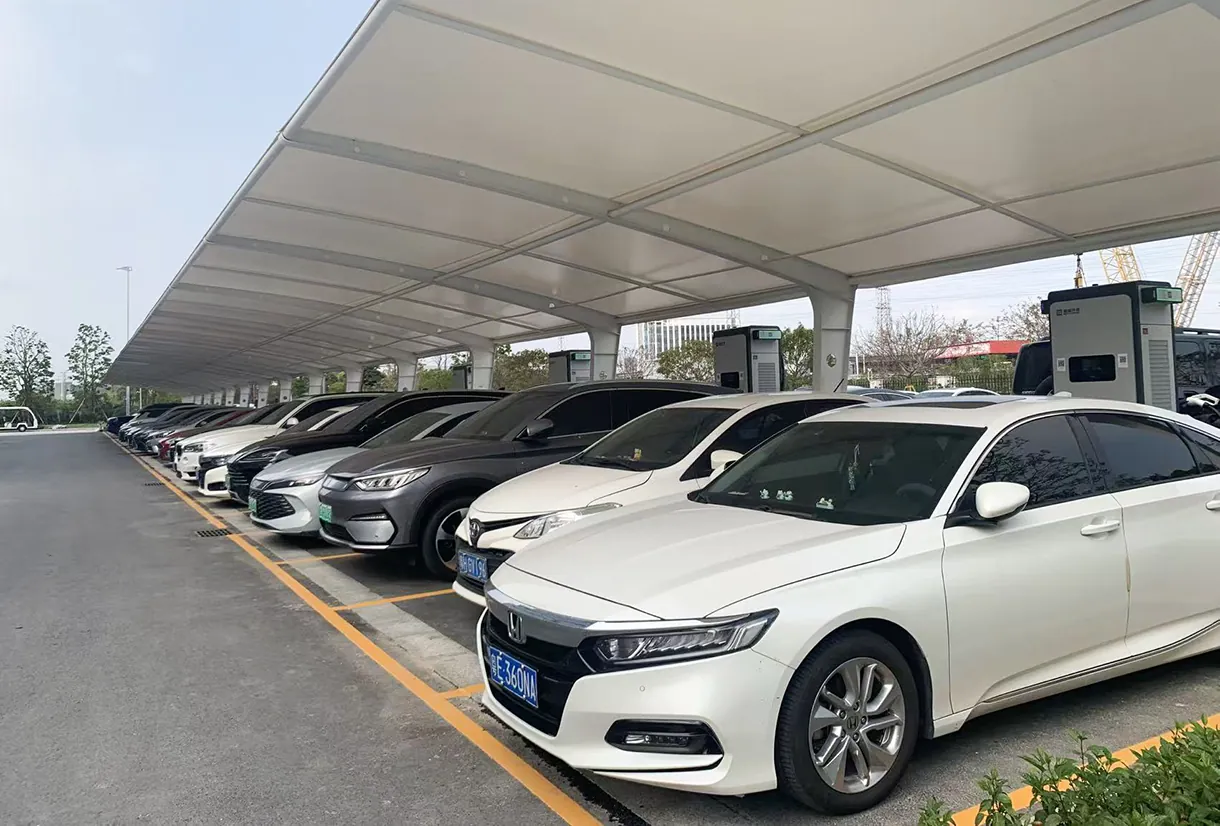
Deploying an EV Level 2 charger suits locations where vehicles naturally remain parked for six to twelve consecutive hours. Workplace garages, overnight fleet staging lanes, and multi-family residential parking facilities can benefit from AC charging when vehicles remain parked long enough to receive the required energy.
In contrast, direct current fast charging caters specifically to short-stay locations requiring fifteen to forty-five minute vehicle turnarounds. Highway service plazas, logistics cross-docks, and active municipal fleets cannot afford multi-hour dwell times during busy operating shifts.
Using high-power fast chargers for vehicles parked overnight wastes financial resources and unnecessarily ties up high-throughput charging stalls. Meanwhile, installing slow AC stations at high-turnover retail sites creates severe vehicle queues and frustrates drivers seeking quick range replenishment.
At INFORE ENVIRO, our engineering teams evaluate real-world duty cycles to help fleet managers select hardware matching actual dwell times. Aligning power output with operational schedules helps avoid costly over-specification while supporting continuous vehicle readiness.
Capital Outlay and Grid Impact: Low-CapEx AC vs. High-Power DC
Financial requirements diverge dramatically when comparing equipment procurement, physical installation, and utility connection expenses between these two charging tiers. Initial capital expenditure for alternating current hardware remains significantly lower than high-voltage direct current equipment.
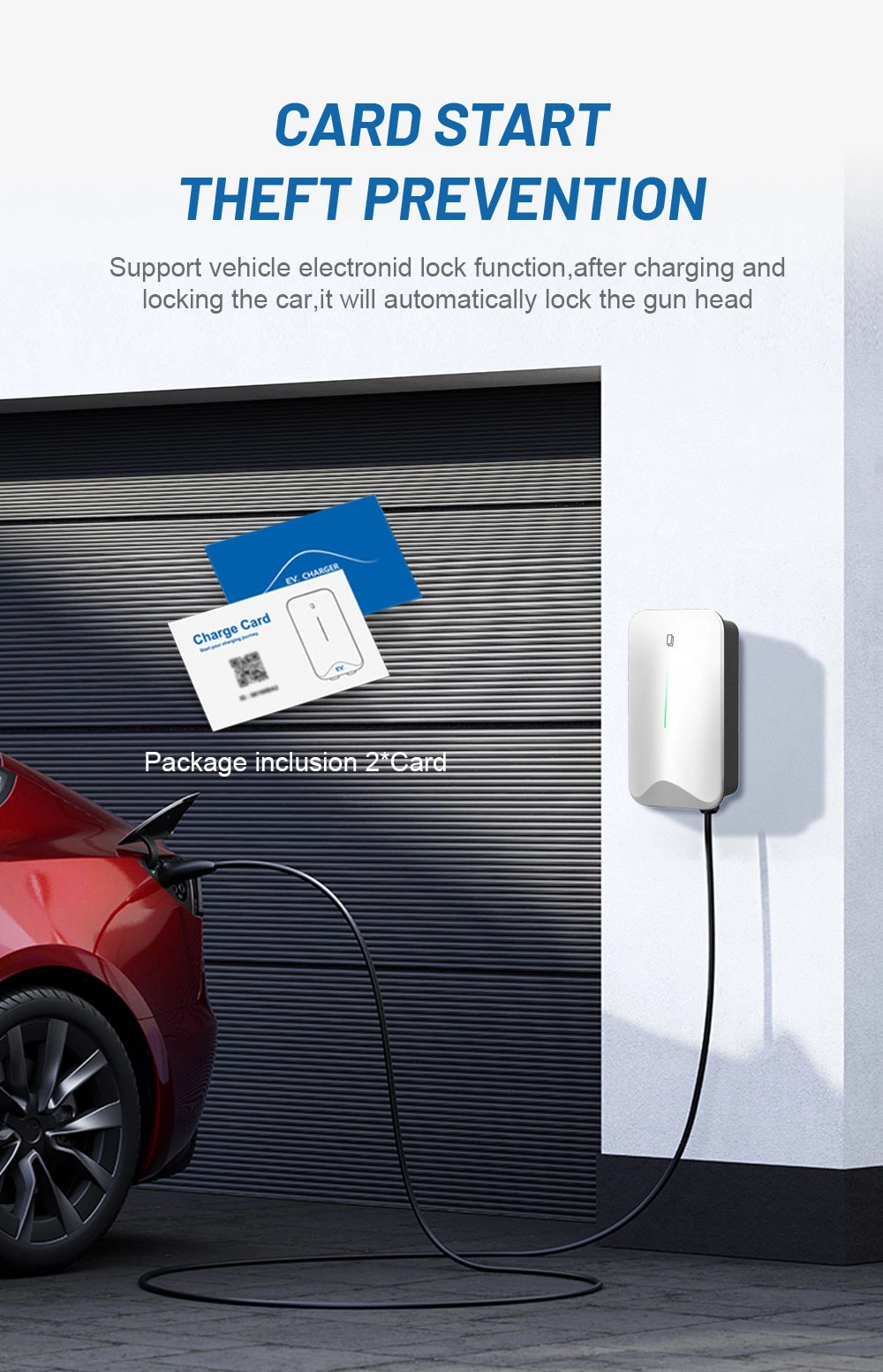
Installing a level 2 EV car charger involves straightforward electrical work, drawing power from existing 230V single-phase or 400V three-phase building subpanels. Facility owners can deploy multiple AC ports across parking stalls without triggering major utility grid overhauls or expensive transformer replacements.
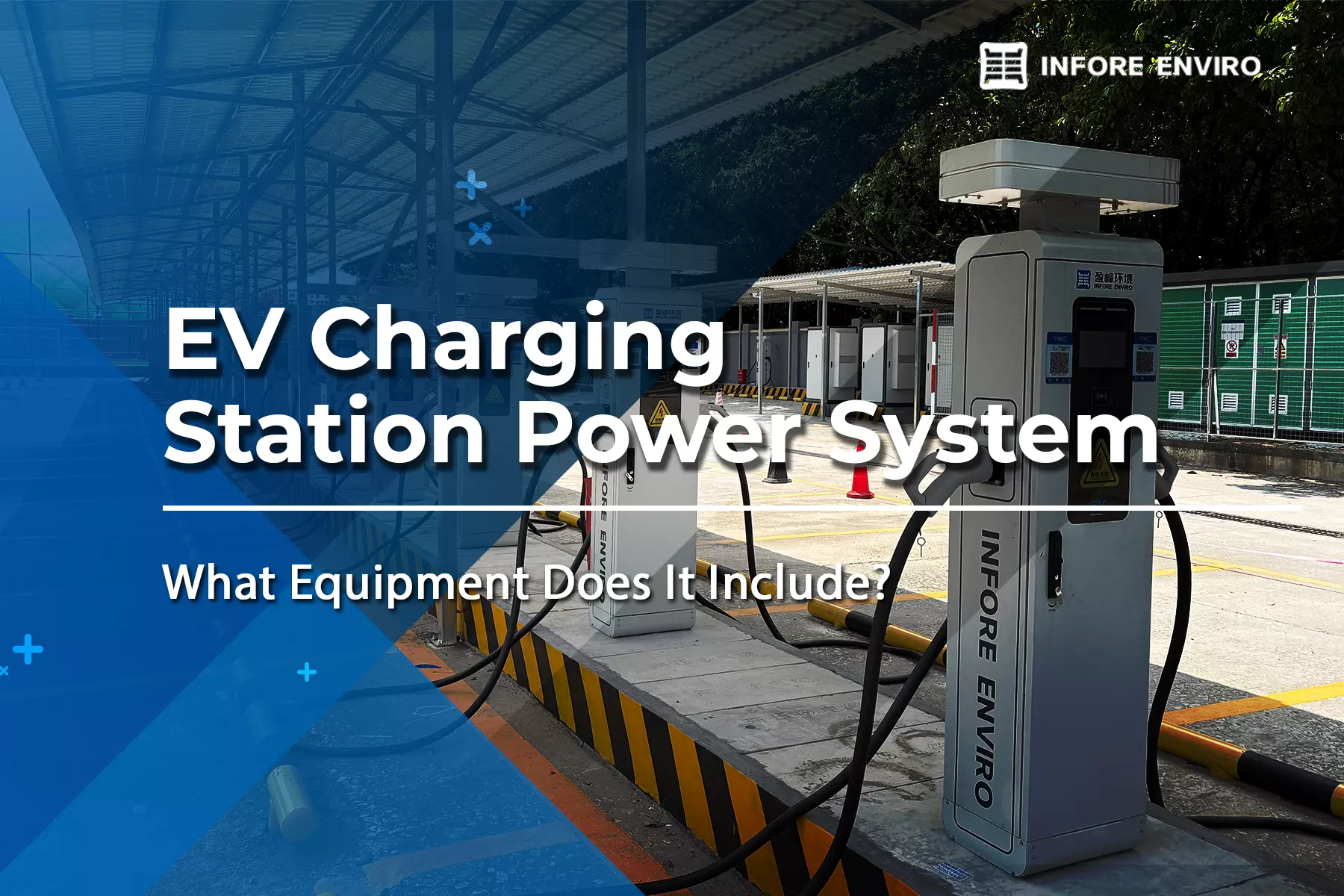
On the other hand, direct current fast chargers require massive electrical service headroom ranging from 50kW to over 350kW per dual-port cabinet. High-power DC installations necessitate dedicated step-down transformers, extensive civil engineering works, and lengthy utility interconnection approval queues.
Ongoing utility operating expenses also demonstrate a sharp operational contrast between the two systems. Drawing hundreds of kilowatts simultaneously during peak tariff hours triggers steep utility demand charges, while Level 2 AC charging distributes electrical draw smoothly across multi-hour windows.
Property hosts managing tight electrical capacity can scale AC networks affordably using dynamic load management software. Distributing available current across active AC chargers prevents breaker trips and eliminates the high recurring utility fees associated with fast DC spikes.
Electrochemical Impact: Gentle AC Replenishment vs. Thermal DC Stress
Battery health preservation represents another critical area of comparison when evaluating long-term vehicle asset performance. Traction batteries experience different charging conditions depending on the power level, charging rate, battery state, and thermal management strategy used during AC or DC charging.
A level 2 EV car charger provides gentle alternating current that vehicle onboard converters regulate smoothly into direct current storage. Low-amperage AC charging generates less internal heat, which can be beneficial for battery health over the long term.
Direct current fast charging forces high-amperage current directly into battery cells, elevating internal pack temperatures rapidly during short charging windows. While modern vehicle thermal management systems actively cool cells during DC sessions, frequent fast charging induces greater thermal stress than routine AC replenishment.
Fleet operators relying primarily on Level 2 AC charging for regular overnight power needs protect long-term vehicle resale values and maintain stable battery state-of-health metrics across their entire operating transport fleet.
Hardware built by INFORE ENVIRO incorporates advanced thermal sensing and automatic protective relays across applicable models. Safeguarding site electrical infrastructure and vehicle battery chemistry helps support consistent, safe energy transfer across different charging speeds.
Strategic Deployment: Balancing Level 2 AC and DC Fast Systems
Strategic infrastructure planning rarely requires choosing between level 2 vs dc fast charging as a mutually exclusive enterprise decision. Forward-thinking commercial property directors achieve maximum efficiency by deploying hybrid charging configurations tailored to diverse operational needs.
Installing an EV Level 2 charger array across primary employee bays or fleet staging lanes handles routine overnight charging economically. Low-cost AC chargers provide dependable baseline power for stationary vehicles without imposing severe peak demands on facility transformers.
Positioning a small cluster of high-power DC fast chargers near property entrances delivers rapid top-ups for high-priority delivery vehicles or visiting commercial guests. Combining both technologies balances capital investment against operational flexibility across the entire facility footprint.
Scalable software platforms utilizing open communication protocols like OCPP allow managers to monitor mixed AC and DC assets from a single interface. Centralized control optimizes power distribution, tracks energy consumption, and simplifies billing across diverse hardware assets.
Navigating the trade-offs between AC and DC charging allows commercial enterprises to build resilient, future-proof energy infrastructure. At INFORE ENVIRO, we remain committed to delivering scalable, high-efficiency charging solutions that empower business growth across the evolving electric mobility landscape.
.webp)