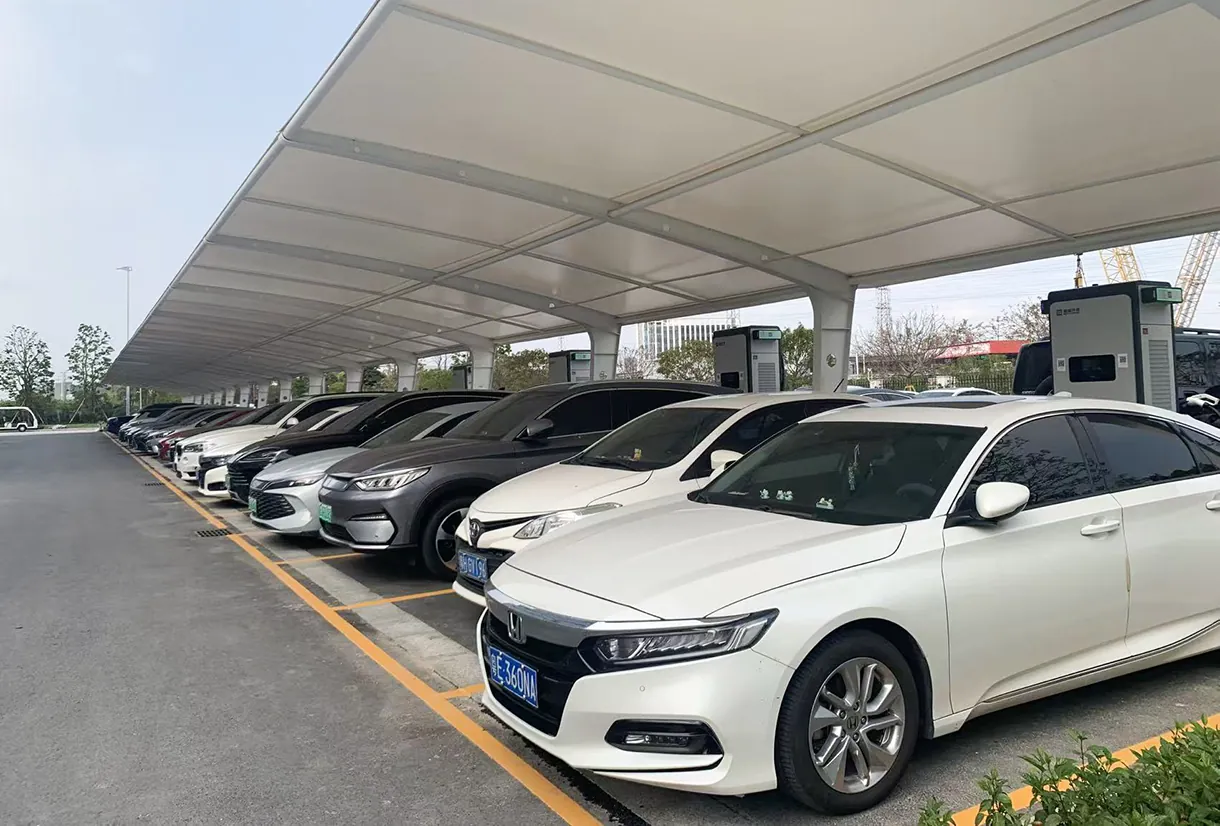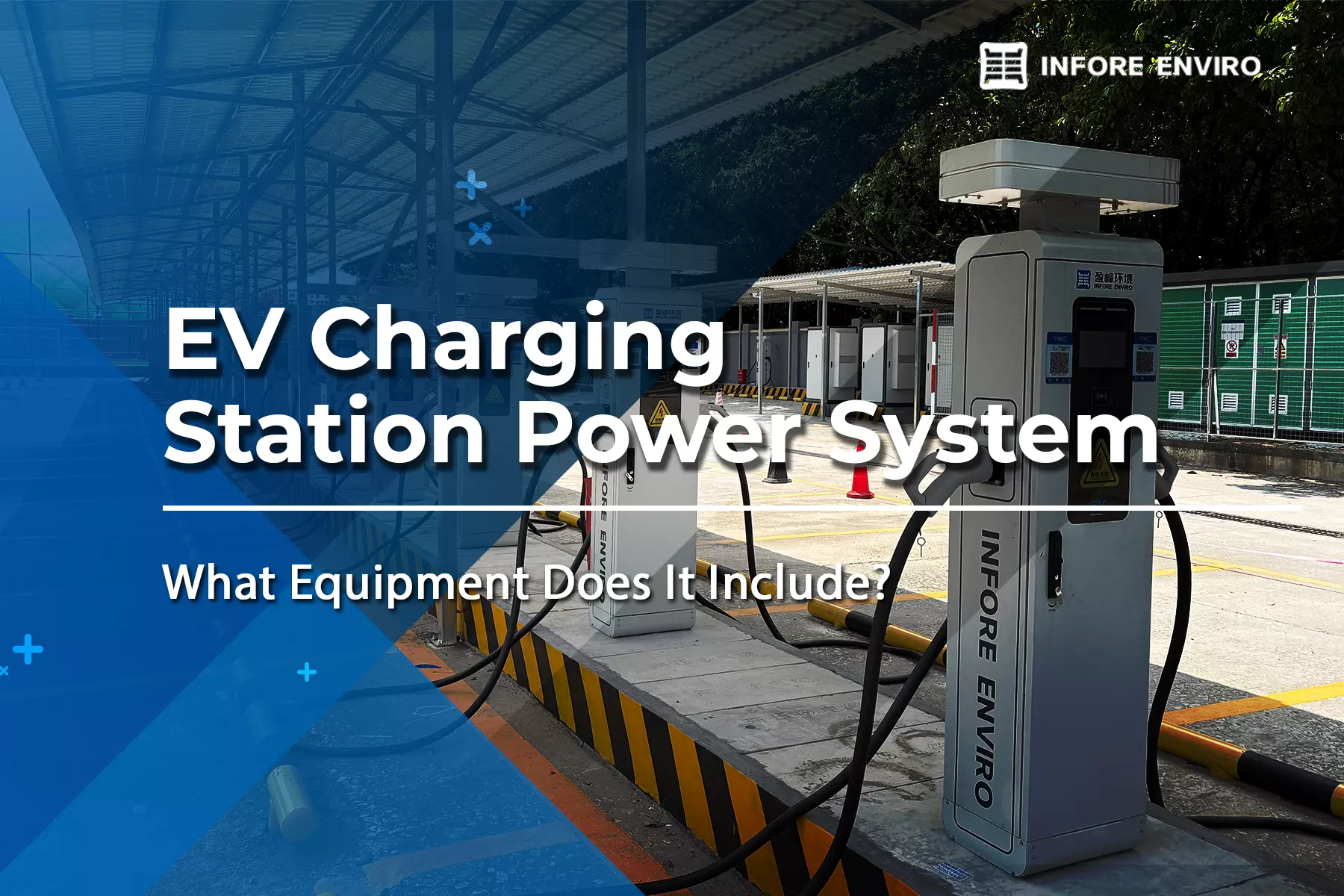
For many EV drivers, public charging keeps vehicles running when home charging is unavailable. Still, fully depending on public chargers means extra trips to fit daily schedules. A Level 2 EV charger solves this by enabling regular charging right where vehicles are parked.
Private charging benefits not just homeowners, but also fleet operators, property developers, parking projects, car dealerships, and installers. It is not meant to replace public charging, but to deploy each charging solution for its best‑fit scenarios.
How Does an EV Level 2 Charger Reduce Dependence on Public Charging?
An EV Level 2 charger reduces public charging dependence by moving routine battery replenishment to a private parking location.
Overnight home charging helps drivers reduce extra trips for charging. The vehicle can be connected after the daily journey and remain parked while energy is added.
Why Do EV Drivers Rely on Public Charging for Routine Needs?
EV drivers often use public charging because they do not have convenient private charging access or because their daily routine requires charging away from home.
Public stations are useful for apartment residents without dedicated charging spaces, drivers traveling long distances, and vehicles that need energy during the day. However, using public infrastructure for every routine charge can introduce waiting, route changes, or uncertainty about charger availability.
According to the International Energy Agency estimates that more than 43 million private light-duty EV charging points were in operation globally in 2025. The IEA notes that many drivers with access to home charging favour it for its convenience and affordability.
How Does Overnight Home Charging Change the Daily Charging Routine?
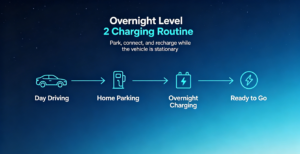
Overnight charging works because the vehicle is already stationary for several hours, giving a Level 2 charger time to replenish energy without requiring the driver to wait.
Data released by the U.S. Department of Energy states that most EV drivers with home charging access charge overnight. Level 2 is a common residential charging solution that can generally support overnight charging, depending on the vehicle and equipment.
This simple change can reduce unnecessary public charging stops. Drivers can use private charging for predictable energy needs and public stations when their travel patterns require them.
Why Is a Home EV Charger Level 2 Practical for Everyday Driving?
A home EV charger Level 2 is practical because it matches charging with the time a vehicle is already parked, particularly overnight.
Level 2 is often a useful middle ground between basic household charging and high-power public charging. It can provide substantially more charging capability than Level 1 while fitting naturally into extended parking periods.
How Does Level 2 Compare With Level 1 Charging?
Level 2 charging uses a higher-voltage electrical supply than Level 1 and is designed to deliver more power to the vehicle.
The U.S. Department of Energy describes residential Level 2 charging as a 240V option. By comparison, Level 1 equipment generally uses a standard household outlet and provides lower charging power.
For drivers with regular daily mileage, the difference matters because more energy can be added during the same overnight parking period. The exact charging result still depends on the vehicle’s battery, onboard charger, and electrical installation.
How Can Home Charging Save Time and Improve Charging Predictability?
Home charging reduces the need to make a separate charging stop, which makes the overall driving routine easier to plan.
As reported by the U.S. Department of Transportation estimates that Level 2 charging can take about four to ten hours to charge a battery-electric vehicle from empty to 80%, depending on the vehicle and charging setup.
That range illustrates why Level 2 can fit overnight parking. Rather than waiting for a charging session to finish before continuing a trip, the driver can leave the vehicle connected and return when it is needed.
| Daily charging approach | Main characteristic |
| Level 1 at home | Lower-power charging |
| Level 2 at home | Routine overnight charging |
| Public AC charging | Charging away from home |
| Public DC charging | Longer trips or time-sensitive charging |
What Should You Consider When Choosing an EV Level 2 Charger?
The right EV Level 2 charger should be selected according to electrical supply, vehicle requirements, installation conditions, and charging-management needs.
Choosing a charger only by its maximum power can create problems later. The equipment must also fit the site’s electrical capacity, parking layout, connector requirements, and operating model.
Other specifications should be checked before purchase:
| Selection factor | Why it matters |
| Charging power | Matches the electrical system and vehicle |
| Connector type | Ensures charging compatibility |
| Connectivity | Supports control and communication |
| Load management | Helps manage limited electrical capacity |
| Protection rating | Fits the installation environment |
| Mounting method | Suits wall or pole installation |
| Cable length | Supports practical parking access |
| Access method | Fits the intended user workflow |
How Should You Choose Between 7kW, 11kW, and 22kW?
The appropriate power level depends on whether the installation uses single-phase or three-phase power and what the vehicle and site can support.
The Vela Series supports 7kW single- phase charging and 11kW or 22kW three-phase charging. Buyers should confirm electrical capacity and vehicle compatibility before specifying equipment.
This distinction deserves special attention from installers and property projects. On-site electrical conditions are one key factor shaping which charger setups are feasible.
Why Do Connectivity, Load Management, and Safety Features Matter?
Connectivity and protection features affect how a charger can be operated and integrated into different projects.
For example, Wi-Fi, Bluetooth, 4G, or Ethernet can support different communication requirements, while dynamic load balancing can be useful where several charging loads share limited electrical capacity.
Safety specifications also deserve careful review. Buyers should check electrical protection functions, ingress protection, mechanical protection, mounting options, and cable requirements rather than treating these details as secondary specifications.
How Does the INFORE ENVIRO Vela Series Support Private Level 2 Charging?
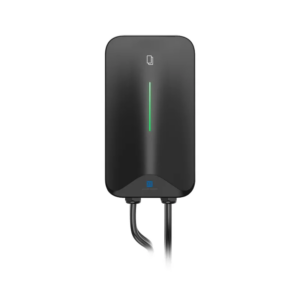
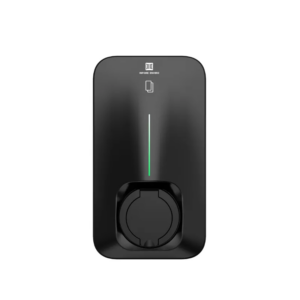
The 7 KW/11 KW/22 KW Cable & Socket Vela Series Home Wallbox from INFORE ENVIRO delivers flexible Level 2 charging options tailored for private home use.
By enabling reliable overnight home charging, this wall mounted charger helps EV owners cut their reliance on busy public charging stations for daily power-ups.
INFORE ENVIRO is an EV charging equipment and solutions provider
covering residential, fleet, destination, CPO, and other charging scenarios. It
also has R&D, manufacturing, and OEM/ODM capabilities.
Which Vela Series Specifications and Features Support Different Charging Needs?
The Vela Series supports 7kW single-phase charging and 11kW or 22kW three-phase charging. The 7kW version supports up to 32A, while the three-phase configurations support 16A at 11kW and 32A at 22kW.
The product uses an IEC 62196-2 Type 2 connector and offers a 5m cable, with 7m available as an option.
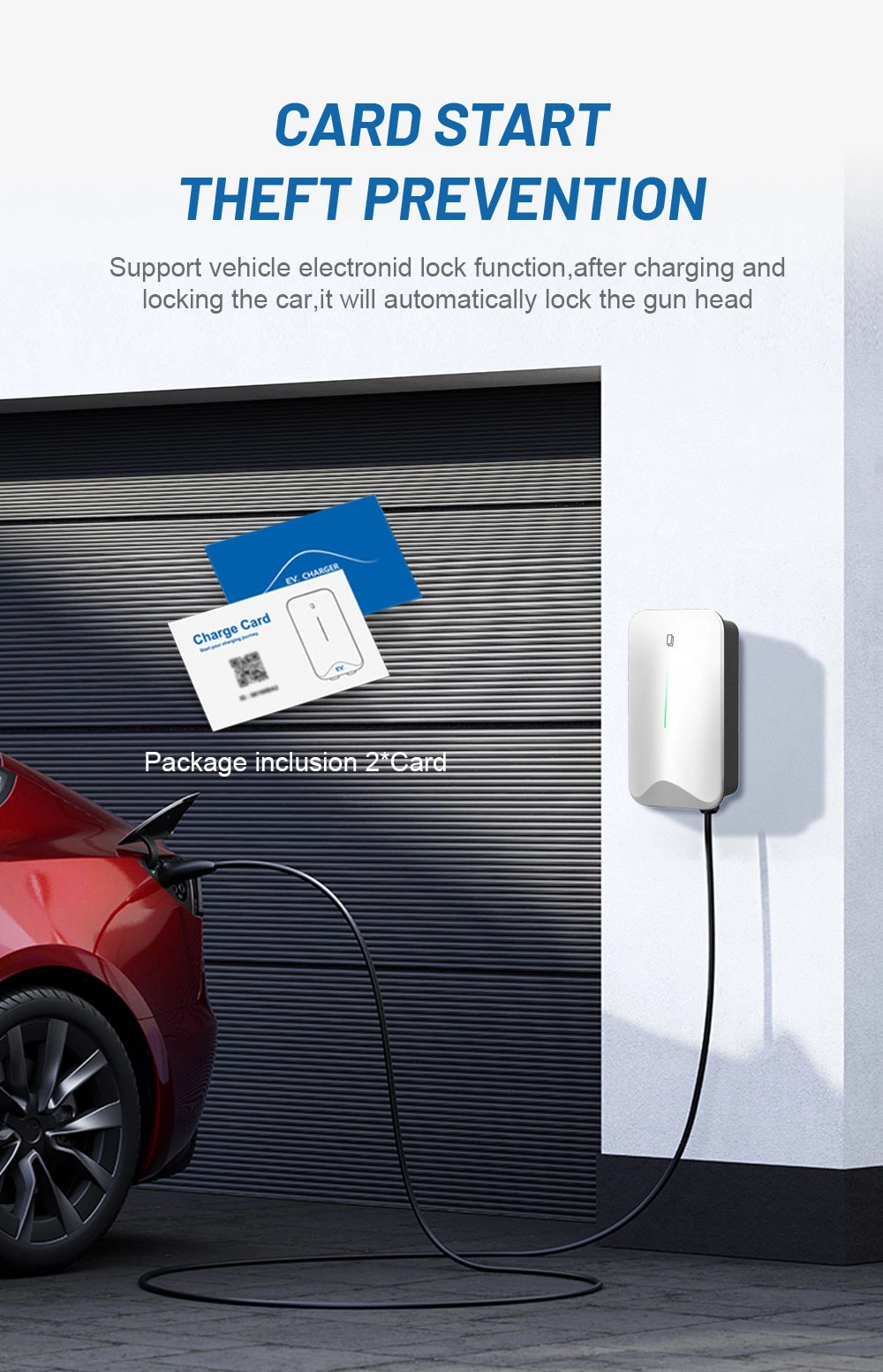
The charging station supports Plug & Charge, RFID card, and App startup methods. Bluetooth and Wi-Fi connectivity are available, while 4G and Ethernet are optional. Dynamic load balancing is also listed as an option.
For installation, the Vela Series supports wall and pole mounting. The official specification lists IP55 protection for the socket version and IP65 for the cable version, together with IK10 mechanical protection.
It also lists protective functions covering overcurrent, over/under-voltage, leakage, surge, grounding, short circuit, lightning, and CP faults.
These options allow project stakeholders to evaluate the charger against actual site requirements rather than assuming that one Level 2 configuration will fit every application.
Conclusion: Complementary Roles of Private and Public EV Charging
Level 2 home charging reduces public charging dependence by turning routine battery replenishment into part of the normal parking routine.
For drivers, that can mean fewer public charging stops and more predictable daily charging. For fleets and property projects, it can mean placing charging where vehicles already spend time.
Public charging still matters for long trips, drivers without private charging access, and situations where additional energy is needed away from home.
The practical approach is therefore not to choose between private and public infrastructure, but to assign each one to the situations it serves best.
A properly specified EV Level 2 charger can handle predictable daily charging while public AC and DC stations remain available when drivers need them. INFORE ENVIRO’s Vela Series offers 7kW, 11kW, and 22kW configurations, along with connectivity, access, load-management, and protection options that can be evaluated according to the requirements of each installation.
.webp)