Choosing EV charging equipment becomes easier once “Level 2” is understood as an electrical category rather than a marketing label. A Level 2 station uses AC power at a higher voltage than Level 1 equipment, making it suitable for homes, workplaces, and other locations where vehicles remain parked for hours.
For a buyer, however, the more useful question is not simply what Level 2 means. It is whether the station’s power, electrical requirements, and operating features fit the vehicle and the site.
What Makes a Charging Station Level 2?
In the U.S. market, Level 2 EV charging equipment commonly operates from 208- or 240-volt AC service. The U.S. Department of Energy’s Alternative Fuels Data Center states that Level 2 equipment can range from 2.9 to 19.2 kW, depending on the equipment and electrical configuration. Residential units commonly operate at lower power levels.
Unlike DC fast charging equipment, Level 2 supplies AC to the vehicle, where the onboard charger converts it for battery storage. That makes Level 2 a practical middle ground: substantially faster than Level 1 while avoiding the infrastructure requirements associated with high-power DC charging.
The distinction matters because charging speed depends on more than the station rating. The vehicle’s onboard charging capability and the available electrical circuit both limit what the battery can actually receive.
Where Level 2 Fits Into a Real Charging Routine
Consider an employee who arrives at an office at 8 a.m. and leaves at 5 p.m. A Level 2 installation can use that long parking period productively. The same principle applies to a homeowner who parks overnight.
The Department of Energy reports that Level 2 can generally charge a fully depleted EV overnight, while its consumer guidance describes typical Level 2 charging as adding roughly 10 to 30 miles of range per hour, depending on conditions.
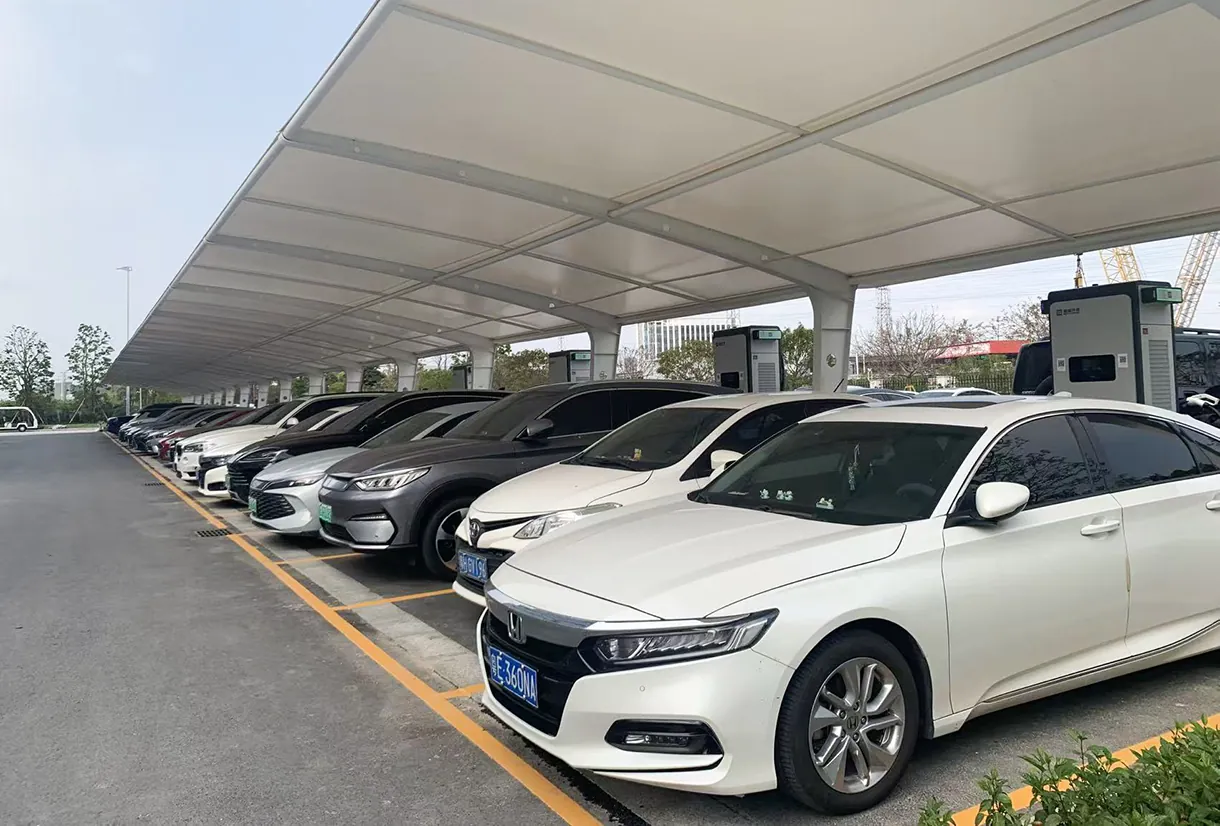
That makes an EV Level 2 charger particularly relevant where vehicles have predictable dwell times. A fleet depot, apartment garage, workplace, hotel, or private residence can all use the same basic charging principle, even though their operating requirements differ.
Start With the Vehicle, Not the Charger
A common purchasing mistake is choosing the highest available output first. The better approach starts with the vehicle.
Check the EV manufacturer’s stated maximum AC charging capability. If a vehicle cannot accept the station’s maximum output, installing a higher-rated unit will not automatically make that vehicle charge faster.
Connector compatibility also needs attention. In the United States, Level 2 equipment may use J1772 or NACS connections, so the vehicle and charging equipment must be matched correctly.
Imagine two vehicles parked overnight. One can accept the available Level 2 output comfortably; another has a lower onboard charging limit. Both can use Level 2, but the value of a higher-powered station differs between them.
The Electrical Panel Sets the Boundary
A Level 2 project is also an electrical installation decision. The Department of Energy notes that residential Level 2 equipment typically uses 240-volt service and may require a dedicated circuit. An electrician can determine whether the existing service has sufficient capacity.
That check becomes more important in older homes or sites adding several charging points. A panel may already serve major electrical loads, leaving limited capacity for EV charging.
We therefore treat the charger and electrical infrastructure as one system. Circuit capacity, wiring, protection, installation location, and applicable local requirements should be reviewed before equipment is finalized.
Smart Features Matter Only When They Solve a Problem
Not every charging site needs the same level of connectivity. A single homeowner may mainly want dependable scheduled charging. A property manager or fleet operator may need remote monitoring, usage data, or centralized control.
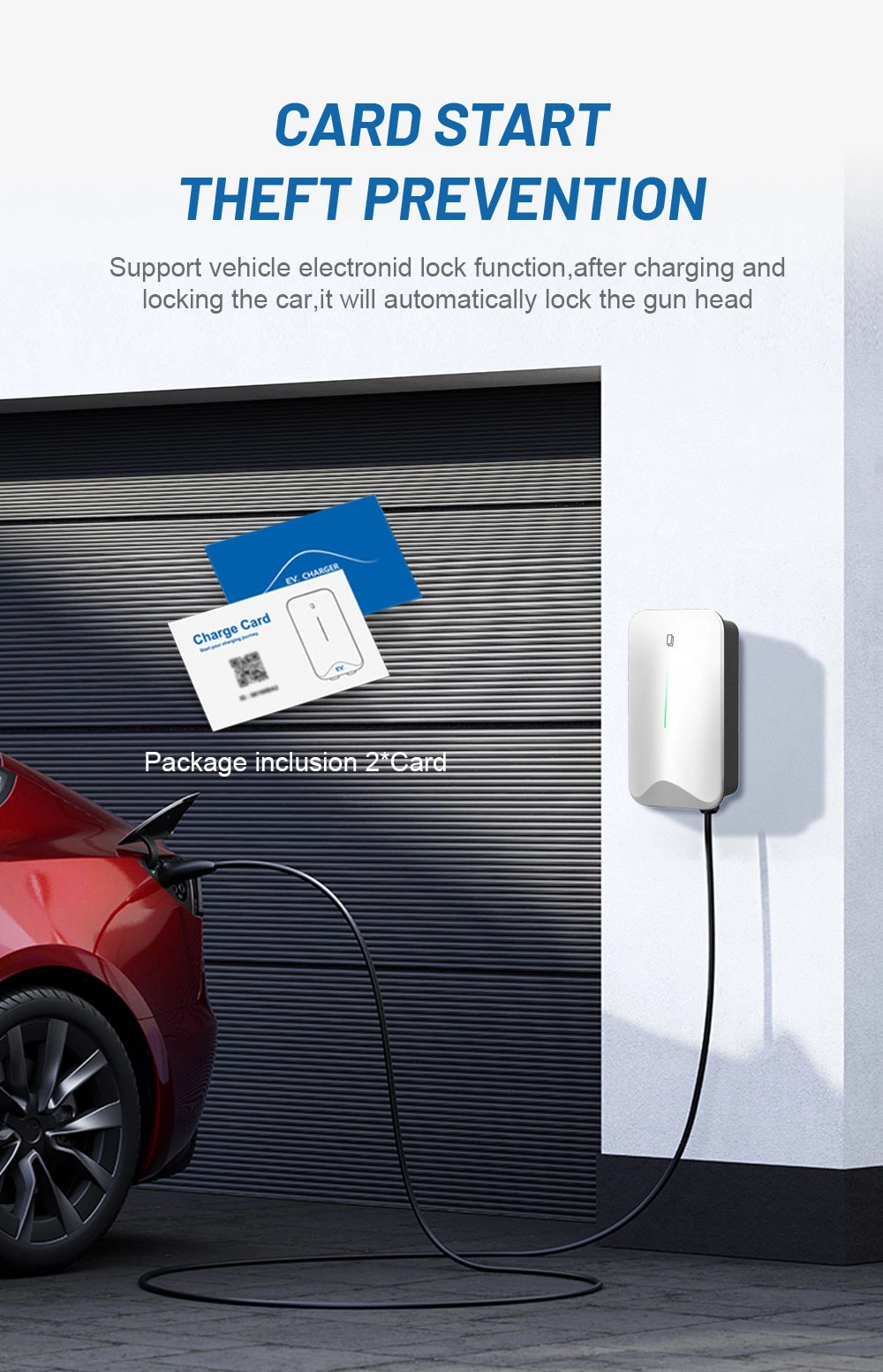
Smart Level 2 products can include charging timers, communications, displays, and other connected functions. The Department of Energy specifically identifies these features as options available on more advanced Level 2 equipment.
The right question is therefore operational: what does the site need the charger to manage? Adding connectivity without a clear use case can increase complexity without improving the charging experience.
A Practical Selection Approach From INFORE ENVIRO
At INFORE ENVIRO, we look at the charging requirement from the parking space backward. First comes the vehicle. Next comes the available electrical supply. Then we consider how long vehicles normally remain connected and whether the site needs monitoring or managed charging.
Our home charging range includes models for private garages, apartment complexes, and residential communities, with published power options that vary by model and market
For example, a residence with one EV and overnight parking may not need the same configuration as a multifamily property serving several drivers. The physical installation can be similar, but the operational requirement is different.
Why Maximum Power Is Not the Same as Best Fit
The best EV Level 2 charger is not necessarily the model with the largest number on its specification sheet. A higher output can be useful when the vehicle supports it and the electrical system can provide it, but unused capacity does not create additional charging value.
A better evaluation compares four elements: vehicle AC capability, site electrical capacity, expected parking duration, and required control features. Those factors reveal whether the selected station will actually improve the charging routine.
That approach also prevents a common mismatch: purchasing equipment capable of more power than the vehicle or building can use.
The Practical Answer for Home and Workplace Charging
A Level 2 EV charging station is an AC charging system commonly supplied by 208- or 240-volt service in the United States and is widely suited to locations where EVs remain parked for extended periods, and is widely suited to locations where EVs stay parked for extended periods.
For most buyers, the selection decision should begin with compatibility and site capacity rather than the highest advertised power. INFORE ENVIRO recommends treating charging equipment as part of the site’s electrical and operational system.
That is the real meaning of “best”: not maximum output in isolation, but a station that can deliver the required energy within the available parking window, work within the site’s electrical limits, and provide only the smart functions the operator genuinely needs.
.webp)