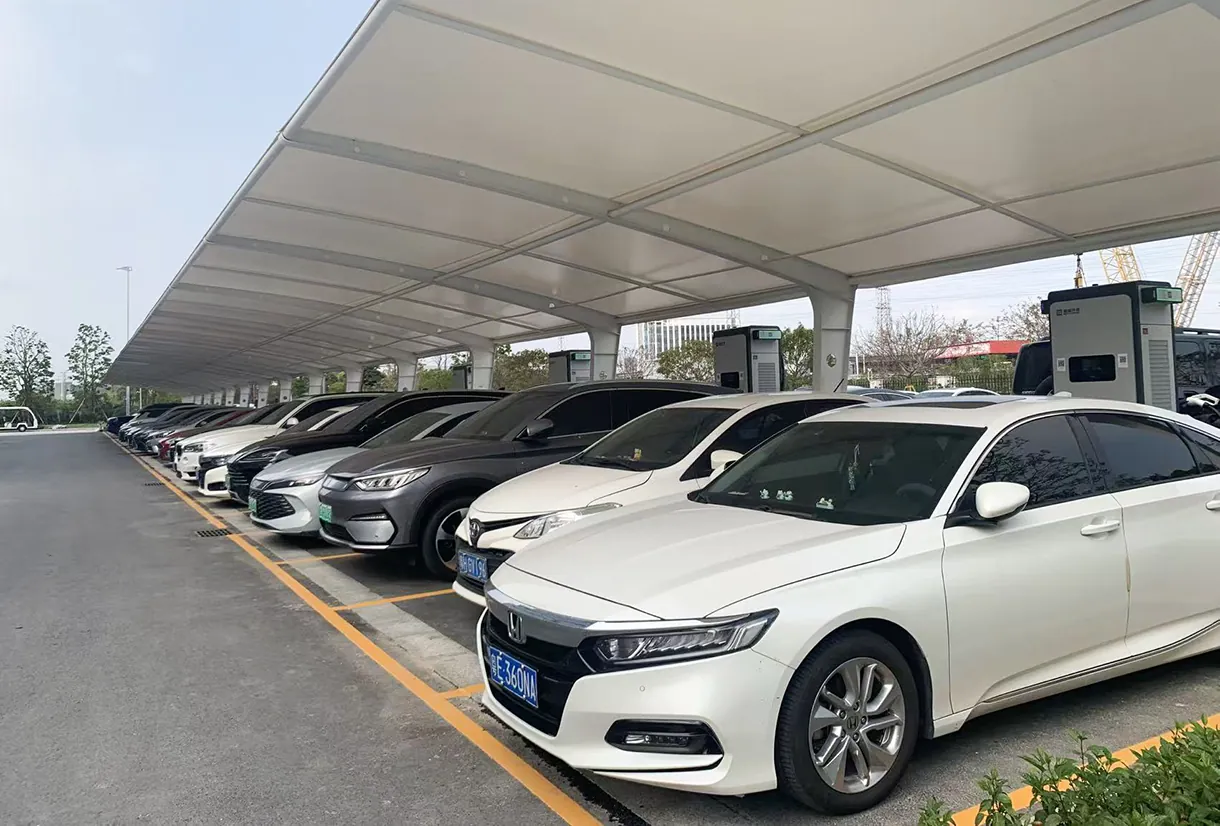
As electric vehicles become more common, charging speed has become an important consideration for many users. Traditional home charging usually relies on AC chargers, which are suitable for overnight charging because vehicles can remain connected for longer periods. However, we have found that some users with higher daily mileage or multiple electric vehicles are looking for faster charging options.
A residential DC fast charger can provide direct current power to an EV battery, allowing energy to be delivered more quickly compared with standard AC charging equipment. In our experience, whether a home or residential project is suitable for DC charging depends on several factors, including available electrical capacity, installation space, charging frequency, and local power regulations.
A Level 3 DC fast charger is commonly associated with high-power charging applications such as public charging stations and commercial facilities. For residential environments, the actual power requirement may be lower because vehicles are often parked for several hours. Therefore, we recommend selecting suitable charging equipment based on real usage conditions instead of simply choosing the highest charging speed.
Factors to Consider Before Installing a Residential DC Charger
Installing DC charging equipment in a residential environment requires careful planning. From our experience, the first factor users should consider is the building’s electrical system. Higher-power chargers require sufficient power supply capacity, and the existing electrical infrastructure needs to be evaluated before installation.
Space availability is another important consideration. Residential parking areas may have limited installation space, so compact charging equipment can provide more flexible options for different projects. Wall-mounted or small floor-standing designs can support installation in various environments.
How Different DC Charger Power Levels Match Charging Needs
DC charging equipment is available in different power ranges to support different applications. We provide charging solutions with different power configurations because charging requirements can vary depending on location, vehicle usage, and electrical conditions.
A 50kw DC fast charger is often considered for locations where vehicles need quicker charging but the site does not require a large-scale charging station. It can be suitable for apartment parking areas, workplaces, small fleets, and shared charging facilities where vehicles need to recharge within shorter periods.
However, power selection should always match the actual environment. A higher-power charger may not be suitable if the building’s electrical system cannot support the required load. Through proper planning, users can balance charging speed, installation requirements, and long-term operation costs.
For residential and semi-public projects, compact DC chargers with power options such as 20kW, 30kW, and 40kW can provide practical solutions. We design these products to support different charging scenarios while maintaining easier installation requirements.
Smart Management and Safety Features in DC Charging Systems
Modern EV charging equipment includes more than power delivery functions. Based on our understanding of charging applications, communication and management features have become important parts of charging infrastructure, especially for properties and businesses managing multiple charging points.
Our charging solutions support smart management functions that can collect charging data, monitor equipment status, and support remote operation. Through communication protocols such as OCPP, operators can connect charging equipment with different management systems and improve daily operation visibility.
Safety protection is also an important part of our product design. DC charging systems usually include functions such as over-voltage protection, overload protection, short-circuit protection, leakage protection, lightning protection, and emergency shutdown. These features help charging equipment operate under different electrical conditions.
Selecting a Suitable DC Charging Solution Provider
When selecting charging equipment, businesses and project developers usually consider supplier experience, manufacturing capability, product certification, and technical support. We believe these factors are important for building charging systems that match different application requirements.
At INFORE ENVIRO, we focus on EV charging product development and manufacturing for residential, commercial, and public charging applications. We provide AC and DC charging solutions with different power configurations to support various project requirements.
Our MiniBox Series DC Compact Charger includes 20kW, 30kW, and 40kW power options. The product supports floor-standing and wall-mounted installation methods, making it suitable for projects with different space conditions. It supports AC400V±10% input voltage and optional AC208V-240V configurations depending on regional requirements.
Our charger also supports communication methods including 4G, WiFi, Bluetooth, and Ethernet. With APP functions, RFID card access, scheduled charging, smart charging, and DLB dynamic load balancing, we provide flexible management options for different users.
With more than 10 years of experience in the EV charging industry, we operate a 12,000-square-meter production facility with over 100 technical professionals and more than 20 testing personnel. We have developed more than 30 patents related to charging technology, and our products meet different market requirements, including GB/T, 3C, TYPE2, CCS2, CE, CB, and RoHS standards.
Building Practical Charging Systems for Future EV Adoption
The choice between residential DC charging and commercial charging solutions depends on actual application needs. Through our experience, we understand that factors such as vehicle numbers, charging frequency, available power, and management requirements should all be considered before selecting equipment.
A Level 3 DC fast charger may be suitable for projects that require faster charging performance, while compact DC chargers can better match locations with limited space or power capacity. Similarly, a 50kw DC fast charger can provide a practical option for small commercial and shared charging applications where faster charging is needed.
At INFORE ENVIRO, we provide charging solutions with flexible configurations, technical support, and after-sales service. We offer a two-year warranty and 7×24-hour response support to assist customers during product operation.
Choosing the right charging equipment based on real conditions can help create a more practical EV charging system. Whether for residential, commercial, or public applications, proper planning allows charging infrastructure to better support the growing use of electric vehicles.
.webp)