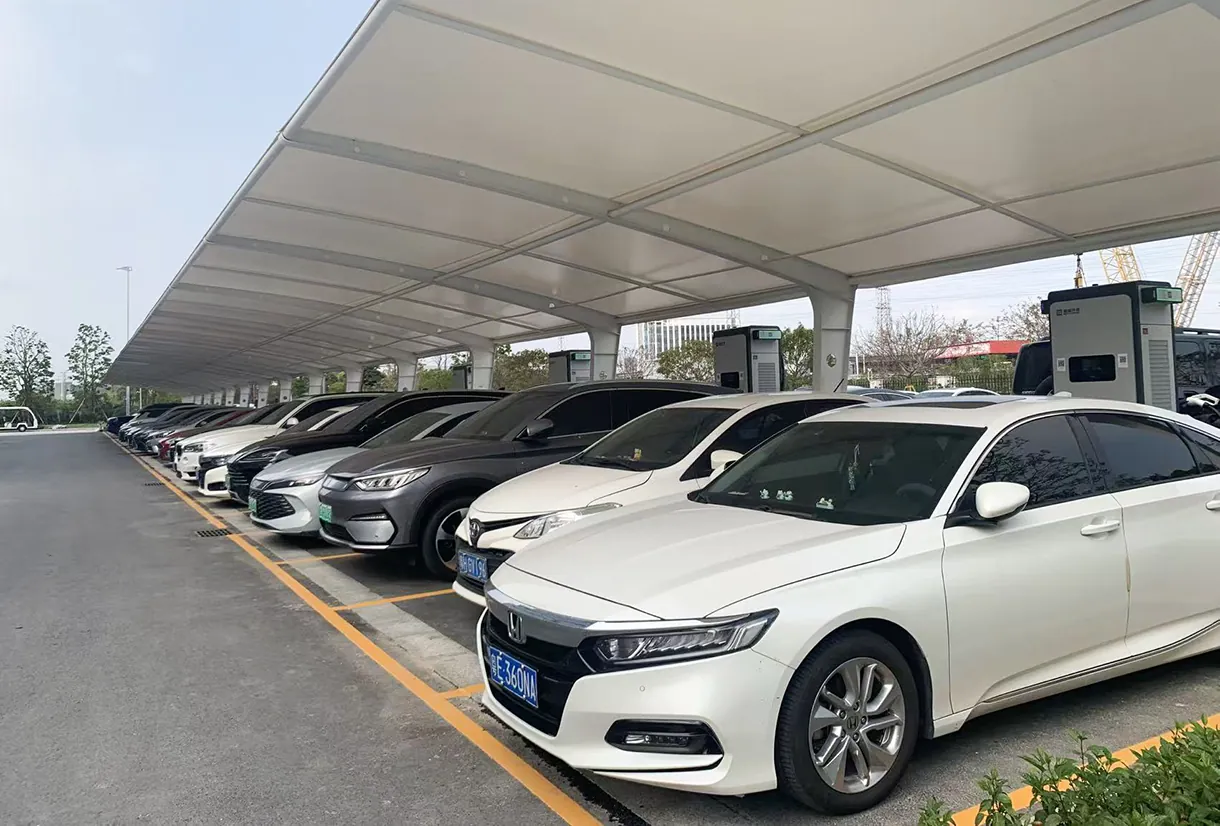
The increasing adoption of electric vehicles has encouraged many companies to rethink how workplace facilities support daily transportation. A workplace EV charging project can become part of a company’s energy planning, employee services, and fleet management strategy. However, creating a practical charging system requires careful consideration of site conditions, vehicle demand, power resources, and future development plans.
Before starting a charging project, businesses need to define their main goals. Some organisations may want to provide charging options for employees, while others may focus on company vehicles, delivery fleets, or service transportation. In these cases, a suitable commercial EV charging station can support different workplace transportation requirements. The number of vehicles, parking time, charging frequency, and possible expansion needs all influence the final system design.
Evaluating Site Conditions Before Installation
A successful charging project starts with understanding the installation environment. Parking areas, electrical infrastructure, cable routes, and local regulations can affect the planning process. Businesses should review these factors before selecting equipment because different locations may require different installation methods.
Power availability is another important consideration. Existing electrical systems need to support the expected charging demand without affecting other operations. For facilities with limited power capacity, companies may need to consider charging schedules or energy management solutions to improve daily usage.
The physical environment also influences equipment selection. Indoor parking areas, outdoor spaces, and semi-covered locations may have different requirements for protection levels and installation design. A detailed site evaluation helps businesses create a charging system that matches actual operating conditions.
Selecting Suitable Charging Equipment for Business Needs
Charging equipment selection depends on vehicle types, usage patterns, and operational requirements. Vehicles that remain parked for several hours may work well with AC charging solutions, while commercial fleets that require shorter charging periods may consider higher-power charging options.
When planning a workplace EV charging project, companies should compare charging output, communication functions, and management features. Common AC charging options include 7kW, 11kW, and 22kW models, while commercial applications may require higher power solutions depending on transportation schedules.
Smart management functions have also become an important part of modern charging systems. Features such as remote monitoring, charging data collection, and platform connection can help operators understand equipment usage and improve daily management. These functions are especially useful when businesses operate multiple charging points across different areas.
Improving Charging Management Through Digital Solutions
After installation, charging infrastructure requires continuous operation management. Businesses need clear information about charging activities, equipment status, and maintenance requirements to maintain stable daily operation.
Digital platforms can provide useful support by collecting charging records and monitoring equipment performance. For fleet operators, these functions can help analyse vehicle usage and arrange charging schedules more effectively.
Communication protocols also play an important role in connected charging networks. For businesses operating multiple locations, a commercial EV charging station with digital management functions can help improve charging visibility and daily operation planning. Technologies such as OCPP allow charging equipment to communicate with management platforms, helping businesses integrate chargers with different operational systems.
For companies managing workplace transportation, a well-designed management system can improve visibility and make charging operations easier to organise. This approach allows businesses to understand energy usage while preparing for future expansion.
Considering Safety and Long-Term Operation Requirements
Safety is a key factor in charging infrastructure planning. Charging equipment needs to operate under different electrical and environmental conditions, so businesses should review protection functions and compliance requirements before purchasing.
Common protection features include over-voltage protection, under-voltage protection, overload protection, short-circuit protection, earth fault protection, and temperature monitoring. These functions help charging equipment respond to different operating situations during daily use.
Certification requirements should also be considered based on the target market. Different regions may have different standards for charging products, and selecting equipment that matches local requirements can simplify project implementation.
Long-term operation also depends on supplier support. Businesses should evaluate warranty policies, technical assistance, product availability, and maintenance services before making a final decision.
Choosing a Suitable Charging Solution for Workplace Applications
After completing project planning, businesses need to select charging equipment that matches their operational goals. Product specifications, communication options, installation methods, and service support are important factors during supplier evaluation. At this stage, working with an experienced charging solution provider can help businesses connect equipment selection with practical project requirements. INFORE ENVIRO provides charging solutions designed for different commercial application scenarios.
Based on these requirements, our Carina Series Commercial Floor-mounted AC EV Charger is designed for commercial charging environments. The charger supports 14-42kW output options and features dual Type 2 charging guns. It also includes a 1.5-inch touch screen interface with communication options such as APP, RFID card, 4G, WiFi, Bluetooth, and Ethernet.
For businesses, selecting charging equipment is only one part of the project. Long-term operation also depends on stable technical support, suitable service processes, and continuous equipment management. These factors can influence the daily performance of a commercial charging network.
Our charging solutions are developed for different commercial applications and support market standards including GB/T, 3C, Type 2, CCS2, CE, CB, and RoHS requirements. We provide a two-year warranty and 7×24-hour technical support to assist customers with daily charging operations.
Conclusion
Developing a workplace EV charging project requires careful planning from site assessment and power evaluation to equipment selection and operation management. Companies need to consider current transportation needs while leaving space for future charging expansion.
With experience in commercial charging applications, INFORE ENVIRO provides charging solutions that combine suitable hardware, communication functions, and technical support. The company supports businesses in building practical charging infrastructure that matches current operational needs while allowing space for future development. Our goal is to help businesses build practical charging infrastructure with suitable commercial EV charging station options that support the growing adoption of electric vehicles and improve daily energy management.
.webp)