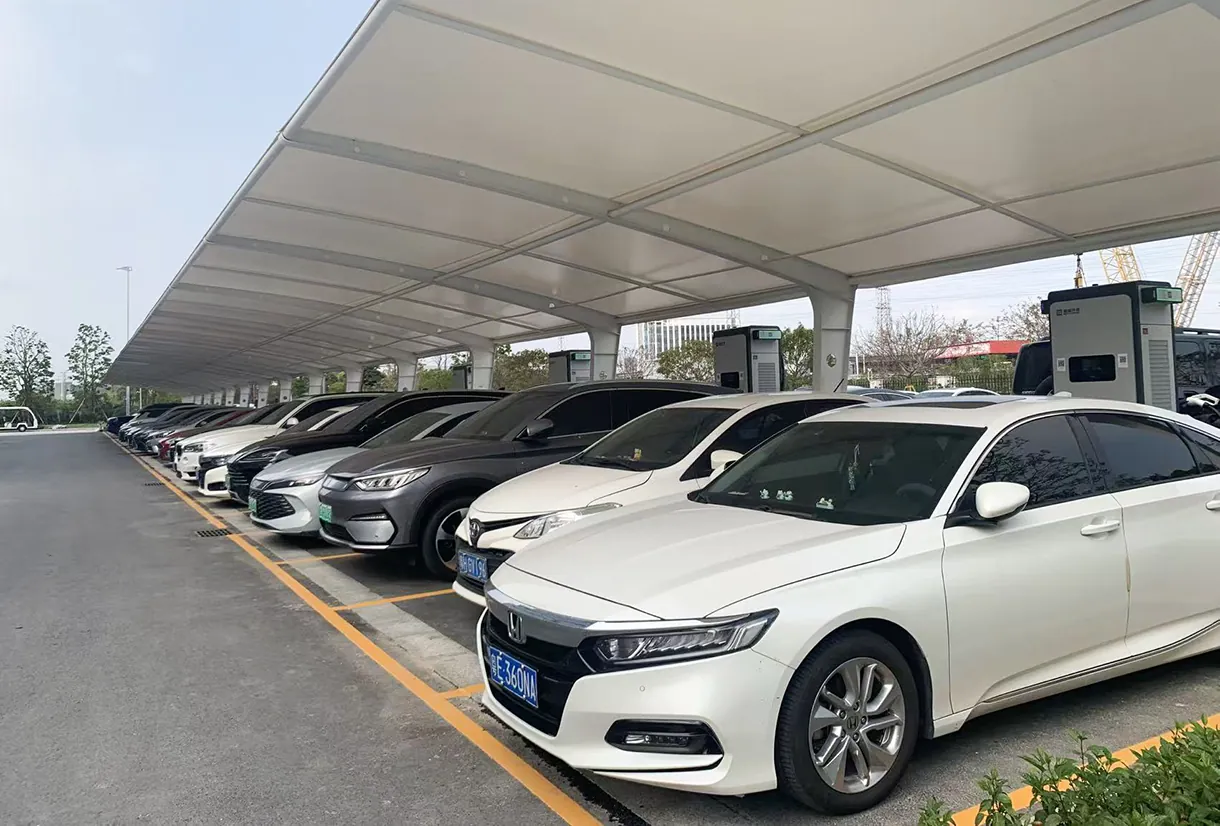
As electric vehicles become more common in daily transportation and commercial operations, we understand that charging infrastructure has become an important part of EV adoption. For businesses planning charging projects, understanding how charging equipment works can help them select suitable solutions based on vehicle requirements and site conditions.
An AC EV charger works by delivering alternating current from the electrical grid to an electric vehicle. Unlike DC charging systems that convert power before sending it to the battery, AC chargers mainly provide controlled power delivery while the vehicle’s onboard charger converts AC power into the direct current needed for battery storage.
During the charging process, we use communication and control systems to confirm connection status, charging requirements, and safety conditions between the charger and the vehicle. Once the system verifies that the conditions are suitable, electricity is supplied according to the vehicle’s charging demand. Sensors and control systems continuously monitor information such as voltage, current, and temperature to support stable operation.
Key Components That Support Safe AC Charging
The operation of an AC charging system depends on several important components working together. We design charging systems with charging controllers that manage communication between the charger and the vehicle, while protection systems monitor electrical conditions during operation.
Safety functions are essential for both commercial and residential charging environments. In our charging solutions, protection features can include over-current protection, over-voltage protection, short-circuit protection, leakage protection, and temperature monitoring. These functions help charging equipment respond to different electrical conditions during daily use.
Communication capability is also an important part of modern charging technology. We support charging systems with digital management functions and communication protocols such as OCPP. These features allow operators to monitor charging status, review usage information, and manage multiple charging points more efficiently.
How AC Charging Fits Different Commercial Applications
Commercial charging projects often have different requirements depending on vehicle types, parking duration, and operating schedules. We understand that office buildings may need charging solutions for employees who park for several hours, while commercial fleets may require more frequent charging management.
Power selection is an important consideration when planning a charging system. We provide AC charging options with different configurations, including 7kW, 11kW, and 22kW solutions. The suitable power level depends on available electrical capacity, vehicle usage patterns, and project goals.
Compared with high-power DC charging, we find that AC charging is often suitable for locations where vehicles remain parked for longer periods. This makes it a practical option for workplaces, commercial parking areas, residential communities, and other locations where charging time can be arranged according to daily routines.
What Features Should Businesses Consider When Selecting Charging Equipment?
When choosing charging equipment, we recommend that businesses evaluate more than charging speed. Factors such as compatibility, communication functions, installation environment, and long-term maintenance should also be considered.
The technology used in a best home EV charger can also provide useful references for commercial charging design. Features such as smart control, remote monitoring, load management, and user authentication are becoming common requirements in modern charging systems.
For different markets, charging interfaces and certifications may vary. We support different connector standards, including Type 1, Type 2, and other regional options according to project requirements. Our products can meet certification requirements such as CE, CB, RoHS, GB/T, and 3C according to different models and markets.
Choosing an Experienced Charging Solution Provider
Selecting a suitable supplier is an important step for companies developing EV charging projects. We believe that product development capability, manufacturing experience, testing processes, and technical support are important factors when evaluating charging partners.
At INFORE ENVIRO, we focus on EV charging equipment development and manufacturing for distributors, operators, and commercial customers. We provide AC and DC charging solutions with different power configurations to support various application scenarios.
Our Apus Series AC Wallbox is designed for flexible charging environments. The 6kW Apus Series AC Wallbox CHAdeMO supports 1-phase 6kW charging output and OCPP 1.6J communication. We also support optional functions such as dynamic load balancing and APP management according to different project requirements.
With more than 10 years of experience in the EV charging industry, we operate a 12,000-square-meter production facility with over 100 technical professionals and more than 20 testing personnel. We have developed over 30 patents related to charging technology, and these capabilities support customised charging solutions for different business applications.
Conclusion
Understanding how an AC EV charger works helps businesses make better decisions when developing charging infrastructure. Through our experience, we know that the charging process involves power conversion, vehicle communication, safety monitoring, and intelligent management functions.
As EV applications continue to expand, we believe charging equipment needs to balance performance, compatibility, and operational management. Whether evaluating a best home EV charger for smaller applications or commercial charging equipment for larger projects, companies should focus on actual usage requirements and technical capabilities.
At INFORE ENVIRO, we provide practical charging solutions and technical support to help businesses develop charging systems that match their operational needs. With suitable planning and equipment selection, companies can build charging infrastructure that supports efficient EV operation and future development.
.webp)