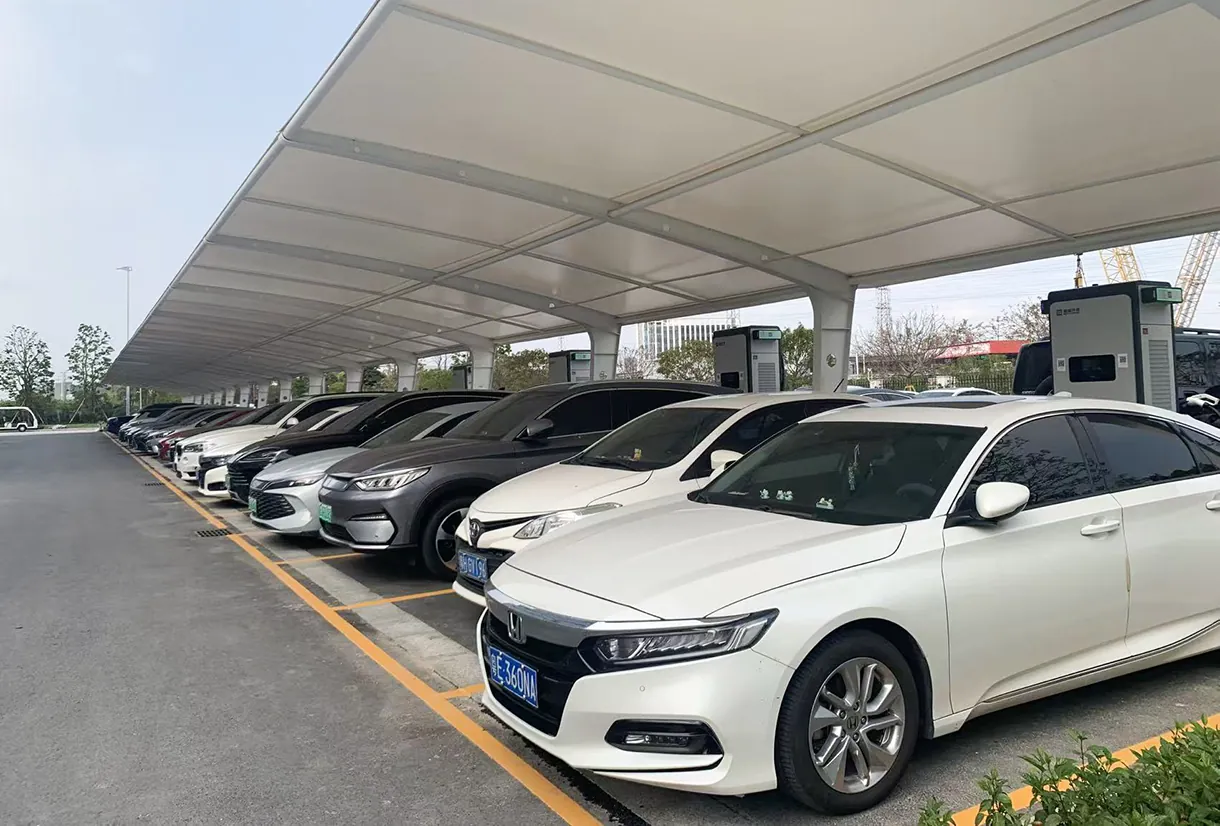
As electric vehicle fleets become more common in commercial transportation, we understand that charging infrastructure has become an important part of fleet management. A well-planned charging system can support daily vehicle operation, improve charging organisation, and reduce unnecessary downtime.
Before installing an AC fast charger, we recommend that fleet operators evaluate several factors, including parking space, electrical capacity, vehicle schedules, and future expansion plans. The charging location should provide enough room for vehicle movement, cable connection, and equipment maintenance.
Power assessment is one of the most important preparation steps. We suggest checking whether the existing electrical system can support the planned charging equipment. The required power capacity depends on the number of vehicles, charging frequency, and expected charging periods.
From our experience, fleet charging demand is usually connected with daily mileage and operation patterns. Vehicles that return to the same location every day may use scheduled charging during parking hours, while vehicles with longer routes may require faster charging solutions. Understanding these factors helps companies design a more suitable charging layout.
Selecting Suitable Charging Equipment for Fleet Applications
Choosing the right charging equipment depends on vehicle numbers, operating schedules, and available infrastructure. We find that AC charging is often suitable for fleets where vehicles remain parked for longer periods, such as company vehicles, service fleets, and workplace transportation.
Small fleet operators or businesses with limited charging demand may consider compact wallbox solutions. We also understand that the design concepts used in a best home EV charger can provide useful references for small commercial applications because we focus on space efficiency, simple installation, and convenient daily operation.
For larger fleet projects, we provide charging equipment with different output configurations according to vehicle requirements and charging schedules. Power options such as 30kW, 40kW, 60kW, and higher configurations can be considered based on actual application needs.
Connector compatibility is another factor that we pay attention to during project planning. Different regions may use different charging standards, so we recommend confirming whether the selected equipment matches vehicles and local requirements before installation.
Understanding the Installation Process of an AC Fast Charger
The installation process usually includes site preparation, electrical connection, equipment setup, and system testing. Before installation, we recommend checking cable routes, grounding systems, protection devices, and connection conditions to support stable operation.
After the equipment is installed, we carry out system configuration and testing procedures. Operators need to confirm that charging functions, communication systems, and safety features work properly before putting the equipment into daily use.
Modern charging systems often include smart management functions. Through digital platforms, we help fleet managers view charging status, review usage data, and manage multiple charging points more efficiently.
Communication protocols such as OCPP are also important in modern charging networks. By supporting connections with different management platforms, we help businesses organise charging activities and improve visibility into fleet energy usage.
Improving Fleet Operation Through Smart Charging Management
A fleet charging system requires more than physical installation. In our view, daily management also plays an important role in maintaining efficient operation.
For companies operating multiple electric vehicles, charging data can help managers understand vehicle availability, charging frequency, and equipment usage. Instead of manually checking each charger, digital platforms provide clearer information for scheduling and operation planning.
Load management is another important consideration for fleet charging sites. When multiple vehicles charge at the same time, intelligent systems can help balance electricity demand according to available power capacity.
We believe a suitable AC fast charger solution should combine charging performance with communication functions and safety management. This approach allows fleet operators to build charging systems that match their actual operational requirements.
Choosing an Experienced Charging Equipment Supplier
Selecting a suitable charging partner is an important step for businesses developing EV fleet charging projects. We believe product development capability, manufacturing experience, testing procedures, and technical support are important factors when evaluating charging suppliers.
At INFORE ENVIRO, we focus on EV charging equipment development and manufacturing for commercial users, distributors, and fleet applications. We provide AC and DC charging solutions with different power configurations to support various charging scenarios.
Our product range includes wallbox chargers and higher-power charging solutions. Our Vela Series Home Wallbox supports 7kW, 11kW, and 22kW charging options, with cable and socket configurations designed for different installation requirements.
With more than 10 years of experience in the EV charging industry, we operate a 12,000-square-meter production facility with over 100 technical professionals and more than 20 testing personnel. We have developed more than 30 patents related to charging technology, supporting customised charging solutions for different business applications.
Supporting Long-Term Fleet Charging Operation
After installation, maintenance support and product compliance remain important considerations for fleet operators. We understand that charging equipment used in outdoor or semi-outdoor environments needs suitable protection against dust and water exposure.
Our charging products support different market requirements, including GB/T standards, 3C certification, Type 2, CCS2, CE, CB, and RoHS certifications according to different product models.
We provide a two-year warranty and 7×24-hour technical support to assist customers during equipment operation. Our production management and testing procedures support a typical delivery period of around 30 to 45 days depending on project requirements.
Planning the Right EV Fleet Charging System for Different Business Needs
Installing an EV fleet charging system requires careful planning, from site evaluation and power assessment to equipment selection and long-term management. Through our experience, we understand that businesses should consider vehicle usage patterns, charging requirements, and future expansion before making decisions.
A best home EV charger can support smaller fleet or workplace applications where charging demand is moderate, while larger charging systems may be more suitable for commercial fleet operations. We recommend selecting equipment based on actual needs rather than only focusing on charging speed.
At INFORE ENVIRO, we provide practical charging solutions and technical support to help businesses develop fleet charging systems that match their operational goals. With proper planning, suitable equipment, and effective management, companies can create charging infrastructure that supports reliable electric vehicle operation.
.webp)