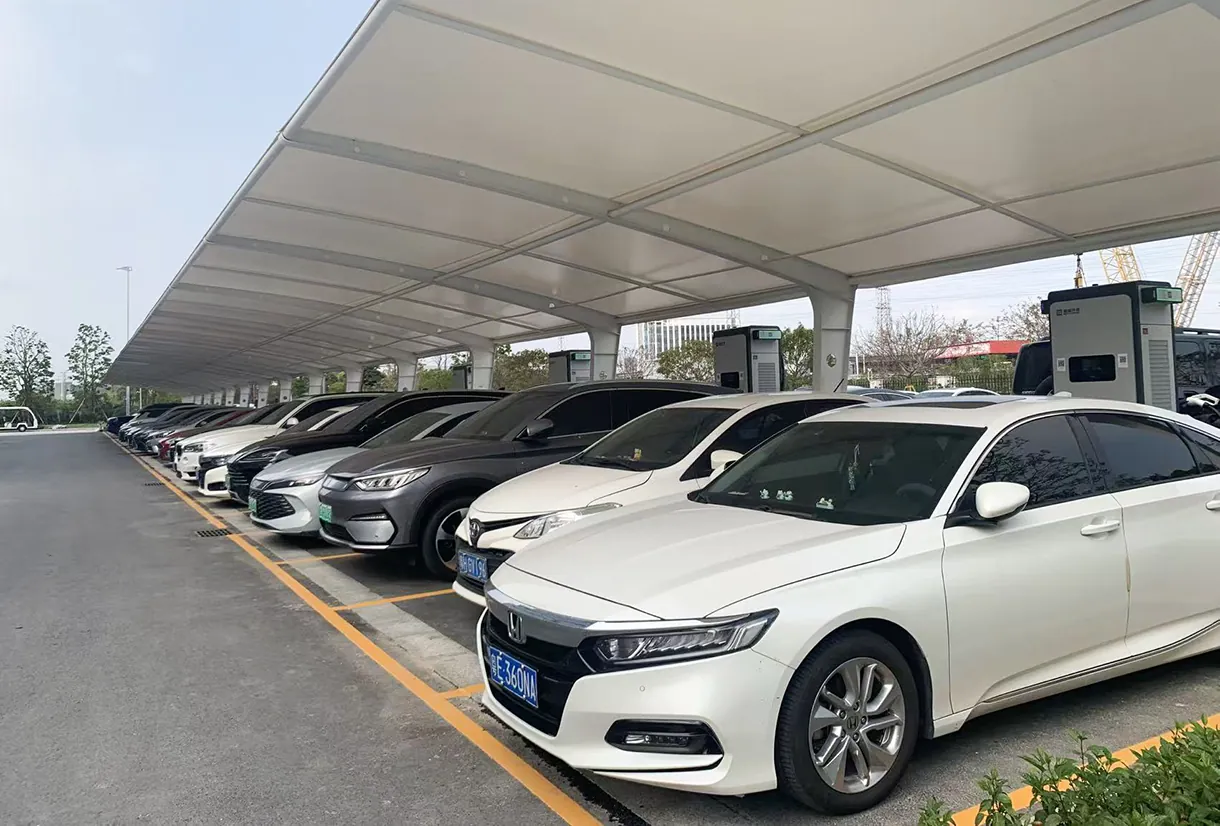
The growth of electric vehicles is changing how we plan transportation facilities in modern cities. As more businesses, parking operators, and commercial buildings introduce EV charging services, we understand that available space and operational efficiency have become important considerations.
Urban charging locations often face challenges such as limited parking areas, high vehicle turnover, and increasing charging demand. Traditional charging layouts may require multiple independent charging units, which can increase installation requirements and occupy more space.
A dual output car charger provides a practical approach by allowing two vehicles to connect with one charging unit. Instead of installing separate chargers for every parking space, we help operators use equipment with multiple charging connections to improve charging availability in areas where space planning is important.
This type of charging equipment can be applied in office buildings, shopping centers, public parking facilities, residential communities, and fleet parking areas. The actual selection depends on vehicle numbers, charging frequency, power capacity, and site conditions.
How Dual Output Charging Improves Space Utilization
One of the main advantages of multi-output charging equipment is better use of installation space. In urban environments, parking resources are often limited, so we understand that businesses need charging solutions that provide practical service without requiring unnecessary equipment expansion.
A dual port EV charger allows two electric vehicles to charge from the same charging system. This design can reduce the number of charging units needed in certain projects while supporting multiple users at the same location.
However, we believe charging deployment requires more than simply increasing the number of charging connections. Businesses also need to evaluate charging speed, electrical capacity, connector compatibility, and future expansion plans before selecting equipment.
For example, locations with longer parking durations may choose AC charging solutions, while areas requiring faster vehicle turnover may consider higher-power charging options. We recommend designing charging systems according to the operational pattern of each project.
Important Features to Consider for Commercial Charging Projects
Commercial charging equipment needs to support stable operation under different usage conditions. Based on our experience, operators usually consider factors such as communication capability, safety protection, maintenance requirements, and management functions.
Modern charging systems often include digital communication features that allow operators to monitor charging status and collect operation data. We support charging management functions that help businesses understand equipment usage and manage multiple charging points more efficiently.
Safety functions are also essential for urban charging applications. Charging equipment may operate in outdoor or semi-outdoor environments, where protection against dust, water, and changing weather conditions needs to be considered during product selection.
In addition, we understand that compliance with regional standards is an important part of project planning. Different markets may require specific certifications and charging interfaces based on local regulations and vehicle requirements.
Selecting Suitable Equipment for Urban Charging Applications
When choosing charging equipment, we recommend that businesses focus on whether the product matches the project environment. Factors such as installation method, output power, communication options, and maintenance access can affect long-term operation.
A dual port EV charger can be considered for locations where multiple vehicles need charging access but installation space is limited. By combining two charging outputs in one unit, we provide a flexible option for commercial parking and fleet applications.
For projects requiring higher management capability, we support charging systems with OCPP communication functions that can connect with different charging platforms. This allows operators to monitor charging activity, manage connected devices, and organize daily operation more effectively.
Choosing an Experienced Charging Equipment Supplier
For B2B customers, supplier capability is an important factor when developing EV charging projects. We believe businesses should evaluate product development experience, manufacturing capacity, testing systems, and after-sales support before making decisions.
At INFORE ENVIRO, we focus on EV charging equipment development and manufacturing for commercial applications. We provide AC and DC charging solutions with different power configurations to support various charging scenarios.
Our Carina Series Commercial Floor-mounted AC EV Charger is designed for commercial charging environments. The product supports 14-42kW power options and features a 2 Guns Type 2 charging output design. We also support communication methods including APP, RFID Card, 4G, WiFi, Bluetooth, and Ethernet for flexible operation management.
Our equipment includes IP54 protection features for outdoor and semi-outdoor applications. With intelligent management functions and different configuration options, we support charging projects with various operational requirements.
Supporting Future Urban EV Charging Development
As cities continue to adopt electric vehicles, we understand that charging infrastructure needs to support different business models and transportation needs. Commercial buildings, fleet operators, and charging service providers require equipment that balances charging availability, management capability, and installation efficiency.
A dual output car charger can provide a practical approach for projects that need multiple charging connections in limited spaces. Combined with smart communication, safety functions, and suitable power configurations, this type of equipment can support different urban charging environments.
At INFORE ENVIRO, we provide charging solutions and technical support to help businesses develop practical EV charging networks. By selecting suitable equipment and planning charging systems based on actual requirements, companies can improve charging flexibility and operational management for future urban transportation needs.
.webp)