Choosing between AC and high-power DC systems significantly shapes the financial outcomes of commercial EV infrastructure. Owners often evaluate hardware on capital costs rather than revenue velocity and customer throughput. Installing low-power solutions at high-turnover locations creates operational bottlenecks that alienate drivers and cap growth.
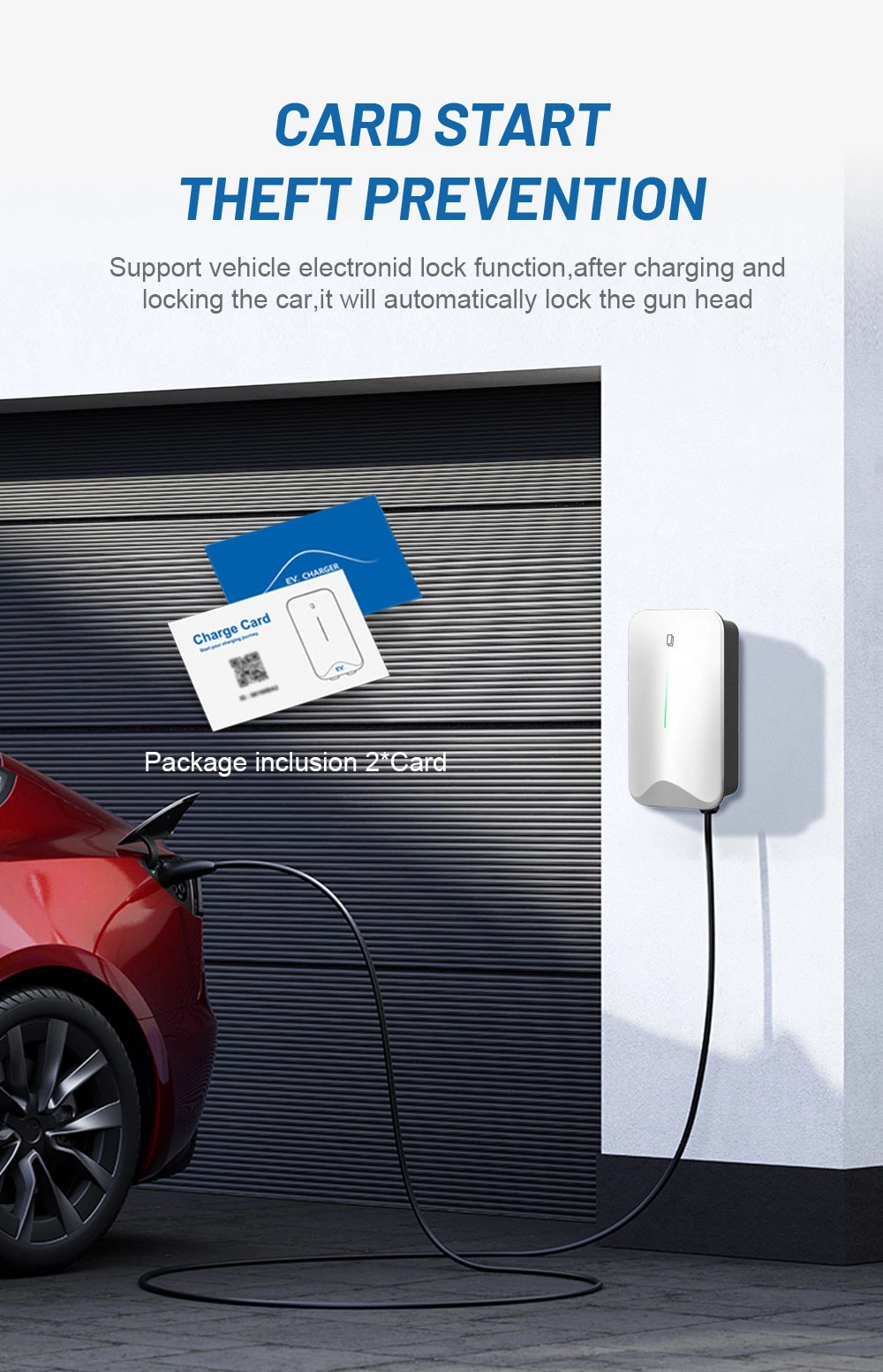
Electrical delivery must align with site-specific dwell times to determine whether charging hardware becomes a profitable asset or a stranded cost. AC charging supplies alternating current to the vehicle, where the onboard charger converts it to DC, while DC charging equipment supplies controlled DC power to the vehicle. Understanding this divergence helps site developers and fleet managers build resilient, revenue-generating energy hubs.
Matching Charging Architecture with Customer Dwell Times
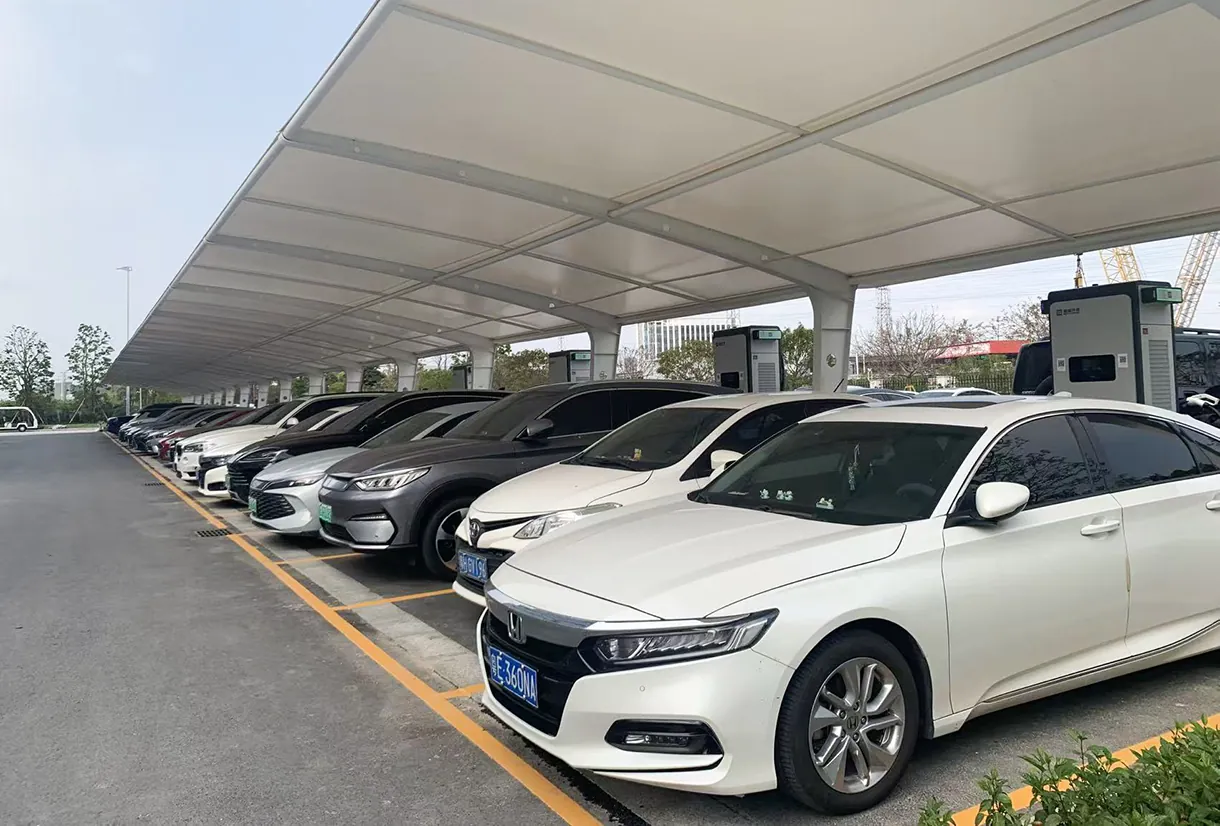
Every commercial property operates under a distinct dwell-time profile that governs how long vehicles remain parked on-site. Retail plazas, convenience stores, highway corridors, and last-mile delivery hubs typically see short stay durations. Supplying only lower-power AC charging during a brief stop restores only a modest amount of driving range, which often falls short of modern driver expectations.
Integrating a high-throughput Level 3 DC fast charger solves this fundamental operational disconnect by delivering up to 350kW directly to the vehicle’s traction battery. Bypassing the vehicle’s limited onboard AC-to-DC converter allows high-power stations to deliver substantial range replenishment in a fraction of the time. This rapid energy transfer transforms passive parking stalls into high-yield amenities that attract high-value EV drivers to commercial properties.
Consider an urban logistics yard managing last-mile delivery vans under tight morning dispatch schedules. Requiring drivers to wait four hours on AC power destroys route efficiency and inflates labor expenses significantly. At INFORE ENVIRO, we help facility leaders map vehicle turnaround schedules directly to available electrical infrastructure, preventing operational delays and maximizing daily fleet productivity.
Mismatched charging speeds severely throttle site capacity and limit revenue potential across high-value commercial real estate. When parking stalls remain occupied for hours by slowly charging vehicles, overall session volume drops dramatically. Installing appropriate power levels ensures that energy turnover matches natural customer behavior across every commercial site profile.
Revenue Velocity and Fleet Throughput Economics
Monetizing commercial charging infrastructure requires evaluating revenue potential per square foot rather than simple electricity resale markups. AC chargers yield low hourly returns because connected vehicles draw power slowly over extended periods, blocking access for other drivers. In contrast, rapid energy transfer can significantly increase daily session volume on the same parking footprint.
Deploying an industrial-grade DC fast charger Level 3 system multiplies daily vehicle turnover, dramatically raising overall session receipts. High-turnover charging hubs generate significant indirect revenue by boosting foot traffic and dwell-time spending inside adjacent retail establishments. Quick turnaround times convert casual visitors into loyal commercial customers who favor locations offering reliable rapid charging.
Commercial fleet operators experience immediate financial benefits through improved vehicle utilization rates and reduced operational idle time. Delivery trucks and municipal service vehicles complete mid-day routes faster when rapid top-ups replace long depot charging pauses. INFORE ENVIRO‘s high-voltage charging equipment is engineered to sustain high-amperage output across demanding duty cycles, helping commercial fleets maintain productive operations while managing thermal performance effectively.
Higher power capacity also enables dynamic session pricing models that optimize profit margins during peak operational hours. Facility owners can charge premium rates for rapid energy access while offering competitive tariffs during off-peak windows. Flexible monetization strategies turn high-speed charging stations into resilient commercial profit centers.
Strategic Hybrid Infrastructure Planning for Commercial Property
Achieving long-term commercial scalability rarely requires selecting a single charging technology exclusively across an entire enterprise portfolio. Forward-thinking facility developers implement structured hybrid layouts that balance low-cost AC units with high-power DC pedestals. Matching hardware selection to specific operational workflows optimizes capital expenditure while fulfilling diverse charging demands.
Overnight depot staging yards benefit from low-amperage AC pedestals where vehicles remain parked for eight consecutive hours. Conversely, public retail zones, fleet quick-charging lanes, and highway service plazas require high-capacity DC units to handle heavy traffic volumes. Installing a Level 3 DC fast charger at strategic site entry points ensures fast vehicle turnaround during peak operating windows.
Managing utility grid constraints requires intelligent hardware selection coupled with dynamic load management software. Combining high-voltage charging units with localized battery energy storage buffers peak demand spikes and reduces expensive utility surcharges. Facilities can operate a DC fast charger Level 3 station alongside heavy building loads without triggering immediate, costly transformer overhauls.
Collaborating with technical advisors at INFORE ENVIRO empowers business leaders to design future-proof infrastructure that scales seamlessly as fleet adoption expands. Balancing initial capital outlay against long-term throughput capacity protects property owners from technical obsolescence. Strategic power allocation remains the foundational driver of long-term profitability and operational resilience in commercial EV infrastructure.
Accelerating business growth in the electric mobility sector requires treating charging hardware as an active operational engine rather than a passive property amenity. While AC charging fills a crucial niche for long-duration parking, high-power DC infrastructure provides the throughput, speed, and turnover necessary to drive commercial profitability.
Facility owners and fleet managers who align electrical infrastructure with operational dwell times can achieve stronger competitive positioning. Investing in high-speed energy delivery can help improve asset utilization, support customer retention, and contribute to more favorable long-term financial returns across commercial property portfolios.
.webp)