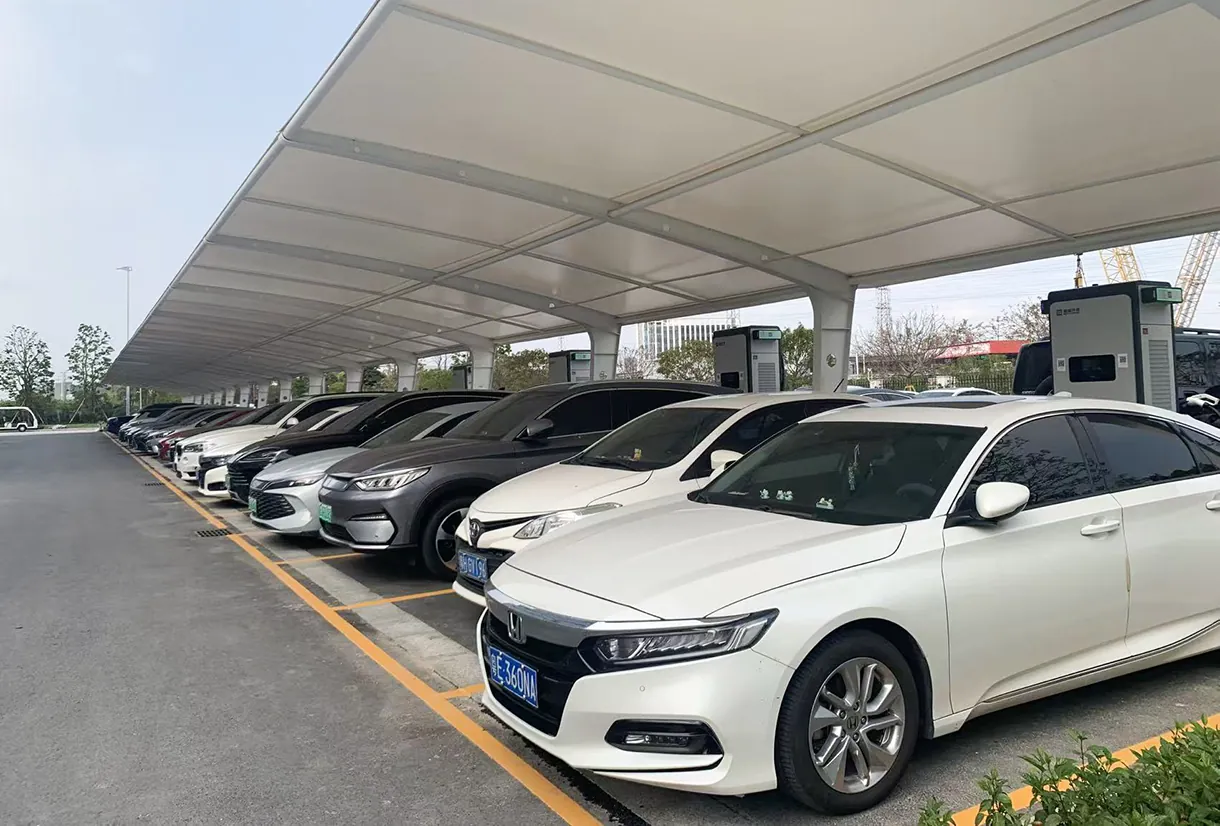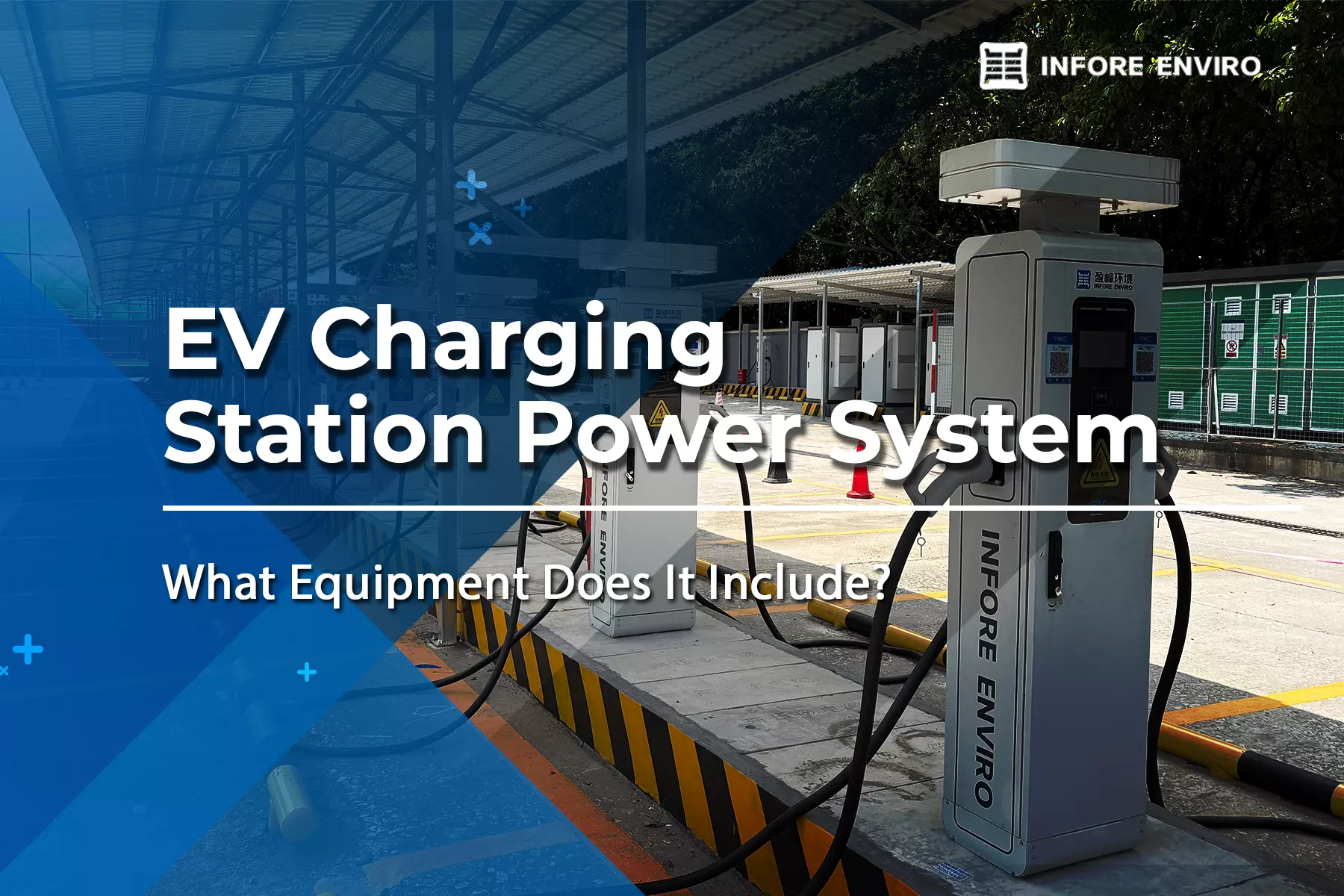
Procuring commercial workplace EV charging infrastructure requires balancing upfront capital expenditure, site electrical limits, and long-term operating models. Whether equipping an enterprise office campus, commercial parking garage, or retail center, selecting the right station architecture ensures your property delivers reliable energy to employees, tenants, and fleet vehicles.
Transforming a commercial parking facility into an electrified asset involves evaluating driver stay durations, hardware capabilities, and software management capabilities. Following a structured procurement framework helps business owners and property managers identify installation risks, compare project costs, and evaluate potential operating returns.
Assessing Facility Energy Capacity and Driver Dwell Times
Purchasing commercial charging equipment begins with evaluating how vehicles utilize your facility’s parking layout. Driver dwell time determines whether your site requires standard Level 2 AC power or high-throughput DC fast charging.
At workplaces and corporate office campuses, employees and tenants typically park for 4 to 8 hours. AC charging can provide a practical solution for longer parking durations, while the Vector Series integrates up to 22kW AC charging with 60kW DC fast charging in one unit.
For retail centers, visitor hubs, or commercial fleet depots, drivers require rapid battery replenishment within 30 to 60 minutes. Deploying DC fast charging equipment provides higher-power charging for applications where vehicles require faster energy replenishment during shorter parking periods.
Working with a certified master electrician or electrical engineer allows property managers to assess main panel service capacity. Identifying available transformer headroom and trenching distance from the electrical room to parking stalls establishes your baseline installation budget.
Evaluating AC vs. DC and Integrated Hybrid Charging Architecture
Rather than choosing strictly between AC or DC hardware, modern commercial property hosts increasingly adopt integrated hybrid charging stations. An integrated AC/DC station combines high-power DC fast charging (such as 60 kW) alongside high-capacity AC output (such as 22 kW) inside a single physical footprint.
Hybrid architectures provide dual capabilities that serve diverse operational needs across workplace and visitor environments:
Simultaneous Charging Flexibility: Allows rapid replenishment for short-dwell visitors via the DC fast charging connector while enabling long-stay workplace employees to plug into the AC port simultaneously.
Capital Cost and Footprint Optimization: Consolidates power conversion modules, billing interfaces, and communication gateways into a single pedestal, significantly reducing civil trenching, concrete pad pouring, and hardware footprint costs.
Versatile Grid Connection: Electrical Compatibility: The station specifies an AC400V±10% input, allowing site planners to assess compatibility with the available commercial electrical infrastructure.
Integrating AC/DC commercial stations that deliver 60 kW DC fast charging alongside 22 kW AC output in one rugged cabinet empowers property hosts to maximize parking space efficiency and accommodate all vehicle types seamlessly.
Selecting Hardware Specifications, OCPP Software, and Billing Features
Selecting commercial charging hardware involves evaluating physical durability, open software standards, and payment processing capabilities. Avoiding proprietary, closed-ecosystem hardware protects property owners from vendor lock-in and unexpected recurring subscription hikes.
Essential hardware and software selection criteria include:
Open Charge Point Protocol (OCPP) Compliance: Open Charge Point Protocol (OCPP) Compliance: The station supports OCPP 1.6J, with OCPP 2.0 available as an optional configuration.
Industrial Weatherproofing and Vandal Resistance: Weather Protection: The station features an IP54-rated enclosure for commercial charging environments.
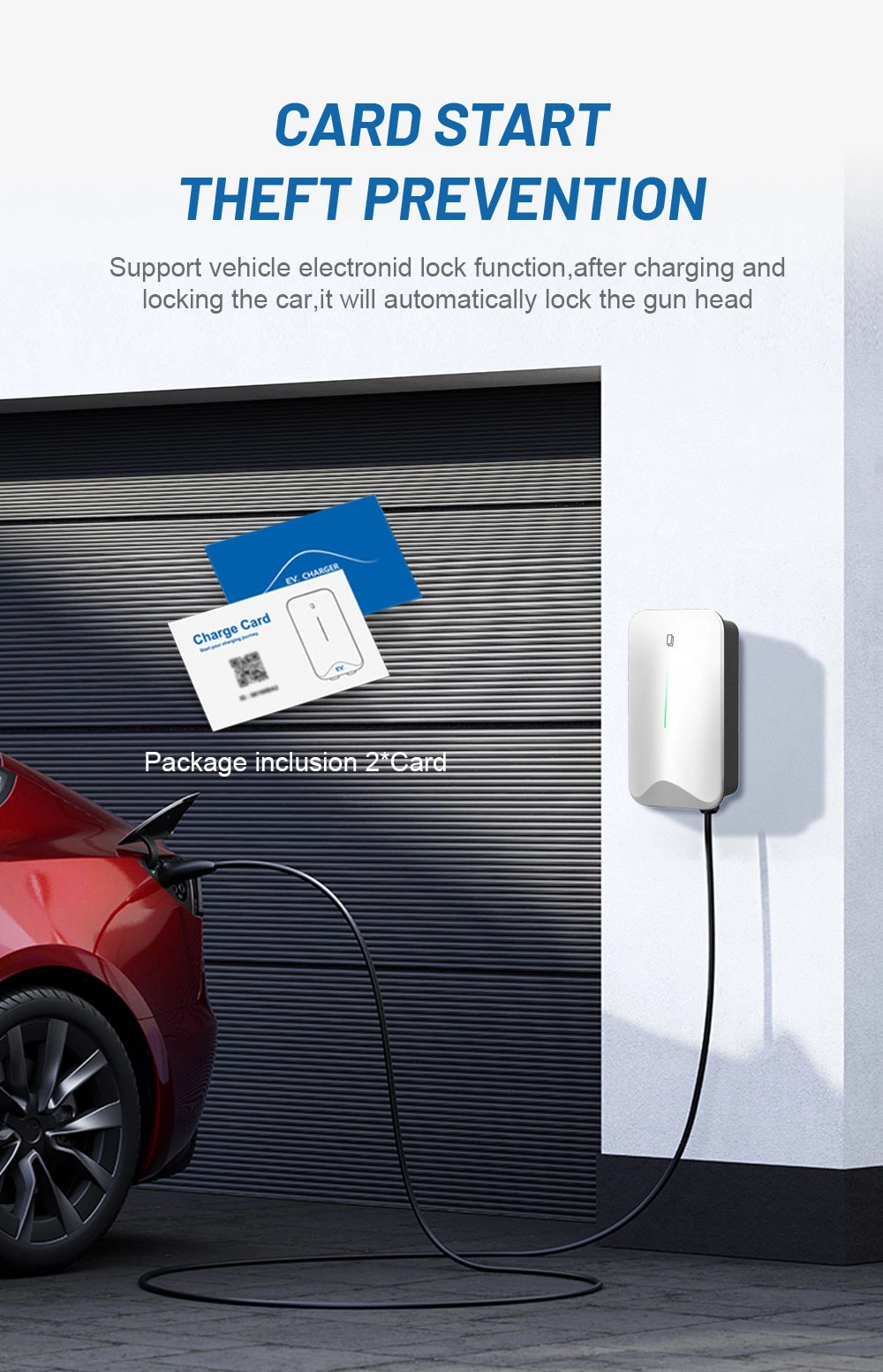
User Authentication and Payment: The station supports APP and RFID card activation, with POS available as an optional configuration.
Dynamic Load Management (DLM): Intelligent local load management protects main switchgear by automatically throttling AC DC charger output when overall property energy consumption spikes.
Configuring custom pricing tariffs—such as per-kWh rates, hourly parking fees, or off-peak incentives—enables commercial property hosts to monetize their investment, offset utility electricity bills, and generate steady recurring revenue.
Navigating Utility Coordination, Permitting, and Turnkey Procurement
Executing a commercial EV charger procurement strategy involves navigating utility interconnection approvals, municipal building permits, and qualified contractor selection. Following a structured procurement roadmap keeps project timelines on schedule and prevents expensive change orders.
The recommended commercial procurement workflow comprises five core stages:
Internal Business Case and Site Assessment: Define project objectives, survey employee and visitor charging demand, and establish target budget ranges.
Utility Engagement and Interconnection Review: Submit a preliminary service load request to your local electric utility to confirm available grid capacity and transformer requirements.
Equipment Procurement and Software Licensing: Order certified, factory-tested hardware (such as integrated AC/DC wallboxes or pedestals) from trusted manufacturers like INFORE ENVIRO, and select an OCPP-compliant management software platform to ensure seamless system integration.
Engineering, Permitting, and Civil Construction: Finalize electrical single-line diagrams, obtain municipal building and electrical permits, complete trenching, pour concrete mounting pads, and pull supply cables.
Commissioning, Inspection, and Asset Management: Complete local authority inspections, perform load testing, activate cloud connectivity, and launch automated billing workflows.
Partnering with experienced equipment manufacturers ensures access to reliable, high-performance hardware backed by comprehensive technical support and long-term warranty coverage. Proper upfront planning turns commercial charging infrastructure into a high-value amenity that drives sustainability, attracts premium tenants, and delivers long-term financial returns.
.webp)