A logistics depot can have enough chargers on paper and still struggle to keep vehicles ready. The problem appears when several vans return together, the building is already using substantial electricity, and every charger tries to draw maximum power at once. Dynamic power sharing changes that equation by treating available electrical capacity as a resource allocated according to real-time demand.
The Depot Does Not Need Every Charger at Full Output
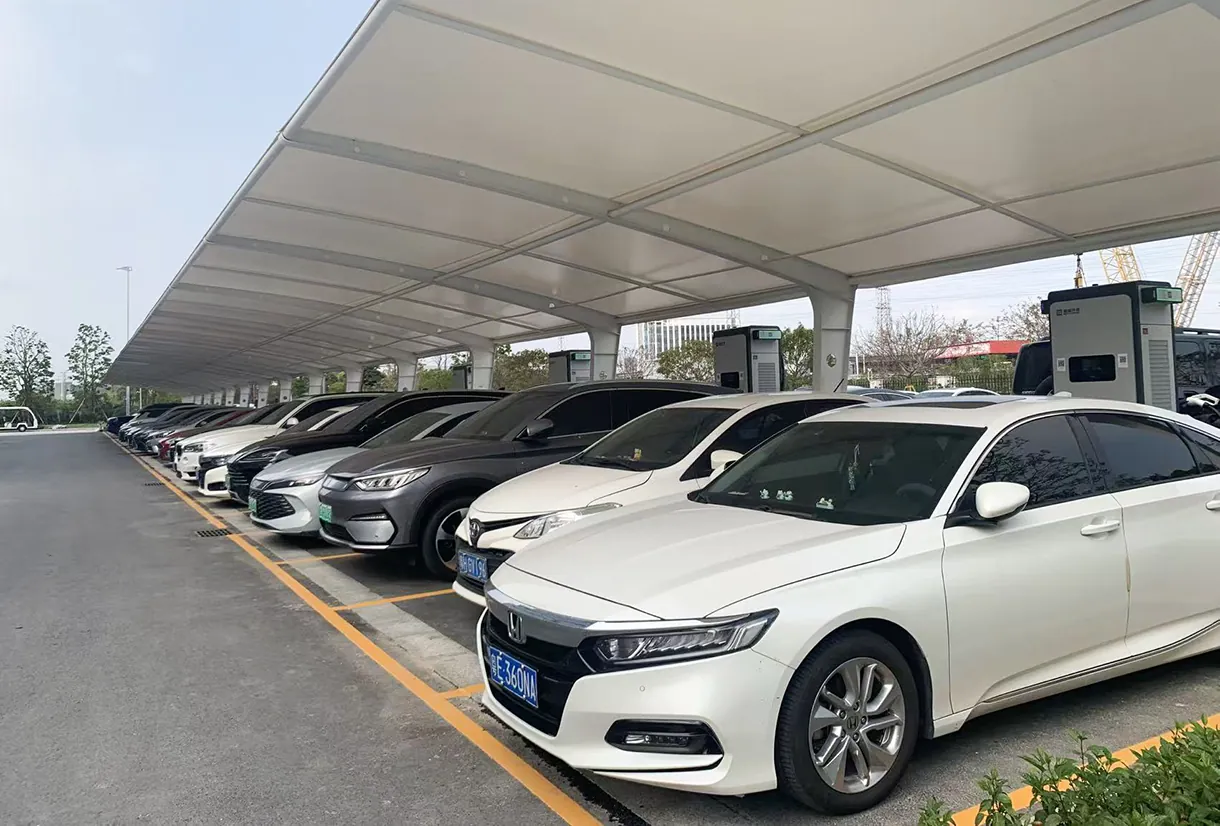
Imagine a delivery depot with eight charging points and a limited electrical connection. If every vehicle begins charging after an afternoon route, fixed charging limits may allow the chargers to create a substantial combined demand, even though the vehicles will not all need maximum power throughout the session.
Dynamic power sharing distributes available charging capacity across active sessions instead of treating every connector as an independent full-load demand. As vehicles connect, disconnect, or reduce their charging demand, available power can be reallocated. Broader load-management systems can also respond to non-EV building loads, helping keep total site demand within a defined limit. The U.S. Department of Energy describes managed charging as a way to coordinate EVs, chargers, buildings, and fleet operations.
Electrical Capacity Becomes a Managed Resource
The strongest financial case appears where a depot has limited spare capacity. Adding chargers can otherwise trigger electrical upgrades involving panels, transformers, or other distribution equipment. Smart charging can help fleets work within existing capacity rather than designing the electrical system around a theoretical simultaneous peak. DOE guidance identifies reducing infrastructure upgrades as one benefit of smart charge management.
Suppose a warehouse has daytime refrigeration, lighting, conveyors, and office loads. Vehicle charging added on top could create a new site peak. Dynamic management can reduce charging power when facility demand rises and make more capacity available when building demand falls.
For a logistics operator, that can make a commercial EV charging station more practical without assuming every charger must operate at its maximum simultaneously.
Charging Power Follows Operational Priorities
Power sharing becomes more useful when the strategy reflects the fleet schedule rather than simply dividing electricity equally.
Consider ten electric delivery vans returning between 5:00 and 7:00 p.m. Vehicle A leaves at 6:00 a.m. for a long route, while Vehicle B leaves at 8:30 a.m. for a shorter route. Giving both vehicles identical priority may not be the best use of available power.
A smarter strategy can prioritize vehicles according to departure time, required state of charge, route requirements, or other rules supported by the management system. DOE guidance notes that managed charging can use vehicle schedules, battery state of charge, dwell periods, equipment capacity, and building loads when coordinating charging.
The objective is sufficient energy delivered before vehicles return to service.
Peak Demand Can Be Controlled
A depot can create a significant electricity peak if many chargers start together. Depending on the utility tariff and site arrangement, high coincident demand can increase electricity costs.
Managed charging can limit aggregate EV charging power during constrained periods and shift available capacity to other times. The DOE identifies avoiding peak pricing and demand charges as a major managed-charging objective.
The better approach is to distinguish urgent charging from flexible charging. A vehicle departing soon may receive a larger share, while vehicles with longer dwell times can temporarily receive less.
For operators expanding fleet EV charging, this can also make growth easier to plan. Additional charge points do not automatically mean the site must support their combined maximum output at the same moment.
Hardware and Software Must Work Together
Dynamic allocation is useful only if charging infrastructure can communicate and respond reliably. The system may need charger data, site-load information, vehicle schedules, and defined power limits to make appropriate decisions.
At INFORE ENVIRO, we offer commercial AC charging equipment from 7 kW to 42 kW in wallbox and floor-mounted formats, with equipment designed to integrate with management platforms through OCPP.
The charger is not the entire solution. We evaluate electrical capacity, operating schedules, charger mix, and expansion plans before deciding how power should be allocated.
The Value is Measured at Departure Time
The practical advantage becomes clearer as fleet utilization increases. A small depot may need little coordination. A busy logistics hub is different: arrival times overlap, routes vary, building loads change, and charging windows can be tight.
At that scale, dynamic power sharing can help operators use electrical capacity more deliberately. It can reduce unnecessary simultaneous peaks, support predictable charging, and align power allocation with fleet priorities. Commercial power-sharing guidance similarly describes dynamic allocation as a way to keep charging within site limits while making available power more usable.
For fleet operators, the most useful question is not “How fast can every charger run?” It is “Will the required vehicles have enough energy when they need to leave?”
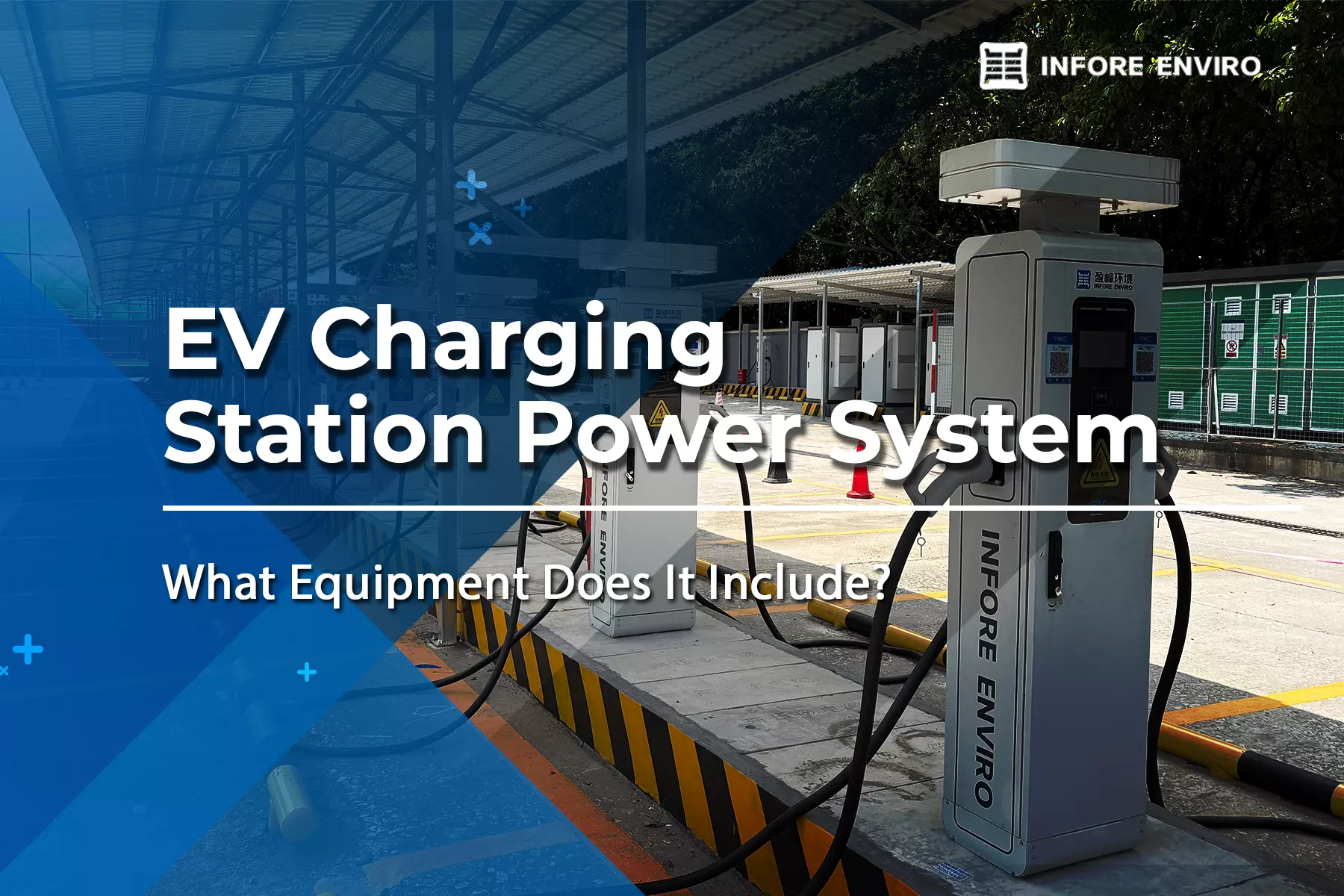
That shift explains the real value. Dynamic power sharing turns a finite electrical limit into a controllable operating parameter. When we plan a commercial EV charging station strategy at INFORE ENVIRO, we look beyond charger count and rated output. We consider vehicle arrival patterns, dwell times, route priorities, and available site capacity.
For growing logistics operations, fleet EV charging with dynamic power sharing can support more disciplined use of existing electrical infrastructure. The site still has a finite power limit, but that capacity can be allocated according to charging priorities instead of allowing simultaneous maximum charging to create unnecessary peaks.
.webp)