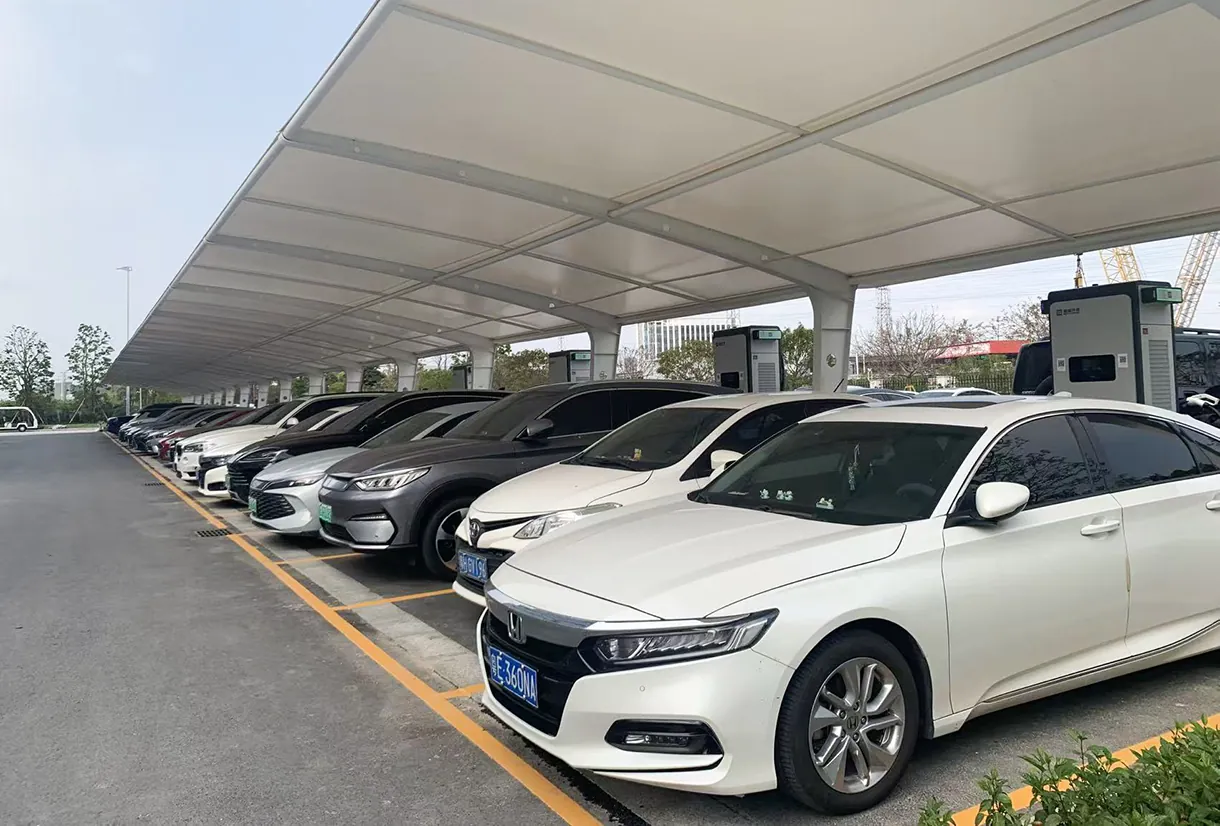
For a fleet manager, the best EV charger is not automatically the fastest one. A depot can have high-power equipment and still struggle if vehicles queue for chargers, charging starts at the wrong time, or the electrical system cannot support simultaneous demand.
A practical approach is to determine what charging arrangement can prepare the required vehicles for their next shift without adding unnecessary infrastructure.That answer depends on routes, parking periods, energy consumption, and the way vehicles share the site.
The Right Charger Depends on Fleet Operating Patterns
Imagine a delivery depot where most vans return at 7 p.m. and leave at 6 a.m. The vehicles have a long stationary period, so charging speed is only one part of the decision. Providing every parking bay with high-power DC charging could solve a problem the depot does not actually have.
A different fleet may operate continuously. Municipal service trucks, airport vehicles, or regional delivery vehicles can have much shorter turnaround periods. In those environments, insufficient charging speed can become an operational constraint.
That distinction is central to choosing fleet EV charging solutions. We start with the vehicles that are hardest to return to service, then design the charging infrastructure around their requirements.
Build the Depot Around Charging Windows
Parking behavior can be more useful than charger nameplate power when planning a depot. A vehicle parked for ten hours has substantially more opportunity to receive energy than one that returns for only an hour.
Route schedules should therefore be mapped against charging availability. Fleet managers can identify which vehicles arrive early, which leave first, and which can remain connected longer. The resulting schedule provides a practical basis for allocating charging capacity.
Our experience at INFORE ENVIRO is that this operational picture should be established before equipment quantities are finalized. A depot may need many lower-power charging points for predictable overnight charging, complemented by a smaller number of faster units for vehicles with demanding schedules.
Use Different Charging Speeds for Different Jobs
A mixed charging architecture can make better use of a fleet site than a uniform installation. AC chargers can serve vehicles with longer dwell periods, while DC chargers can be reserved for vehicles that need energy quickly.
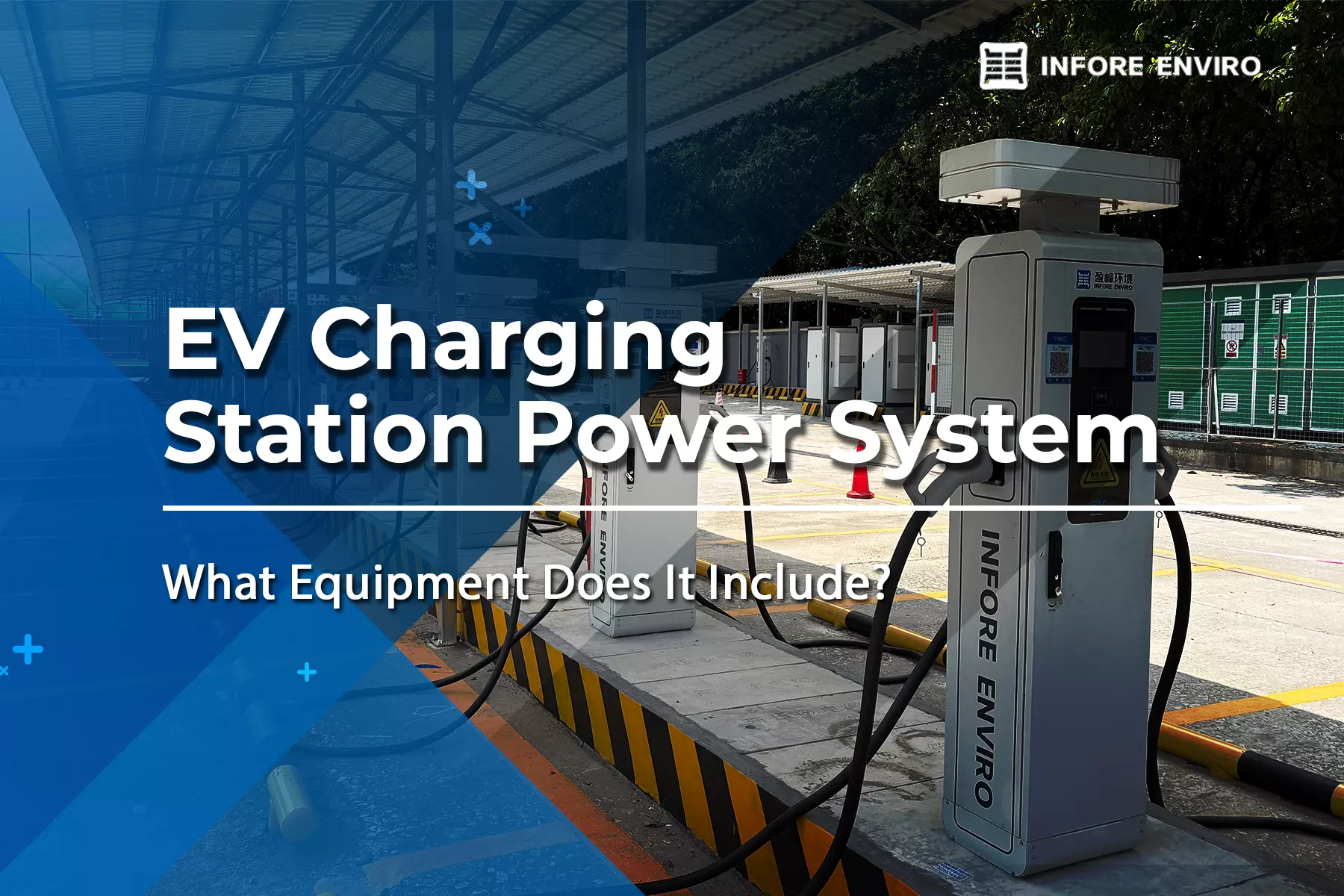
A published INFORE ENVIRO project in Foshan illustrates this principle in a different fleet-adjacent context. The site features an employee charging station that pairs distributed alternating-current charging with higher-power direct-current capability, offering both broad accessibility and faster charging options when needed.
For a commercial fleet, the same design logic can be adapted to vehicle schedules. The goal is not to make every bay identical. It is to place higher charging capacity where faster turnaround produces a meaningful operational benefit.
Turn Available Power Into a Managed Resource
Electrical capacity can become the hidden constraint in a depot. If many vehicles begin charging together, the theoretical output of the chargers may exceed what the site’s electrical infrastructure can comfortably provide.
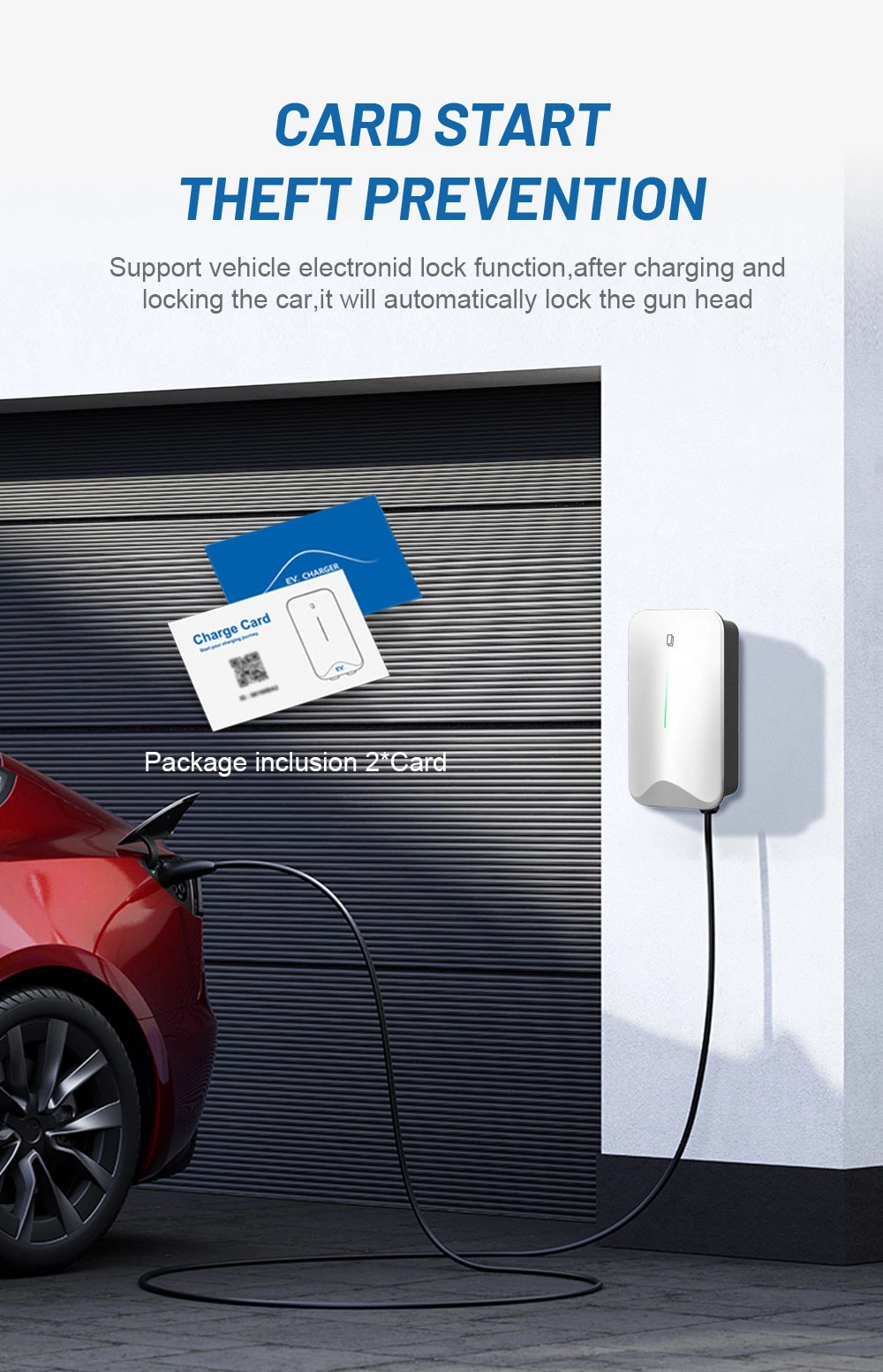
Smart charging can change the equation. Charging sessions can be scheduled, prioritized, or adjusted according to available capacity. INFORE ENVIRO equipment includes intelligent charging functions and dynamic load-balancing options on selected models, supporting coordinated use of site power.
Consider ten vans arriving within the same 30-minute period. Instead of treating all ten charging sessions identically, the system can prioritize vehicles leaving earliest while managing the remaining demand around site limitations.
Let the Site Design Anticipate the Next Vehicles
Fleet electrification is rarely a one-time event. A company may begin with a handful of electric vans and later add trucks, buses, or additional delivery vehicles. Charger locations, cable routes, switchgear, communications, and available electrical capacity should therefore be considered with expansion in mind.
A useful design does not require every future charger to be installed immediately. It should, however, avoid making future additions unnecessarily disruptive or expensive.
High-power infrastructure is likely to become increasingly important as vehicle utilization rises. A Foshan project reported by INFORE ENVIRO demonstrates how higher-power charging can support intensive fleet operations, having deployed multiple high-capacity DC chargers to serve both light truck fleets and public vehicles.
Judge the Solution by the Morning Departure
The most useful performance test is not the charger’s maximum rating. It is whether the fleet is ready when drivers need to leave.
Suppose a depot has 40 electric vehicles but only 30 need charging each night. If the system can consistently deliver the required energy before departure, installing ten additional high-power chargers may add cost without improving fleet availability.
This is why we evaluate fleet EV charging solutions against practical outcomes: vehicles ready on schedule, charging resources used efficiently, manageable electrical demand, and a site that can accommodate operational changes.
Treat Installation as an Operational Design Exercise
Equipment selection and site installation should be connected from the beginning. A proper EV charging installation project considers the charger mix alongside parking arrangements, electrical distribution, communications, protection, commissioning, and the fleet’s daily workflow.
The strongest approach is therefore neither “AC everywhere” nor “maximum DC everywhere.” It is a coordinated charging system built around the fleet’s actual duty cycle. Our role at INFORE ENVIRO is to connect charging equipment with the wider project requirements, from solution design through deployment.
Ultimately, the optimal fleet charging ecosystem is one that effectively removes charging from the operational equation—transforming it from a variable of concern into a seamless, invisible utility. If vehicles receive the energy they need, power is managed intelligently, and the infrastructure can grow with the fleet, the charging depot becomes a dependable part of the transportation operation rather than another bottleneck.
.webp)