EV charging equipment cannot be selected by power rating alone. Connector design, communication method, electrical requirements, certification, and local infrastructure all affect whether a charger can operate in a target market. For B2B buyers, these differences influence product sourcing, installation planning, and later maintenance.
A CCS DC fast charger prepared for Europe may not use the same interface or compliance path as equipment intended for North America or China. Understanding the main regional differences helps project teams avoid mismatched connectors, incomplete certification, and unnecessary redesign before deployment.
Europe Uses a Defined Connector Framework
European charging projects commonly use Type 2 for AC charging and CCS2, also called Combo 2, for DC charging. This creates a clear interface framework for many public and commercial charging applications. Project teams still need to review local electrical rules, installation requirements, and certification documents for the country where the equipment will operate.
The EU EV charger standard also places strong emphasis on interoperability. Hardware must work with the vehicle interface, while charging equipment may also need to communicate with management platforms used by operators. For commercial projects, this makes connector choice only one part of the technical review.
We normally advise B2B customers to confirm vehicle types, expected charging power, site voltage, connector configuration, and operating environment before product selection. These points help determine whether a European configuration fits the planned charging scenario.
North American Projects Follow a Different Path
North America has a different connector landscape. CCS1 has been widely used for DC fast charging, while SAE J3400, based on the North American Charging System, has become an important part of newer charging planning. This means buyers may need to evaluate vehicle compatibility across more than one connector type.
Electrical infrastructure also differs from European projects. Site voltage, upstream distribution design, local installation practice, and utility requirements can affect charger configuration. A model developed for one market should not be transferred to another market only by changing the charging gun.
For distributors and charging operators, the practical question is which vehicles will use the site during the equipment’s expected service period. Vehicle mix can influence connector selection, cable configuration, and the number of charging points required.
China Uses Its Own GB/T System
China uses the GB/T charging interface system for conductive EV charging. Its connector design and communication approach differ from CCS-based equipment. As a result, charging stations intended for China require hardware and control configurations developed for that market rather than a simple connector replacement.
Certification and documentation also need separate attention. Buyers sourcing equipment for several regions should keep technical files organized by market. Connector drawings, electrical specifications, communication requirements, certificates, and test records should match the destination of each product.
This is especially important for OEM and distribution projects. One charger housing may support different regional versions, but the internal design, connector, software, and compliance work can still change between markets.
How a European High-Power Charger Is Configured
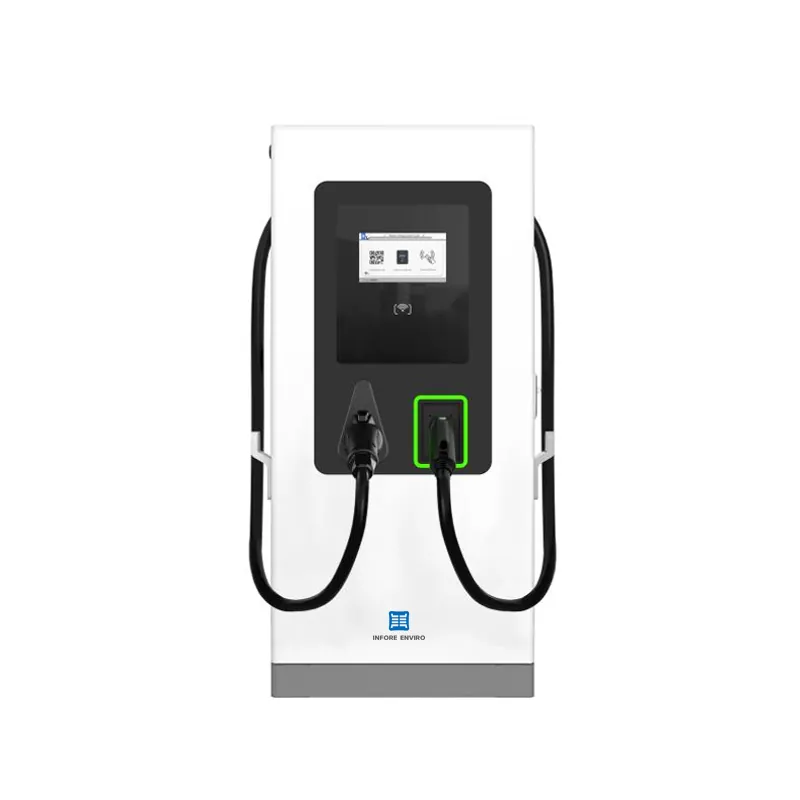
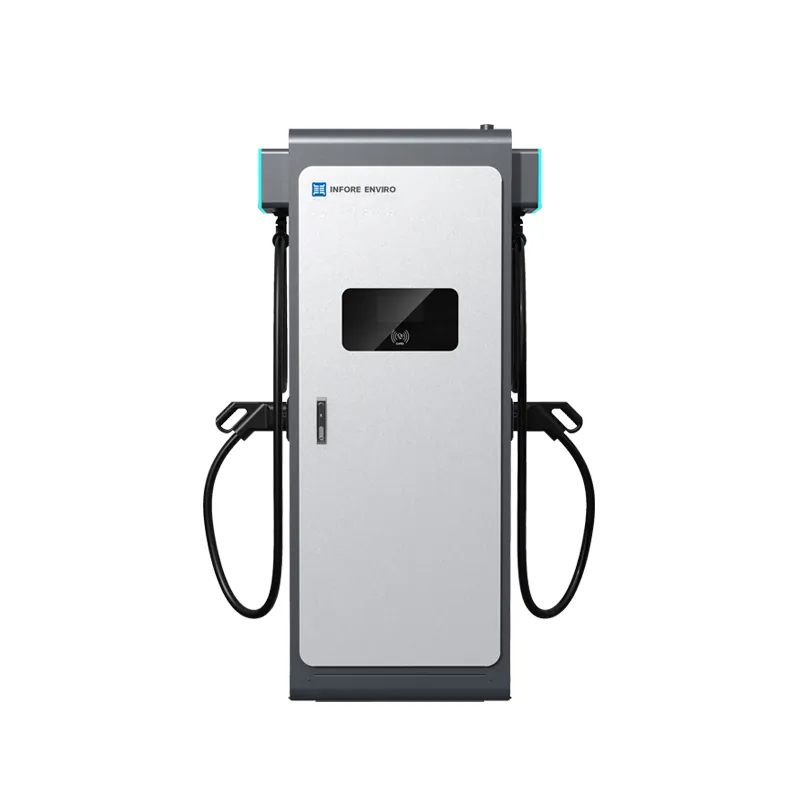
A practical example is our 160kW DC High Power Charging Station. This floor-standing unit is designed for public and commercial charging, including fleet depots, logistics hubs, and airport charging locations. It uses two CCS2 charging guns to support dual-gun operation in high-traffic environments.
The station includes a 7-inch LCD screen, OCPP 1.6J communication, an IP54 enclosure, and CE and RoHS compliance. These specifications make it suitable for projects where European connector compatibility, network communication, and outdoor protection are part of the purchasing requirements.
At INFORE ENVIRO, we develop charging equipment around different project conditions rather than treating regional versions as identical products. Our technical team includes more than 100 personnel, with more than 20 staff members involved in testing. We also maintain more than 30 patents and invest about 25% in research and development.
Communication and Back-End Compatibility Matter
Regional differences are not limited to physical connectors. Commercial charging networks also depend on charger-to-platform communication. OCPP is commonly used by operators that need remote monitoring, charging records, status management, and integration with back-end systems.
However, protocol support should be checked together with the platform version and project functions. A charger may support a standard protocol but still require configuration for the operator’s software environment. Testing communication before site deployment can reduce commissioning problems.
For a CCS DC fast charger, B2B buyers should therefore review both vehicle-side compatibility and platform-side compatibility. The charging gun determines whether the vehicle can connect, while communication functions influence how the station is managed after installation.
Regional Selection Starts With the Project
Choosing between European and global charging configurations begins with the destination market. Buyers should identify the vehicle connector system, available site power, required certifications, network protocol, environmental conditions, and expected traffic level before comparing quotations.
We at INFORE ENVIRO use these project details to match charging equipment with the intended market and application. This approach is especially useful for distributors, fleet projects, and commercial charging operators that may purchase different configurations for different regions.
The key difference between regional charging systems is not only the shape of the connector. Hardware interfaces, electrical design, communication, certification, and installation practice work together. Reviewing these factors early helps B2B teams select equipment that fits the target market and reduces avoidable changes during commissioning.