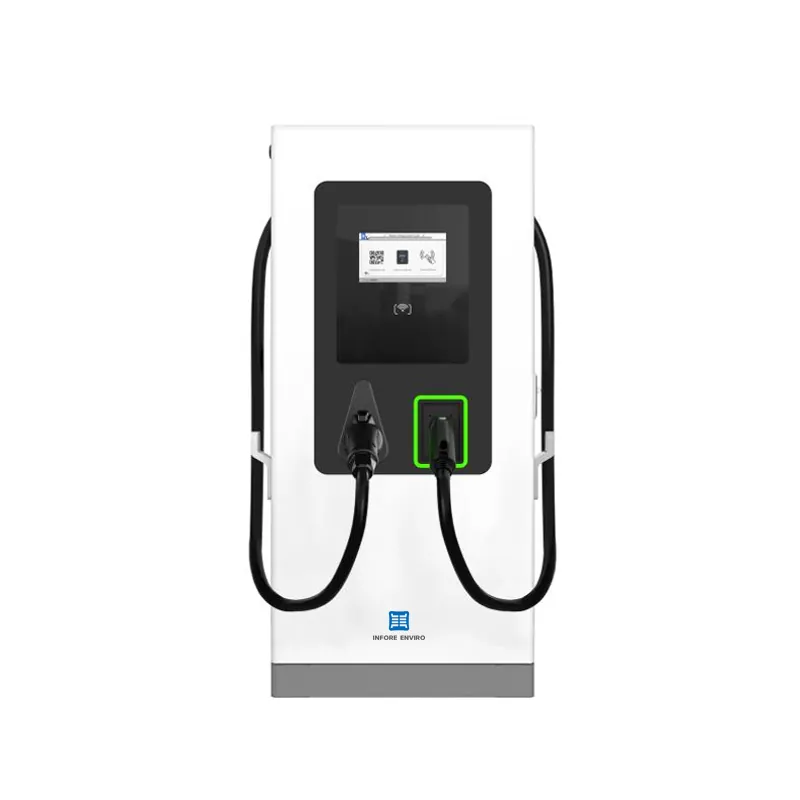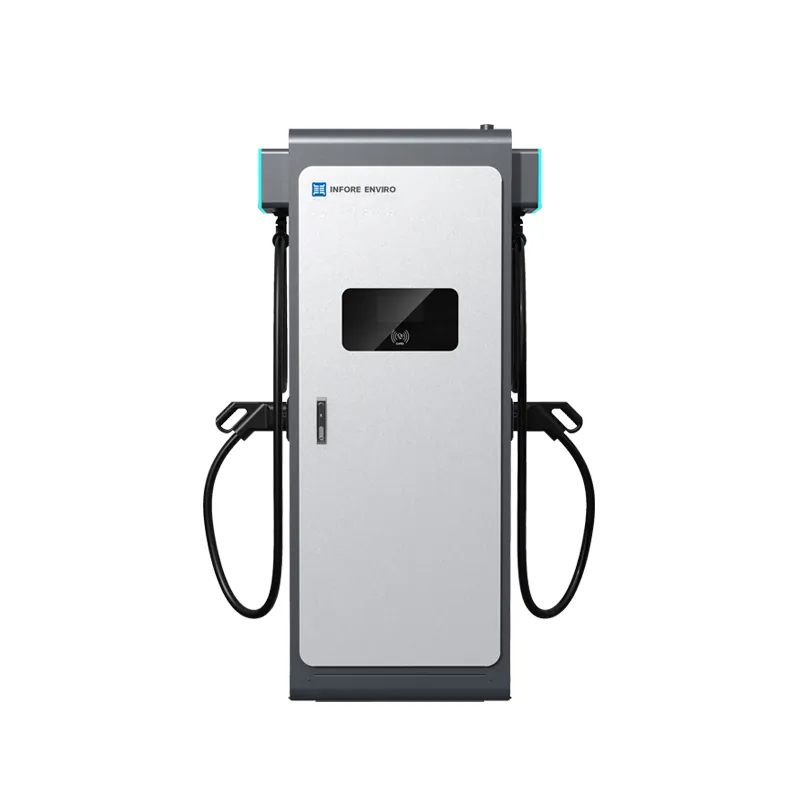
A Level 3 DC fast charger supplies direct current (DC) to an electric vehicle (EV) battery, allowing substantially faster charging than typical AC equipment. For fleet operators, dealerships, parking facility developers, wholesalers, and installers, choosing a charger means balancing power, vehicle compatibility, site capacity, and operating costs.
Understanding these factors helps businesses select equipment that matches their vehicles and daily charging schedules.
What Is a Level 3 DC Fast Charger and How Does It Work?
A Level 3 DC fast charger converts incoming electricity to DC within the charging station and delivers it to the vehicle’s battery. This differs from AC charging, where the vehicle’s onboard charger converts alternating current to DC.
How Does DC Fast Charging Differ From AC Charging?
Because conversion takes place in the station, DC equipment can support higher power levels than many AC chargers. AC charging is often practical when vehicles remain parked for hours; DC fast charging is useful when vehicles need to return to service sooner.
Where Is Level 3 Charging Most Useful?
DC fast charging is suited to sites where vehicle turnover matters, including:
- Fleet depots: recharge delivery, logistics, or service vehicles between routes.
- Highway service areas: support drivers during shorter stops.
- Dealerships and public charging sites: serve customers who need convenient charging.
- Commercial parking facilities: offer a fast-charging option where long dwell times are not guaranteed.
How Fast Can a Level 3 DC Fast Charger Charge an EV?
Charging speed depends on the station’s rated output, the vehicle’s maximum charging rate, battery temperature, state of charge, and available site power. A charger cannot make a vehicle accept more power than its charging system supports.
What Does a 350 kW DC Fast Charger Rating Mean?
A 350 kW DC fast charger has a maximum rated power output of 350 kilowatts (kW). Kilowatts measure the rate of power delivery, while kilowatt-hours (kWh) measure energy. At a constant 350 kW, 15 minutes of charging would theoretically deliver 87.5 kWh; real sessions may deliver less as power varies and system losses occur.
Why Doesn’t Every EV Charge at the Maximum Rated Power?
Battery management systems regulate charging to protect the battery. Power often tapers as the battery fills, and temperature can also affect the rate. Buyers should therefore compare charger output with the vehicles they expect to serve instead of assuming every EV can use the station’s full rating. The U.S. Environmental Protection Agency explains these considerations in its EV charging guidance.
How Does Level 3 Charging Compare With Level 2 Charging?
Level 2 AC charging generally suits longer parking periods, while Level 3 DC charging is designed for situations where charging time is a priority. The right choice depends on dwell time, daily energy demand, and electrical capacity.
Which Charging Level Suits Different Business Scenarios?
A depot with overnight parking may use AC chargers for some vehicles, while multi-shift fleets may need DC charging between routes. Public sites can combine power levels to serve different customer needs.
| Consideration | Level 2 AC | Level 3 DC fast charging |
| Typical use | Workplace and long-stay parking | Fleet turnover and short stops |
| Charging duration | Often several hours | Potentially shorter; vehicle-dependent |
| Site requirements | Typically lower power | Higher power and careful load planning |
| Best fit | Vehicles parked for extended periods | Vehicles that need to return to service quickly |
How Can Businesses Choose a Level 3 DC Fast Charger?
Before selecting a Level 3 DC fast charger, businesses should assess vehicle compatibility, site power, connector standards, software integration, environmental conditions, and after-sales support. These factors affect installation costs and daily operations.
What Should Fleet Operators and Charging Site Developers Evaluate?
- Vehicle compatibility: check connector type, voltage range, and supported charging rate.
- Electrical capacity: confirm grid supply and simultaneous charging demand.
- Load management: consider dynamic load balancing to manage peak demand where supported.
- Network integration: check communication protocols, remote monitoring, and diagnostics.
- Site conditions: match protection ratings and operating temperatures to the installation environment.
- Supplier support: confirm warranty, spare parts, customization, and delivery arrangements.
How Does INFORE ENVIRO Support Commercial Charging Projects?
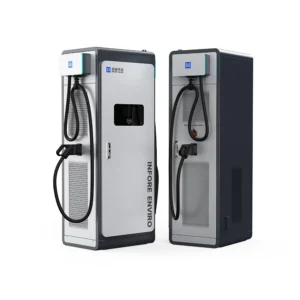
INFORE ENVIRO offers commercial DC fast charging solutions for fleet and other business applications. Its Astra Series DC charging station has a rated power range of 240–480 kW, features two CCS2 connectors, and supports OCPP 1.6J, with OCPP 2.0 available as an option.
The product specifications also list a 10.1-inch touchscreen, IP54 protection, and 4G, Wi-Fi, Bluetooth, and Ethernet connectivity. These features may be relevant to operators who need network integration and remote oversight.
Beyond the Astra Series, INFORE ENVIRO provides AC and DC charging equipment for different operating environments. This gives businesses flexibility when planning sites with varied parking durations, vehicle types, and charging demands. Fleet operators and site developers can compare available configurations to select equipment that fits their electrical capacity and daily operations.
Is Investing in Level 3 DC Fast Charging Worth It?
Investing in Level 3 DC fast charging can make financial sense when faster charging supports higher vehicle utilization, attracts charging customers, or creates additional revenue opportunities. However, the business case depends on site utilization, electricity costs, installation expenses, and the time required to recover the initial investment.
How Should Businesses Evaluate the Total Cost of Ownership?
Businesses should assess the total cost of ownership (TCO), not just the purchase price of the charging equipment. The investment includes hardware, installation, electrical infrastructure upgrades, software services, maintenance, and electricity costs over the equipment’s operating life.
For example, a high-power charger installed at a busy highway service area may serve multiple vehicles throughout the day. The same equipment at a location with limited demand could remain underused, making its higher upfront cost harder to justify.
Before approving a project, decision-makers should estimate expected charging sessions, average energy delivered per session, operating expenses, and annual maintenance costs. Comparing conservative, expected, and high-utilization scenarios can reveal how sensitive the investment is to changes in demand.
How Can DC Fast Charging Create Business Value?
The financial benefits vary by business model. Public charging operators may earn revenue from charging fees, while fleet owners may benefit from reducing vehicle downtime and keeping vehicles available for scheduled routes. Commercial property owners may use charging facilities to attract tenants, visitors, or customers, although the actual benefit depends on local demand and operating arrangements.
Businesses should also consider future expansion. A charging installation that can accommodate additional equipment or integrate with energy management systems may reduce the disruption associated with later growth. However, expansion plans should be supported by realistic demand forecasts rather than assumptions about future utilization.
Ultimately, Level 3 DC fast charging is most attractive when projected operating benefits justify the full investment and ongoing costs. A phased rollout, supported by demand data and a clear financial forecast, can help businesses limit initial exposure while preparing for future charging needs.