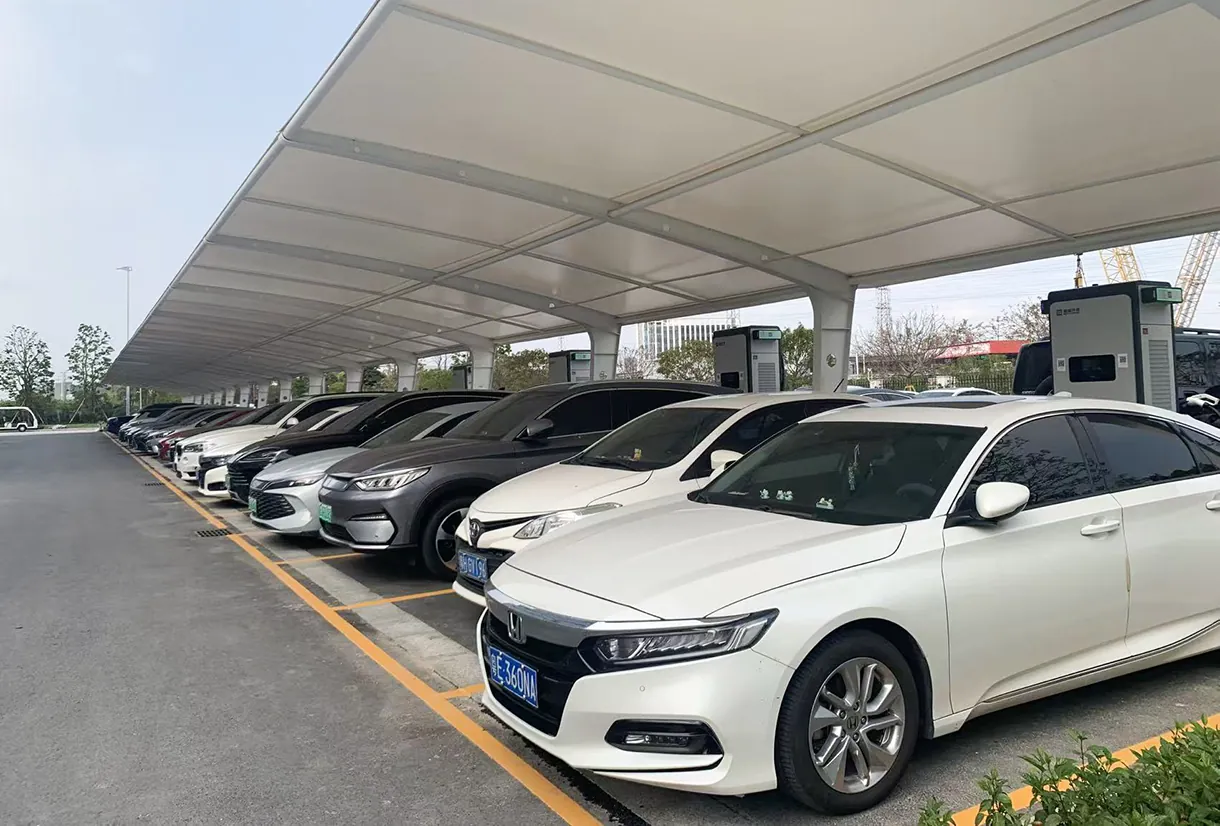
Public charging revenue depends on more than electricity sales. It depends on how quickly drivers can start a session, how efficiently each bay is used, and whether operators can track usage clearly enough to adjust pricing, maintenance, and future expansion.
For B2B buyers in CCS2 markets, a CCS DC fast charger is useful for sites that need higher turnover, such as highway stops, airport charging areas, fleet depots, CPO stations, and busy retail destinations.
The value is not only in the power rating. When connector access, network control, user authentication, and site layout work together, the charger can help operators turn daily traffic into more manageable paid charging sessions.
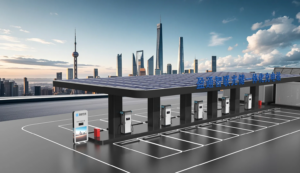
How Does a CCS DC Fast Charger Create More Revenue Opportunities?
A CCS DC fast charger improves revenue by helping one charging bay serve more vehicles during the day.
When charging time drops, the same parking space can handle more sessions. DC fast charging can significantly reduce charging time compared with AC charging, which helps improve bay turnover in public charging scenarios.
Revenue also depends on pricing design. Site hosts may charge fees to recover operating costs or generate charging revenue. Utilization rate can also affect pricing structure and return on investment.
Key revenue levers:
- Shorter session time means more vehicle turnover.
- Networked payment supports paid access.
- Usage data helps guide pricing and expansion.
Therefore, the charger should support the business model. A highway site may focus on paid sessions. EV charging stations for fleets may focus on reducing idle time and protecting dispatch schedules.
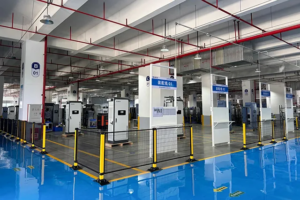
Why Does CCS2 Matter for European Charging Stations?
CCS2 matters because it helps charging stations meet European interoperability expectations for DC high-power charging.
In European DC high-power charging projects, CCS/Combo 2 connectors are commonly required for interoperability. That makes a CCS2 fast charger practical for European public, fleet, and corridor projects.
Power level also matters. In many public charging projects, 150kW and above is commonly treated as high-power DC charging. In many industry classifications, 150kW and above is treated as ultra-fast DC charging.
| Standard question | Practical answer |
| Connector fit | CCS2 supports EU DC high-power interoperability. |
| Power category | 160kW falls into the 150kW-plus ultra-fast range. |
| Buyer concern | Match local vehicles and site demand. |
For European projects, connector selection is not only a compliance issue. It also affects user confidence. Drivers are more likely to choose a station when the connector is familiar and access is simple. For operators, compatibility turns demand into paid use instead of failed visits.
How Can Dual-Gun Charging Improve Site Efficiency?
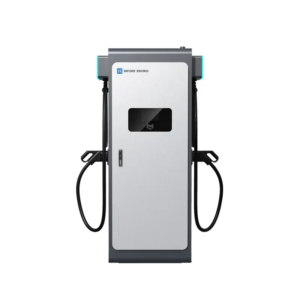
A dual-gun DC fast charger can improve site layout efficiency by providing two CCS2 connectors from one charger body.
This matters when the site has limited electrical rooms, limited parking bays, or high civil-work costs. Operators can design around connector count, traffic flow, and queue control.
Common setup logic:
- Single-port DC charger: lower-traffic sites.
- Dual-gun DC fast charger: busy public sites and depots.
- EV charger pedestal: AC or lower-power parking layouts.
- Floor-stand DC charger: high-power DC charging equipment.
A pedestal EV charger can work for long-dwell parking. However, station revenue from DC charging usually depends on bay turnover. A floor-stand charger with two guns suits compact placement and visible user interaction.
For example, airport EV charging often has high turnover pressure from ride-hailing operators, rental users, staff, and visitors. For fleet EV charging stations, the same logic applies: vehicles need to be ready before the next route.
How Does INFORE ENVIRO Support Revenue-Focused Charging Projects?
INFORE ENVIRO supports revenue-focused projects with a 160kW floor-stand CCS2 charger designed for networked operation.
We describe ourselves as a professional manufacturer dedicated to the R&D, design, production, sales, and service of EV charging equipment. We provide charging solutions for CPO, destination, and fleet scenarios, which are closely related to revenue-focused station planning.
The verified product page lists a 2-gun 160kW INFORE ENVIRO DC EV charging station with two CCS2 ports, floor-stand installation, a 7-inch LCD screen, OCPP 1.6J, IP54 protection, CE and RoHS markings, 4G/Ethernet networking, and APP/RFID startup.
Verified product points:
- For CPO sites: dual CCS2 ports help serve more vehicles within limited parking space.
- For fleet depots: app/RFID startup helps manage different drivers and vehicle groups.
- For airport EV charging: floor-stand design and clear screen interaction support visible, fast user operation.
- For destination sites: OCPP and networking help operators monitor usage and plan future expansion.
These details matter because revenue depends on daily operation. OCPP 1.6J helps connect the charger with management platforms. RFID and app startup support different user groups.
The product can be described as a 160kW EU standard dual-gun EV charger for projects that need CCS2 compatibility and networked control, including CPO sites, EV charging stations for fleets, and busy destinations.
B2B buyers can review INFORE ENVIRO EV charging solutions on the homepage and compare Flash Series details on the official 160kW CCS2 DC fast charger page before building a site specification.
Conclusion: How Should B2B Buyers Choose a CCS DC Fast Charger?
B2B buyers should choose a CCS DC fast charger by matching charger power, connector type, session flow, and network features to the revenue model.
A charger does not improve revenue by power rating alone. Revenue comes from the full operating loop: compatible vehicles arrive, sessions start smoothly, bays turn over, and utilization data guides the next investment.
Decision guide:
- Serving CCS2 vehicles? Prioritize CCS2 compatibility.
- High turnover demand? Consider dual-gun DC charging.
- Paid access needed? Check networking and startup modes.
- Expansion likely? Track utilization before adding more chargers.
For fleet depots, airport EV charging, highway stops, and CPO stations, the strongest choice reduces waiting, supports standard connectors, and gives operators control over access and data.
That is why a CCS2 160kW dual-gun floor-stand charger can be a practical revenue asset. It can help operators improve charging turnover while keeping sessions measurable and manageable. Contact us to discuss your station scenario, CCS2 charging requirements, and revenue-focused EV charging solution.
Resource
- CCS DC fast charger: https://www.int-ev.com/product/2-guns-160kw-dc-ev-charging-station-ccs2/
- Dual-gun DC fast charger: https://www.int-ev.com/product/2-guns-160kw-dc-ev-charging-station-ccs2/
- INFORE ENVIRO: https://www.int-ev.com/
- Contact us: https://www.int-ev.com/
.webp)