At a fleet depot, we would never treat a commercial EV charging station as a simple plug-and-play device. A 160 kW DC charger, for example, has very different electrical requirements from a 7 kW or 22 kW AC unit. If the site power, protection system, cables, grounding, and installation environment are not properly matched, the charger may not perform as expected. For B2B projects, safe installation starts with engineering decisions made before the equipment reaches the site.
Start With Electrical Capacity, Not Charger Quantity
When we review a charging project, the first question we ask is whether the existing electrical infrastructure can support the planned charging load. The answer depends on charger power, the number of units, operating schedules, and how many chargers may run simultaneously.
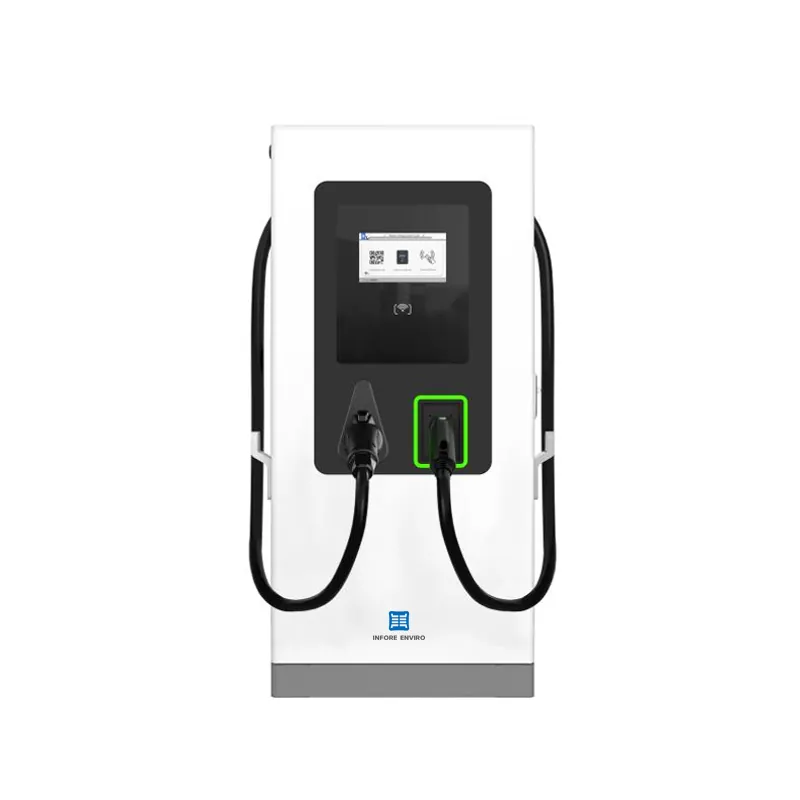
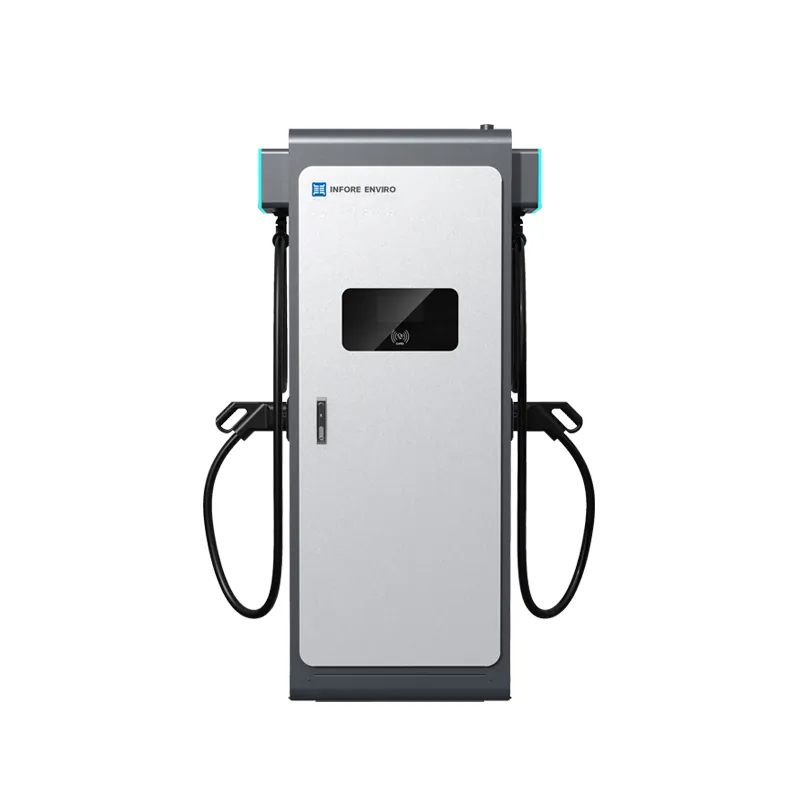
INFORE ENVIRO’s current range covers AC charging at 7 kW, 11 kW, and 22 kW, while its DC portfolio extends from compact charging equipment to high-power 480 kW systems. This gives distributors, fleet operators, and project integrators several power levels to consider, but it also means site assessment cannot be skipped. For example, our 160 kW DC fast charger is rated for AC400V±15% input and DC200–1000V output. It supports two CCS2 charging guns and has a maximum output current of up to 200A or 250A, depending on the specified configuration. These figures directly affect the electrical design of the installation.
We would therefore ask an electrical engineer to check the incoming supply, distribution equipment, cable sizing, circuit protection, and expected peak load before the equipment is ordered. This is particularly important at fleet depots, where multiple vehicles can return for charging at similar times.
Why Installation Quality Affects Protection
A charger can have built-in safety functions, but those functions do not eliminate the need for correct site installation. We look at grounding, circuit protection, cable routing, emergency isolation, and physical clearance as part of the same safety discussion.
Our 160 kW model, for instance, includes protection for undervoltage, overvoltage, DC overcurrent, over-temperature, surge events, and emergency stop conditions. It also uses intelligent air cooling and is designed for floor-standing installation.
Environmental protection is another specification we would not overlook. The same 160 kW model is rated IP54. That rating is useful information for project planning, but we would not interpret it as permission to ignore site conditions. Drainage, mounting location, water exposure, dust, cable entry, and local installation requirements still need to be evaluated.
Different models can have different IP ratings. For example, INFORE ENVIRO’s Carina 14–42 kW commercial floor-mounted charger is also specified as IP54, while other products have different enclosure specifications. Procurement teams should therefore check the exact model’s datasheet rather than applying one IP rating to the entire product range.
Where Professional Installation Becomes Essential
From our experience reviewing commercial charging specifications, this is where professional commercial EV charger installation becomes critical. The installer needs to translate the product specification into a real electrical and physical setup.
A fleet depot may require several DC chargers, while a commercial parking facility may use lower-power AC units for longer parking periods. The installation method should reflect the actual operating scenario. It should also leave enough space for inspection and maintenance.
Connector standards must be checked at the same time. INFORE ENVIRO offers equipment using Type 2, CCS2, and GB/T configurations across different products and markets. Choosing the correct connector is not simply a purchasing preference. It affects vehicle compatibility and the regional requirements of the charging project.
Communication infrastructure also deserves attention. Commercial charging equipment may need to connect to a management platform for monitoring, scheduling, and remote operation. The 160 kW model supports OCPP 1.6J and networking through 4G or Ethernet. If the communication hardware or network environment is poorly planned, a charger can be electrically functional but difficult to manage remotely.
Think About Safety During the Whole Project
We also recommend looking beyond the installation day. For B2B buyers, a charging project may involve dozens of units, several locations, or future expansion. A standardized installation method can make commissioning, maintenance, and troubleshooting much easier.
This is where supplier capability matters. INFORE ENVIRO states that it supports OEM and ODM customization, including customized design, branding, hardware configuration, software integration, and packaging. Its official materials also identify commercial AC and DC charging products for workplaces, parking facilities, fleet operations, and other business applications.
For distributors and project integrators, we would also check documentation before placing a purchase order. The relevant questions include: What input voltage does the selected model require? What is its rated power? Which connector does it use? What is its IP rating? Which protection functions are included? Does it support OCPP? What certifications apply to the target market?
These questions help prevent a common procurement problem: selecting a technically attractive charger without confirming whether it actually fits the project infrastructure.
What We Would Check Before Requesting a Quote
Before requesting a quotation, we would prepare the site voltage, required charging power, connector standard, installation environment, number of chargers, and expected simultaneous charging demand.
We would then compare those requirements against the exact product specification. INFORE ENVIRO’s 160 kW CCS2 model, for example, specifies IP54 protection, OCPP 1.6J, CE and RoHS, a two-gun CCS2 configuration, and a two-year warranty with 7×24-hour after-sales response.
We would also consider manufacturing and delivery requirements early. The company describes itself as a China EV charger manufacturer with in-house R&D and production capabilities, while its business materials highlight OEM/ODM support for B2B customers. These details can matter when distributors need customized equipment or when a project has a fixed deployment schedule.
For us, safe commercial charging starts long before the charger is energized. The equipment specification, electrical infrastructure, installation environment, protection system, connector standard, and communication network all need to work together. A professional installation process helps ensure that the hardware selected on paper can operate properly in the real project.
That is why we would evaluate INFORE ENVIRO not only by its charger models, but also by the technical specifications, applicable certifications, OEM/ODM capability, and support information provided for the specific project.