Upgrading a commercial facility for electric transport often stalls at the electrical service panel. Engineers discover late in the design phase that simultaneous vehicle plug-ins trigger severe demand surcharges or trip main breakers. Executing an EV charging installation project demands a detailed electrical grid capacity assessment before issuing equipment purchase orders. We help project developers analyze upstream transformer limits, duty cycle concurrency, and service switchgear headroom.
Scaling facilities from pilot stalls into multi-lane charging corridors shifts engineering priorities toward load balancing and component resilience. Inadequate cable cross-sections and mismatched station amperages lead to continuous thermal throttling. Contracting directly with a specialized hardware producer gives engineering teams full control over electrical characteristics and enclosure standards. We focus on building reliable, spec-compliant hardware that integrates smoothly into complex power distribution layouts.
Evaluating Substation Headroom for Fleet and Office Parking
A thorough grid evaluation maps daily facility energy profiles against spare transformer capacity. Corporate campuses and light-industrial sites must prioritize energy availability for essential building operations like HVAC systems. Deploying dedicated workplace EV charging solutions requires balancing steady vehicle dwell times against available electrical panel reserves. This strategic planning prevents peak demand utility penalties and localized facility brownouts.
Where facility electrical panels show limited surplus amperage, alternating current chargers provide a practical way to scale charging points safely. Our self-developed AC line offers 7 kW, 11 kW, and 22 kW power ratings to suit diverse electrical panel constraints. For open workplace parking bays, the 11kW EV charger features an IP55 ingress protection rating, shielding electronics against airborne debris and rain.
Residential annexes operate under strict local metering guidelines. Upgrading dedicated transformer connections for residential zones is often cost-prohibitive. For these locations, our AC 7kW home EV charging station delivers reliable overnight charging performance inside an IP65 rated weather-sealed enclosure. It operates smoothly in uncovered outdoor stalls subject to driving rain and extreme temperature swings.
Maximizing stall density without overhauling upstream distribution boards requires space-efficient hardware configurations. Sourcing equipment supporting multi-vehicle charging from single feed lines reduces trenching and electrical conduit expenses. For commercial parking facilities, our dual-gun Type 2 AC charger features a rugged IP54 housing. This allows two adjacent parking bays to draw power from one compact pedestal without congesting driveway layouts.
High-Amperage Hardware and Regional Electrical Certifications
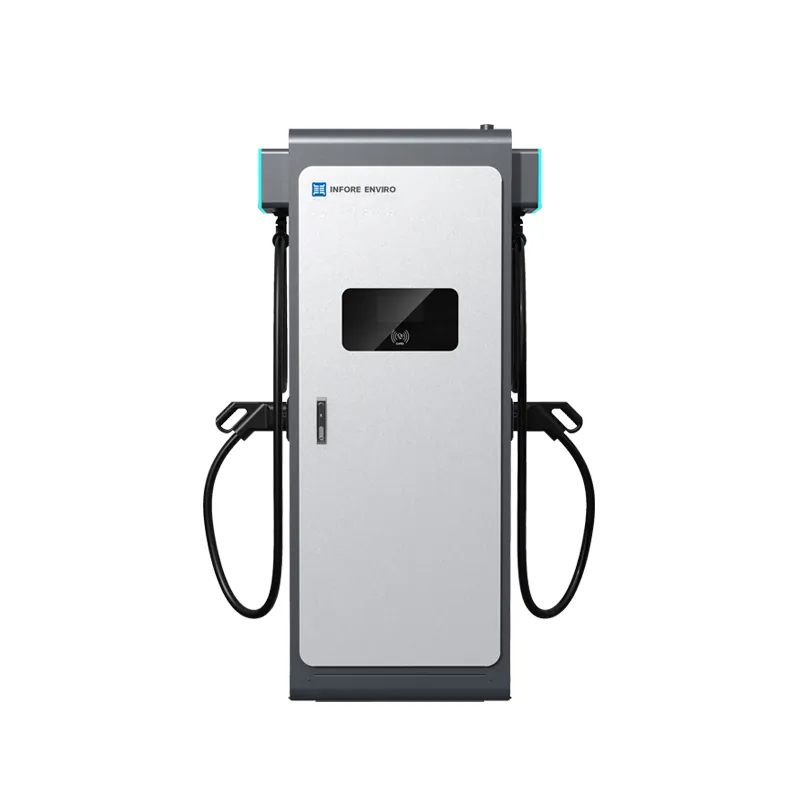
For sites with access to medium-voltage distribution substations, direct current fast chargers provide rapid battery replenishment. Our DC product range extends from 30 kW up to high-capacity 480 kW stations. Fleet operators handling heavy transport depend on our 160kW DC EV charging station. Enclosed in an IP54 cabinet, this dual-port unit handles high throughput in demanding logistics environments.
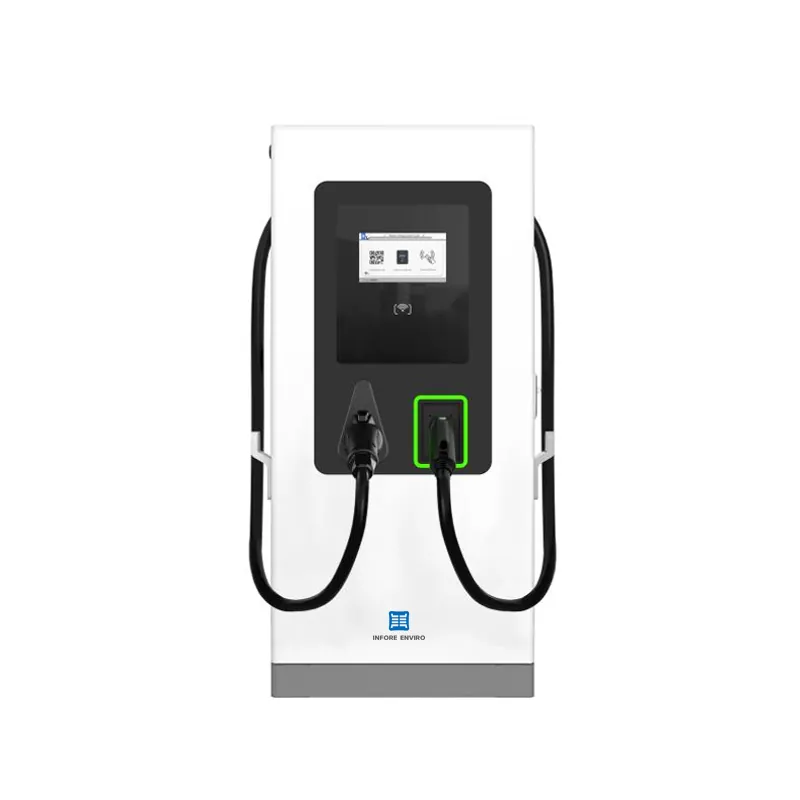
When transformer capacity is constrained, hybrid hardware helps balance different charging speeds across a shared service panel. Our versatile integrated AC/DC charging station combines a DC 60kW rapid port with an AC 22kW connection inside an IP54 sealed enclosure. This setup lets sites power both short-stay delivery vehicles and long-dwell fleet vans from a single utility connection, optimizing infrastructure budgets.
Electrical compliance must be verified to prevent local utility inspectors from withholding final sign-off. We manufacture stations compliant with China GB/T, European Type 2, and CCS2 interface formats. Our production portfolio holds domestic CCC certification alongside international CE, CB, and RoHS marks. These formal certifications prove that our internal isolation relays, ground fault detectors, and surge protection devices handle extreme voltage variations safely.
Predictable Factory Output and Native Protocol Integration
Reliable infrastructure rollouts depend on steady factory output and rigorous quality assurance. We operate a 12,000 square meter manufacturing plant that maintains high-volume production schedules. This stable industrial base ensures a predictable 30 to 45 day order lead time. Electrical contractors can confidently coordinate equipment arrival with complex switchgear upgrades, civil excavation, and heavy cable pulls without fearing supply chain delays.
Advanced charging networks also require standardized software communication to manage dynamic load sharing across multiple stalls. We integrate native Open Charge Point Protocol (OCPP) firmware into our hardware. This universal architecture allows operators to connect stations directly to backend monitoring software. Network managers can easily automate load shifting during peak rate periods and run remote diagnostics without restrictive vendor lock-in.
Service Level Audits for Long-Term Procurement Success
Signing a high-capacity equipment contract requires verifying long-term field support capabilities alongside base hardware prices. Unplanned equipment failures reduce operational uptime and create costly logistics delays. We recommend procurement teams review maintenance service level agreements, spare parts inventory access, and factory warranty coverage before ordering. Investing in tested hardware paired with direct engineering support protects your overall commercial return on investment.
To protect commercial infrastructure investments, we provide a solid 2-year warranty across our entire charging product catalog. Our technical support division operates a dedicated 7×24 hour after-sales response service. This rapid service framework assists on-site electricians with troubleshooting and component replacement, keeping charging hubs operating consistently with minimal downtime. Fast intervention prevents minor grid anomalies from causing major operational bottlenecks.
Environmental ingress ratings must precisely align with actual physical installation conditions. Commercial cabinets placed near open coastlines or heavy washdown bays can suffer premature corrosion. Review our detailed technical data sheets to ensure specified IP54, IP55, or IP65 ratings match the localized microclimate of each parking stall. Proper environmental sealing prevents moisture ingress from compromising high-voltage internal circuitry.
Conducting a detailed grid audit and selecting matched, certified charging hardware builds a dependable commercial charging hub. Check that socket types, peak kilowatt outputs, and OCPP compatibility strictly meet regional grid interconnect requirements. With 10 years in OEM and ODM EVSE manufacturing, INFORE ENVIRO provides the proven hardware foundation your infrastructure requires. Thoughtful procurement guarantees your deployed network operates safely.