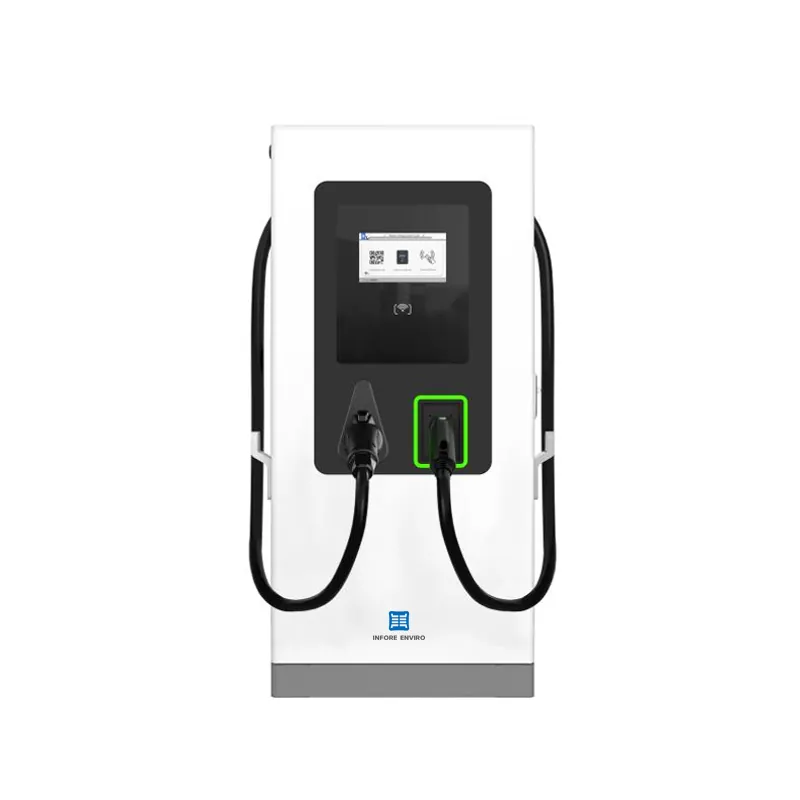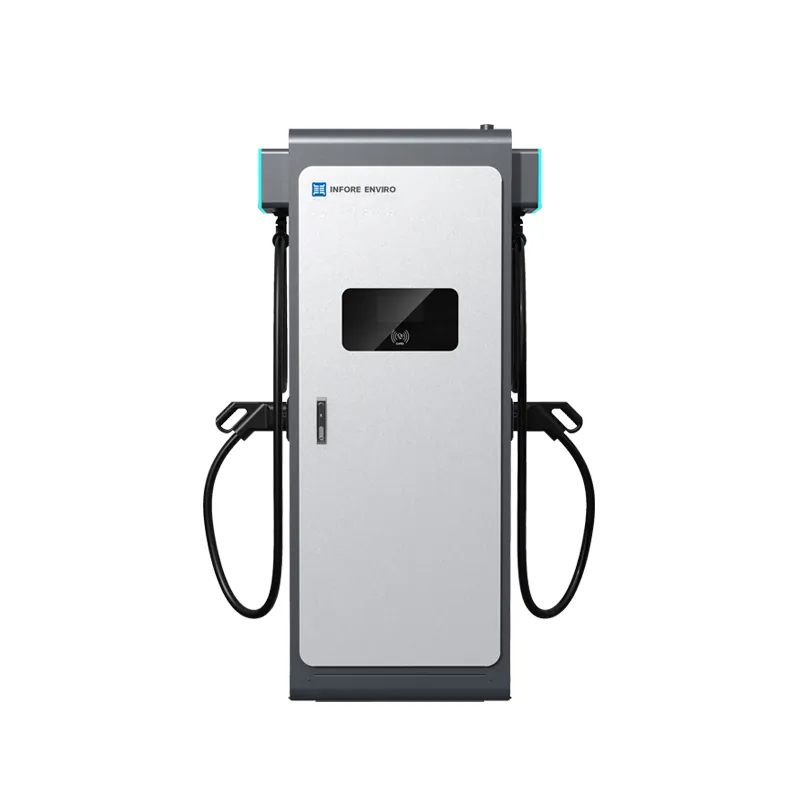
For EV charging distributors, project contractors, and commercial operators, supplier selection affects more than purchase price. Product configuration, certification, production capacity, technical communication, and after-sales support can influence the whole project cycle. Working directly with an EV charger factory can make these areas easier to coordinate, especially when projects involve different power levels, charging standards, or customized requirements.
Direct cooperation can also reduce information gaps between buyers and production teams. Instead of passing technical requirements through several trading layers, project teams can discuss specifications, schedules, testing, and certification needs with the manufacturer itself. This can make procurement decisions more practical and easier to manage.
Direct Technical Communication Improves Project Coordination
Charging projects often require more than choosing a power rating from a catalog. Buyers may need to consider connector standards, installation environments, platform communication, enclosure protection, or market certification.
Direct communication with the manufacturer gives buyers clearer access to engineers and technical teams. Questions about configuration changes, software functions, interface standards, and electrical design can be discussed earlier in the project.
For international buyers, this is especially useful when products need to match different market requirements. A China EV charger manufacturer with its own engineering and production resources can respond to these requirements from both development and manufacturing perspectives.
Customization Becomes Easier to Manage
Commercial charging projects can vary greatly. A workplace project may focus on AC charging, while a public charging site may need higher-power DC equipment. Fleet projects can also have different requirements for connector quantity, communication, and operating schedules.
Working directly with a factory gives buyers more room to discuss custom development. Our company supports independent R&D and production, which allows technical requirements to move directly into product evaluation and production planning.
We have more than 100 technical personnel, with R&D investment accounting for 25% of company resources. More than 20 testing personnel also support product verification. These resources help us handle customization work with a structured development process.
Production Capacity Supports More Predictable Delivery
Delivery is a major concern in B2B charging projects. Delays can affect site construction, electrical installation, commissioning, and final handover.
A manufacturer with its own production base can manage production scheduling more directly. Our factory covers about 12,000 square meters, and the standard delivery period is around 30 to 45 days, depending on project requirements and order arrangements.
Direct factory cooperation also gives buyers clearer information about production status. For an EV charger factory, production planning can be discussed together with order volume, customization needs, and certification requirements rather than being handled separately.
Certification Matters in International Projects
EV charging equipment needs to match the standards of the target market. Different regions use different charging interfaces, electrical requirements, and certification systems.
For China-oriented projects, products may need to comply with GB/T requirements and 3C certification. European projects may require Type 2 and CCS2 interfaces, while CE, CB, and RoHS certification can also be relevant during procurement and market entry.
These requirements should be reviewed before production starts. Early confirmation helps buyers avoid choosing a configuration that does not match the final installation market. This is one reason direct technical discussion with the manufacturer can be valuable.
Platform Compatibility Supports Daily Management
Hardware is only one part of commercial charging operations. Charging stations may also need to connect with management platforms for monitoring, session records, user management, or remote status checking.
Our management platform supports the standard OCPP protocol. This gives project teams a recognized communication basis when they need charging equipment to connect with compatible backend systems.
For distributors and operators, protocol compatibility can simplify later system integration. It also helps project planners consider software requirements during equipment selection rather than treating them as a separate issue after installation.
Product Reliability Depends on More Than Power
Charging equipment often operates in outdoor or semi-outdoor environments. Dust, rain, and changing weather conditions can affect long-term operation.
Product selection should therefore include enclosure protection, component design, testing procedures, and maintenance planning. Our products are designed with waterproof and dustproof protection according to the relevant product configuration.
Power selection is also important. Our product range covers 7kW, 11kW, 22kW, 44kW, 30kW, 40kW, 60kW, 120kW, 160kW, 180kW, 240kW, 360kW, and 480kW. This range supports different commercial charging applications and project scales.
After-Sales Support Affects Long-Term Cooperation
For B2B buyers, the relationship with a supplier usually continues after delivery. Installation questions, commissioning support, maintenance, and fault handling can all affect project operation.
We provide a two-year warranty and 7×24-hour after-sales response. This support structure gives distributors, contractors, and operators a clearer service channel when technical issues occur.
More than 10 years of industry experience also helps our team understand the practical concerns of commercial charging projects. INFORE ENVIRO uses this experience to support product development, manufacturing, testing, and after-sales coordination.
Building a More Efficient Supplier Relationship
Direct factory cooperation can make EV charger procurement more transparent and easier to control. Buyers can communicate technical requirements, certification needs, production schedules, platform compatibility, and service expectations through fewer layers.
For companies comparing suppliers, working with a China EV charger manufacturer can be especially useful when projects require customization, multiple power levels, or international certification support.
At INFORE ENVIRO, we focus on EV charging products for B2B markets and continue to develop our R&D, testing, and manufacturing capabilities. Direct cooperation allows project teams to connect procurement decisions more closely with real technical and production conditions, which can support smoother project planning and long-term business cooperation.