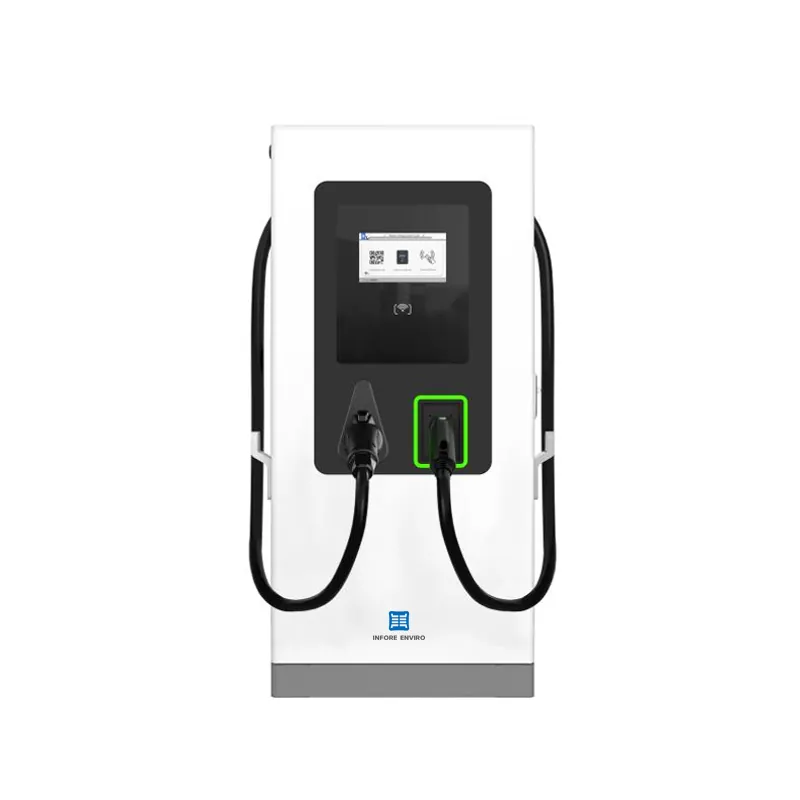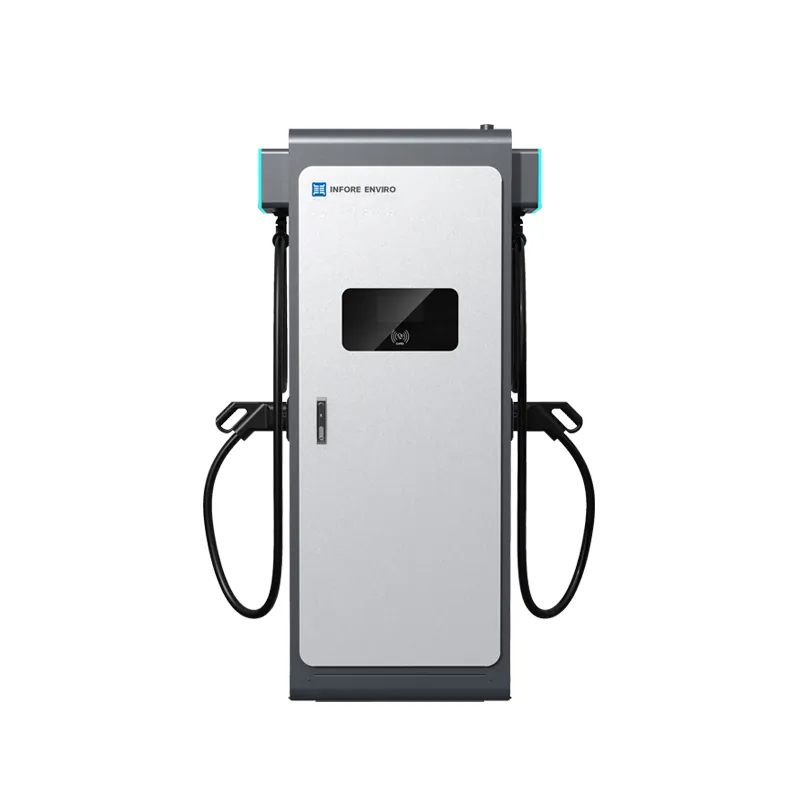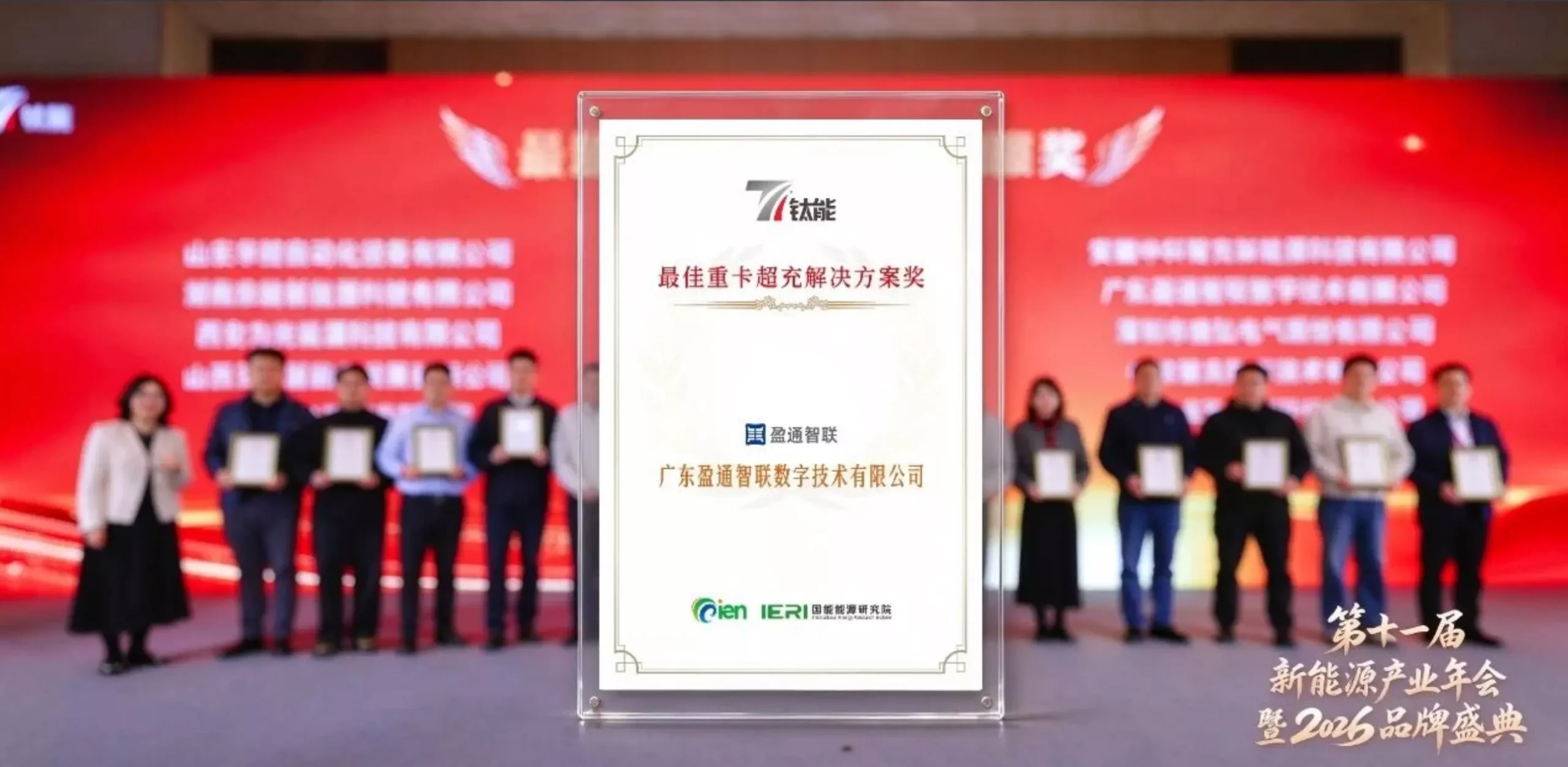
Quality and safety in EV charging equipment depend on more than final inspection. They begin with product design, component selection, electrical testing, enclosure protection, and production control. For B2B buyers, a China EV charger manufacturer should be evaluated by how these steps are managed across the full production process. Clear standards help reduce risks before equipment reaches commercial charging sites.
Strong quality control also needs repeatable procedures. Charging equipment may operate outdoors, support different power levels, and connect with management platforms. Each of these conditions creates technical requirements that must be checked during development and manufacturing.
Quality Starts with Product Development
Product quality is shaped before assembly begins. Engineers need to define electrical architecture, output requirements, connector options, protection functions, and communication needs according to the target market. Design reviews help identify potential issues before they enter mass production.
At INFORE ENVIRO, we support product development with more than 100 technical personnel. Our company also invests 25% in research and development and has more than 30 patents. These resources allow our teams to work on charging products with different power levels and market requirements.
Testing is also part of development. More than 20 testing personnel support product verification before production release. Their work can include checking electrical performance, communication behavior, enclosure design, and product consistency under defined test conditions.
Electrical Safety Requires Layered Checks
EV chargers work with significant electrical loads, so safety cannot depend on one protection function. Engineers must review grounding, insulation, current protection, temperature control, connector performance, and fault response as part of the design and testing process.
Different power levels also require different internal designs. Our charging product range covers 7kW, 11kW, 22kW, 44kW, 30kW, 40kW, 60kW, 120kW, 160kW, 180kW, 240kW, 360kW, and 480kW. Higher-power equipment places greater demands on cables, components, heat management, and system protection.
For a B2B buyer, an EV charger factory should be able to explain how electrical risks are checked during production. Inspection records, testing procedures, and traceable quality steps are more useful than general claims about safety.
Compliance Must Match the Target Market
Charging equipment is sold into markets with different technical and regulatory requirements. Product development therefore needs to consider connector standards, certification requirements, and local electrical rules from the beginning.
Our products can be developed for GB/T and 3C requirements in China. For European-oriented projects, product configurations can support Type 2 and CCS2, together with CE, CB, and RoHS certification requirements. Matching the product to the correct market standard reduces later modification work.
Compliance should not be treated as a document-only task. Connector type, internal electrical design, labeling, materials, and test procedures all need to support the intended certification path. This is why certification planning is closely linked with engineering and production control.
Environmental Protection Supports Long-Term Use
Many charging stations are installed in outdoor or semi-outdoor locations. Dust and water exposure therefore need to be considered during enclosure design and assembly. Product sealing, cable entry design, and cabinet structure can affect long-term operating stability.
Our charging products are designed with waterproof and dustproof protection in mind. During manufacturing, the production team needs to check enclosure assembly and structural consistency so that the finished equipment matches the intended protection design.
Site conditions still matter after delivery. Proper installation, drainage, ventilation, and scheduled inspection help maintain equipment condition. Factory protection and site management should work together rather than being treated as separate topics.
Production Control Connects Design with Delivery
Stable production requires clear work instructions and repeatable assembly steps. Incoming components, wiring, cabinet assembly, connector installation, software setup, and final testing all need defined checkpoints before shipment.
As a China EV charger manufacturer, INFORE ENVIRO operates from a factory covering about 12,000 square meters. Our standard delivery cycle is 30 to 45 days, depending on project requirements and product configuration. Production planning helps coordinate material preparation, assembly, testing, and shipment.
Management functions also need verification before delivery. Our platform supports the standard OCPP protocol, which can help commercial operators connect charging equipment with compatible backend management systems. Communication testing is therefore part of practical product validation.
Quality Continues After Shipment
Quality management does not end when equipment leaves the factory. B2B projects often require technical support during installation, commissioning, operation, and later maintenance. Clear service procedures can reduce downtime when issues appear.
We provide a two-year warranty and 7×24-hour after-sales response. Our ten years of industry experience also helps us understand the technical questions that can appear during project deployment and daily operation.
For buyers evaluating an EV charger factory, the useful questions are practical ones: how products are developed, how they are tested, which standards they support, how production is controlled, and what happens after delivery. These points give a clearer picture of supplier capability than a product list alone.
A Reliable Process Builds Safer Charging Equipment
Quality and safety come from a connected process that starts with engineering and continues through testing, certification, production, shipment, and service. Each stage has a different role, but weak control in one stage can affect the finished charger.
For B2B charging projects, reviewing these processes helps buyers compare suppliers more carefully. A factory with defined technical, compliance, production, and support systems is better positioned to supply equipment that matches real project requirements.