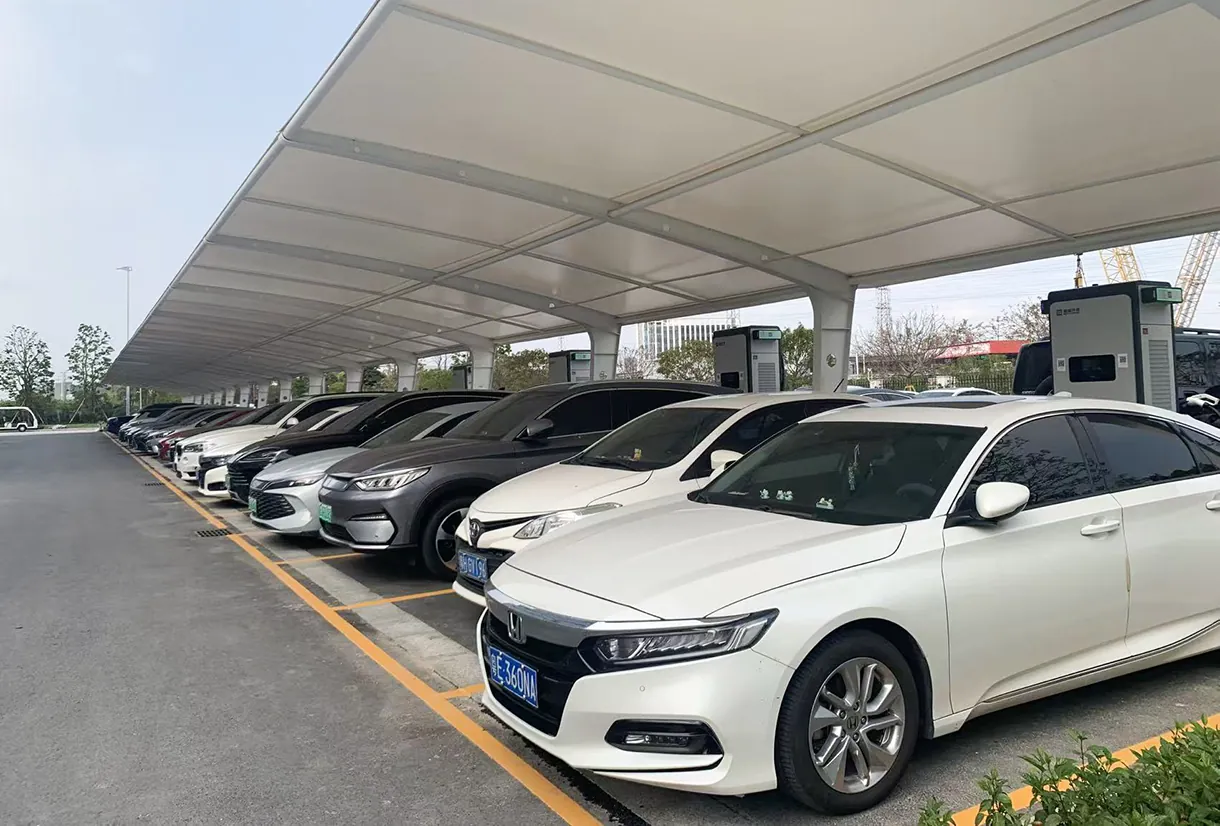
As electric vehicle charging infrastructure expands in commercial areas, we understand that selecting suitable electrical components have become important parts of project planning. Among these components, cable selection directly affects charging stability, safety, and long-term system performance.
When designing an EV Level 2 charger system, we recommend matching cable size with several factors, including charging current, power output, cable length, installation method, and local electrical requirements. Choosing an unsuitable cable specification may affect charging efficiency or create additional maintenance challenges.
For a 32A EV charger, we understand that cable selection is usually evaluated based on current capacity and installation conditions. The cable should be properly sized to handle the required current under the specific installation conditions. The final specification should consider cable length, ambient temperature, installation method, and applicable local regulations.
From our experience, cable selection is not only about handling current. A complete charging system also includes power supply, circuit protection, connectors, and installation environment. These components need to work together to support reliable operation.
How Current, Power, and Distance Affect Cable Selection
The relationship between charging power and cable requirements is an important consideration in EV charging projects. We know that higher charging power usually requires greater current capacity, which may influence the cable size needed for installation.
For example, lower-power AC charging equipment may use different cable requirements compared with higher-power charging systems. A 7kW charger, an 11kW charger, and a 22kW charger can have different electrical characteristics depending on voltage and phase configuration.
Cable length is another important factor. Longer cable routes can increase voltage drop, which may affect charging performance. During commercial installation planning, we recommend evaluating the distance between the power source and charger location before selecting the cable specification.
For businesses installing an EV Level 2 charger, we suggest considering cable routing and electrical conditions in advance. Proper planning can help improve installation efficiency and reduce future adjustments.
Environmental Factors That Influence Cable Performance
The installation environment can affect cable selection and charging system design. We understand that indoor parking areas, outdoor charging stations, and semi-outdoor locations may have different requirements.
Outdoor charging environments may expose equipment and cables to rain, dust, temperature changes, and mechanical stress. Therefore, we recommend considering cable protection methods and equipment design when planning charging infrastructure.
In addition to environmental conditions, we also pay attention to safety protection requirements. Charging systems usually require suitable circuit protection devices, grounding systems, and monitoring functions to support stable operation.
A 32A EV charger installation should be evaluated as a complete system rather than focusing only on the charger itself. We believe cable size, protection components, and installation quality all influence the final charging performance.
Key Considerations When Selecting Charging Equipment
Although cable selection is an important part of charging installation, we understand that businesses also need to consider the charging equipment itself. Factors such as power options, communication functions, connector standards, and management capability can affect long-term operation.
Modern charging systems often include smart functions that allow operators to monitor charging status and manage equipment remotely. We support communication protocols such as OCPP to help connect chargers with charging management platforms.
For commercial applications, we recommend considering certification requirements during project planning. Different markets may require different standards, including GB/T, 3C, Type 2, CCS2, CE, CB, and RoHS according to regional requirements.
A suitable EV Level 2 charger should match expected vehicle usage, available electrical capacity, and installation environment. We believe careful evaluation before installation can help businesses create a more practical charging solution.
Choosing a Reliable Charging Equipment Supplier
For B2B customers, supplier capability is an important part of charging project planning. We believe businesses should evaluate technical experience, manufacturing capability, testing procedures, and after-sales support before selecting a charging partner.
At INFORE ENVIRO, we focus on EV charging equipment development and manufacturing for commercial applications. We provide AC and DC charging solutions with different power configurations to support various project requirements.
Our Vela Series Home Wallbox supports 7kW, 11kW, and 22kW charging configurations. The product includes Type 2 charging options, cable and socket versions, and optional Dynamic Load Balancing functions for different installation scenarios.
Our Smart EV Charger Type 2 with Cable IP65 Electric Vehicle Charging Station EV Wallbox supports IP65 protection and Type 2 connectors. We also provide optional APP functions for smart charging management according to different configuration requirements.
Building Reliable Charging Infrastructure Through Proper Planning
Selecting the correct cable size for a charging project requires consideration of current capacity, cable distance, installation conditions, and safety requirements.
For businesses deploying a 32A EV charger, we recommend evaluating the complete charging system instead of focusing on a single specification. Proper cable selection, suitable equipment configuration, and effective management functions all contribute to stable operation.
Whether installing an EV Level 2 charger for workplace charging, fleet applications, or commercial parking areas, we understand that careful planning helps businesses build charging infrastructure that matches actual operational needs.
At INFORE ENVIRO, we provide charging solutions and technical support to help businesses develop practical EV charging systems. By combining suitable electrical design with reliable equipment selection, companies can create safer and more efficient charging infrastructure for long-term use.
.webp)