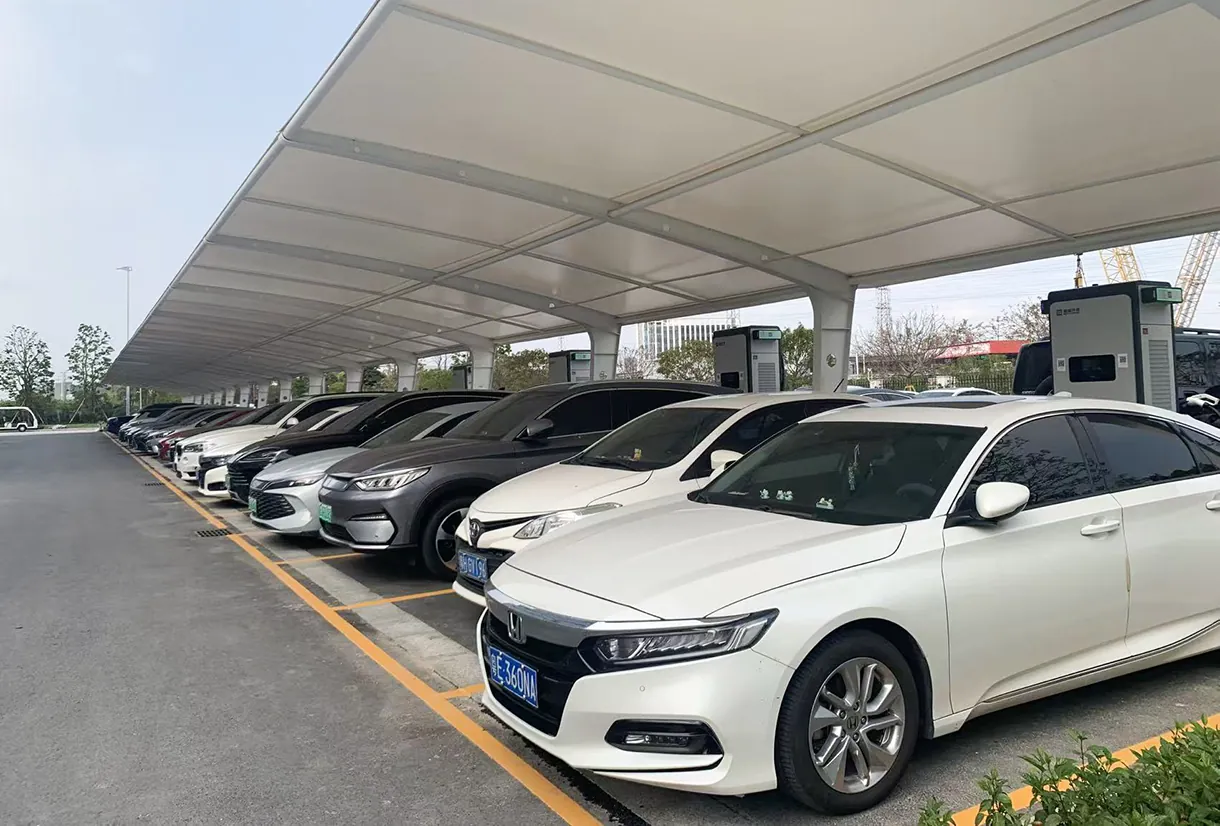
As electric vehicles become more common in homes, workplaces, and commercial facilities, we understand that choosing the right charging equipment has become an important part of infrastructure planning. Different charging environments have different requirements for convenience, compatibility, maintenance, and user management.
A tethered charger is a charging unit with a cable permanently attached to the equipment. Users can simply take the cable from the charger and connect it to the vehicle. We find that this design reduces the need to carry a separate charging cable and can make daily charging more convenient.
An untethered EV charger does not include a fixed cable. Instead, users connect their own charging cable between the vehicle and the charger. This design provides more flexibility because different drivers can use cables that match their vehicle models and regional connector requirements.
From our experience, the choice between tethered and untethered designs depends on the application environment. Fixed parking spaces, company vehicles, and private charging locations may benefit from the convenience of tethered solutions, while public charging areas with different vehicle users may prefer the flexibility of untethered equipment.
Advantages and Limitations of Different Charging Designs
Both tethered and untethered charging systems have their own practical considerations. We understand that tethered chargers simplify the charging process because users do not need to prepare additional cables. This can be useful for locations where the same vehicles charge regularly.
However, fixed cables may require more attention during maintenance because the cable is part of the charging unit. In areas with high public usage, we recommend considering cable management and protection requirements during equipment selection.
An untethered EV charger provides greater compatibility for shared charging environments. Since users bring their own charging cables, operators do not need to manage different cable types for different vehicle models. We believe this makes untethered systems suitable for locations such as public parking areas, commercial buildings, and mixed-use facilities.
However, untethered charging requires users to have compatible cables available. For this reason, we recommend evaluating user habits, vehicle types, and operating models before selecting the appropriate charging design.
How Wallbox Chargers Fit Different Charging Applications
A wallbox EV charger is commonly used in residential, workplace, and commercial parking environments because of its compact structure and flexible installation options. Compared with larger charging stations, we find that wallbox solutions are suitable for locations where space efficiency and convenient installation are important.
For residential users and businesses with fixed parking spaces, our wallbox charging solutions can provide practical charging options. These systems can be installed on walls or dedicated structures and support different power levels based on electrical capacity and vehicle requirements.
When selecting a wallbox system, we recommend considering communication functions, access control, and management features. Modern charging equipment may include APP control, RFID access, scheduled charging, and load management functions to improve daily operation.
Key Factors When Choosing Charging Equipment
The decision between tethered and untethered charging should be based on actual application requirements rather than a single feature. We suggest evaluating factors such as vehicle turnover, charging frequency, installation location, and future expansion plans.
For workplaces and fleet parking areas, we understand that charging equipment should support efficient daily operation. For public charging locations, compatibility and user convenience may become more important because different drivers may access the equipment.
Power selection is another important consideration. We provide charging systems with different configurations, including AC options such as 7kW, 11kW, 22kW, and 44kW, as well as higher-power DC solutions. The suitable choice depends on vehicle demand and available infrastructure.
Safety and compliance requirements should also be considered. We develop charging products according to different regional requirements, including GB/T, 3C, Type 2, CCS2, CE, CB, and RoHS standards based on target markets and product models.
Manufacturing Capability and Smart Management Support
Reliable charging infrastructure requires stable production capability and effective technical support. At INFORE ENVIRO, we have more than 10 years of experience in EV charging equipment development.
We have more than 100 technical personnel, over 20 testing staff, and more than 30 patents related to charging technology. Our factory covers 12,000 square meters and supports standardized production processes.
Our charging products support OCPP communication protocol integration, allowing connection with different charging management platforms. Remote upgrades and remote diagnostics help operators improve maintenance efficiency after installation.
We also provide a two-year warranty and 7×24-hour service response support. These services help customers manage technical questions during long-term equipment operation.
Making the Right Charging Choice for Future Applications
The selection between tethered and untethered charging depends on how vehicles are used and how charging facilities are managed. Through our experience, we understand that fixed users may prefer simpler charging methods, while shared charging environments may require greater compatibility.
A suitable wallbox EV charger can provide flexible charging options for homes, workplaces, and commercial locations. We recommend considering installation conditions, power requirements, and management functions when selecting equipment for different applications.
At INFORE ENVIRO, we provide charging solutions and technical support to help businesses build practical EV charging infrastructure. Whether choosing tethered equipment or an untethered EV charger, proper planning allows companies to create charging systems that match user behavior, vehicle requirements, and future expansion needs.
.webp)