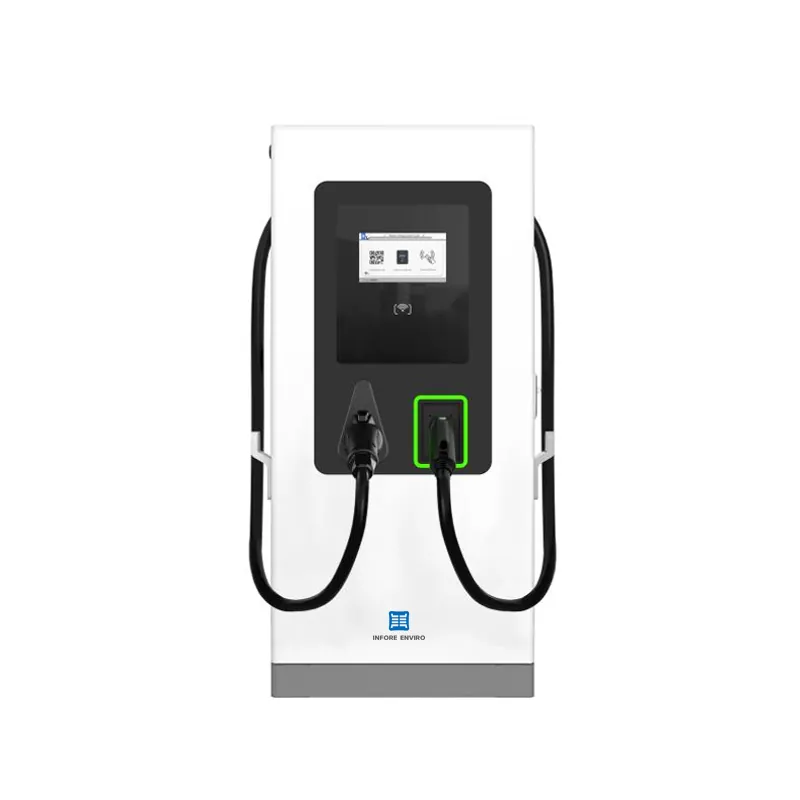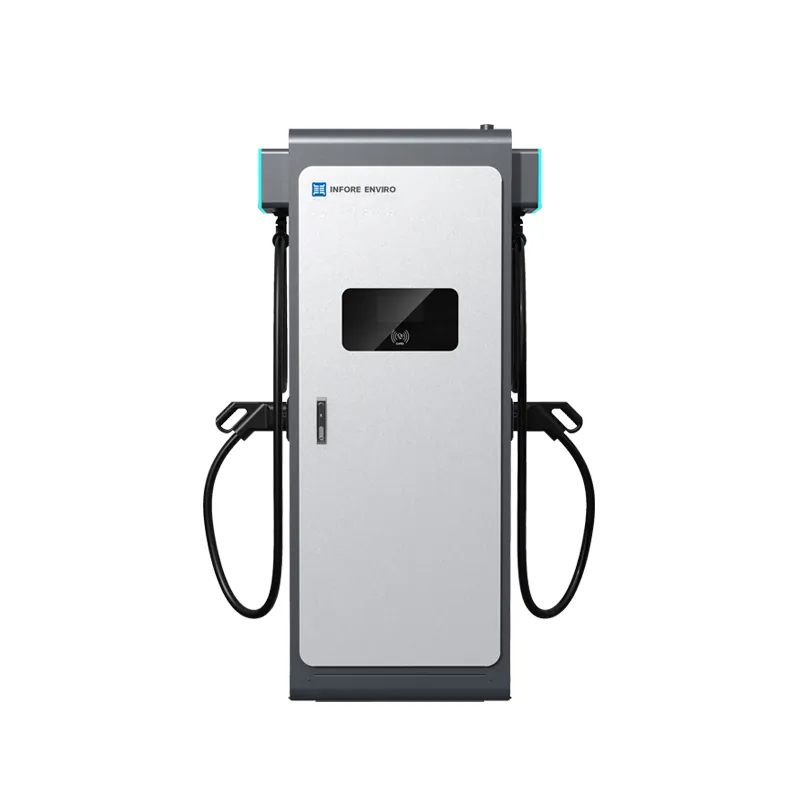
Installing EV charging equipment is a capital decision, not only a facility upgrade. For business operators, the key question is how long the investment takes to recover through charging revenue, operational savings, and business value. A practical payback calculation starts with total project cost, realistic charger utilization, electricity expense, service fees, and expected annual income.
What the Payback Period Really Measures
The payback period shows how many years are needed for cumulative net cash flow to equal the initial investment. For a commercial EV charging station, the simple payback period can be estimated by dividing the initial project cost by the annual net cash flow, provided that annual net cash flow remains relatively stable.
Initial cost may include charger hardware, electrical upgrades, installation, civil work, software connection, signage, and commissioning. Operating expenses can include electricity, platform fees, maintenance, communications, and payment processing. These items should not be mixed with one-time capital expenses.
Annual income depends heavily on utilization. Businesses should estimate daily charging sessions, average energy per session, charging price, and expected occupancy before using a single ROI figure. A low-traffic location may need much longer to recover the same equipment investment.
Build the Calculation from Site Data
For EV charging for businesses, a useful ROI model begins with real site information. We recommend reviewing parking duration, vehicle turnover, electrical capacity, user demand, and opening hours.
One practical approach is to create three scenarios: conservative, expected, and high-utilization. The conservative case can assume lower daily sessions. The expected case can use current demand and planned growth. The high-utilization case shows the effect of stronger demand.
Electricity cost also needs careful treatment. The operator should calculate the purchase price of energy, then compare it with the charging tariff or internal value created by the service. Time-of-use pricing can also alter operating cost and payback.
Utilization Has a Strong Effect on ROI
Utilization is often the variable with the largest influence on payback. High charger power does not automatically produce strong returns if vehicles rarely connect. The site should match charger output with parking behavior and user demand.
Workplaces may have long parking durations, while retail locations may have shorter sessions and higher turnover. Fleet depots can follow predictable schedules. Each situation changes daily charging volume.
We do not view charger selection as a power-only decision. Site traffic, charging time, connector availability, and network management all affect financial performance. A suitable unit can still produce a weak return if it does not match the operating pattern of the location.
Product Configuration and Revenue Planning
When a site needs dual charging points with network connectivity, equipment configuration can support flexible use. INFORE ENVIRO offers the 14kW/42kW Navis Series Commercial Wallbox for commercial applications. The unit uses Type 2 double guns and supports OCPP1.6J.
Available power options are 14kW and 42kW. Startup methods include APP, RFID card, and plug-in charging. Networking methods include 4G, WiFi, Bluetooth, and Ethernet. Input voltage is AC220V±20%, and a Smart Version with APP is optional.
Access control and connectivity also affect operation. A business may use RFID for employee access, an APP for user interaction, or network communication for charger status and platform management.
For a commercial EV charging station, equipment should support the operator’s charging model. Our R&D structure includes more than 100 technical personnel, over 20 testing personnel, 30-plus patents, and 25% R&D investment.
Include Indirect Business Value
Direct charging income is not the only value stream. EV charging for businesses can also support employee benefits, tenant services, fleet electrification, or customer dwell time. These benefits should be listed separately rather than added without evidence.
For example, a workplace may treat charging as an employee service. A hotel or retail site may include it in the customer experience. Fleet operators may compare charging infrastructure with fuel and operating costs across vehicle use.
Direct revenue, indirect business value, and avoided costs should be shown in separate lines so decision-makers can understand where the financial return comes from.
Review Sensitivity Before Approving the Project
A single payback number can create false confidence. Businesses should test how the result changes when utilization, electricity price, maintenance cost, or charging tariff moves up or down. This shows which assumptions matter more.
Project teams should also review future expansion. Equipment managed through standard communication protocols may simplify later network growth. Expansion plans should still match site electrical capacity and expected demand.
At INFORE ENVIRO, we view ROI analysis as part of charger selection rather than a calculation made after purchase. Hardware, site conditions, operating rules, and utilization should be reviewed together before investment decisions are finalized.
Turning Payback into a Practical Decision
Payback analysis is useful when the assumptions are realistic and visible. Businesses should calculate initial cost, annual operating expense, utilization, charging income, and indirect value separately, then compare several demand scenarios.
A shorter payback period can be attractive, but project quality also depends on whether the charger fits daily operation. By linking financial assumptions with parking behavior, electrical conditions, and equipment configuration, businesses can make a practical decision and understand what needs to happen for the investment to recover.