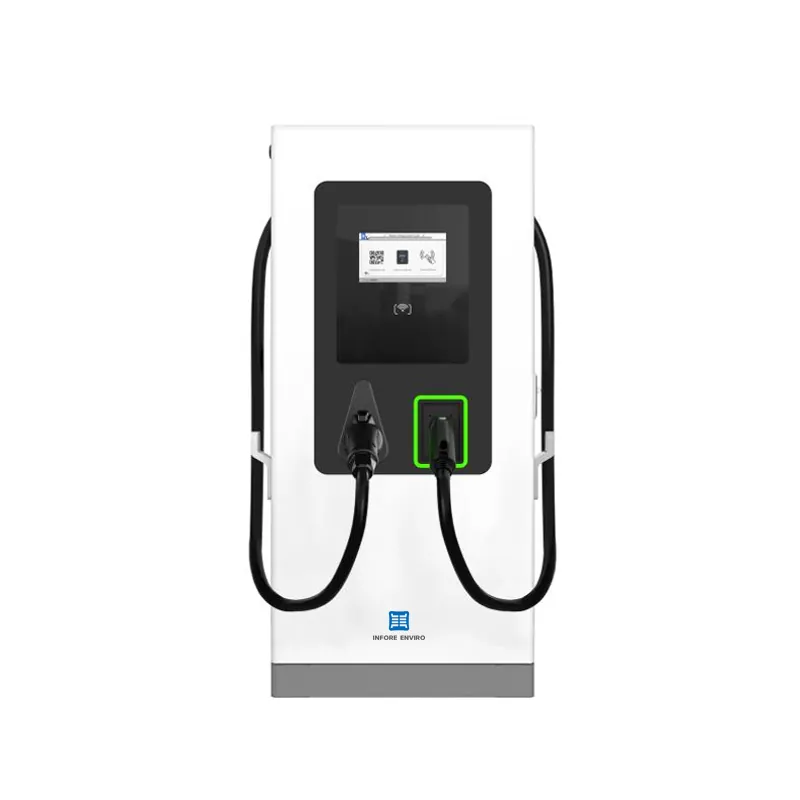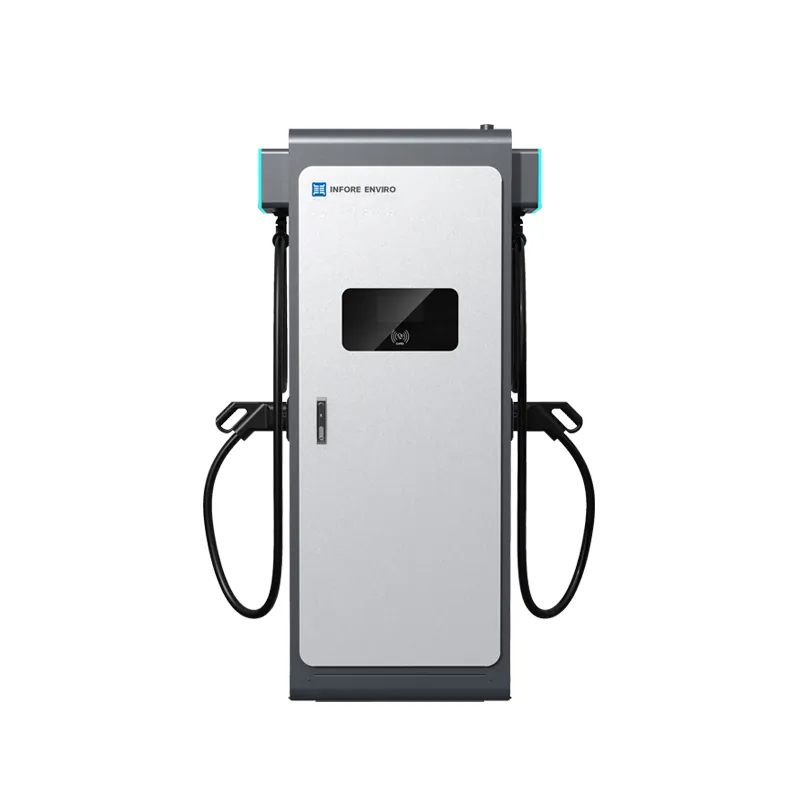
Fleet electrification is not only about installing enough chargers for today’s vehicles. The charging system also needs to support future vehicle additions, changing duty cycles, and higher daily energy demand. For this reason, an EV fleet charging infrastructure plan should begin with operational data rather than charger quantity alone.
A practical design looks at vehicle routes, parking duration, return times, battery capacity, and available site power. These factors help project teams decide how much charging power is needed now and how much capacity should be reserved for future expansion.
Start With Fleet Duty Cycles
Vehicle schedules should be reviewed before charger selection. Some fleets return to the depot overnight, while others operate in shifts and only have short charging windows. The available dwell time has a direct effect on charger power and the number of charging points required.
Project teams should also identify which vehicles must leave first. Priority vehicles may need faster charging, while vehicles with longer parking periods can use lower power. This approach can reduce unnecessary peak demand and make charger allocation more efficient.
Growth assumptions should be included from the beginning. If a depot operates 20 electric vehicles today but expects 40 within several years, cable routes, switchgear space, communication capacity, and parking layout should leave room for that change.
Match Charging Power to Real Energy Demand
Charging power should be based on daily energy consumption rather than vehicle count alone. Two vehicles can have very different energy needs if their routes, payloads, and operating hours are different.
For an EV charging installation project, engineers should calculate expected daily energy use and the time available for replenishment. This provides a clearer basis for choosing AC or DC charging and for deciding whether mixed power levels are useful at the same site.
Higher charger power does not always mean a better fleet design. If vehicles remain parked for eight or ten hours, lower-power charging may meet the duty cycle with less pressure on the electrical system. Faster DC charging is more useful when turnaround time is limited.
Plan the Electrical System for Expansion
Future growth depends heavily on upstream electrical capacity. Transformers, distribution boards, cables, protection devices, and metering should be reviewed together with the charging load. Spare capacity can reduce the need for major electrical reconstruction later.
Load management is also important when many vehicles charge at the same time. A management platform that supports standard OCPP communication can help operators monitor chargers and coordinate charging behavior across the site.
At INFORE ENVIRO, we focus on charging equipment for B2B applications and support standard OCPP protocol integration. Our development resources include more than 100 technical personnel, over 20 testing personnel, and more than 30 patents. R&D investment accounts for 25%, supporting product development and technical adaptation for different charging requirements.
Build Flexibility Into the Site Layout
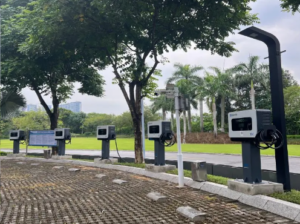
Physical layout can limit future expansion even when electrical capacity is sufficient. Charging cabinets, parking bays, cable paths, barriers, and maintenance access should be arranged so that additional chargers can be installed without disrupting existing operations.
Cable length and charger position also affect daily use. Vehicles should be able to enter, park, charge, and leave without unnecessary reversing or cable crossing. Clear traffic flow is especially important for vans, trucks, and other commercial vehicles with larger turning requirements.
Space should also be reserved for future electrical equipment. Additional distribution cabinets, communication devices, or power modules may be needed as the fleet grows. Planning these areas early can make later expansion more orderly.
Use Data to Control Charging Demand
Long-term charging infrastructure should be managed through operating data. Charging records can show energy use, charging duration, peak periods, and charger utilization. These figures help operators identify whether the existing configuration still matches the fleet.
Data can also support charging schedules. Vehicles that do not need immediate departure can be charged later, while high-priority vehicles receive power first. This reduces simultaneous demand and can make better use of existing site capacity.
For growing EV fleet charging infrastructure, management is therefore as important as hardware. A well-planned system should allow operators to add vehicles and chargers without losing visibility over energy use and charging status.
Consider Maintenance and Delivery Requirements
Fleet charging equipment operates frequently, so maintenance access should be part of the original design. Technicians need enough room to inspect cables, connectors, ventilation areas, electrical components, and protective devices.
Procurement teams should also consider supplier production and delivery capability. INFORE ENVIRO operates a 12,000-square-meter factory, a typical delivery cycle of 30 to 45 days, two-year warranty coverage, and 7×24-hour after-sales response services. These factors can affect project scheduling and long-term service planning.
For each EV charging installation project, technical documentation, installation conditions, certification requirements, and after-sales arrangements should be reviewed before final procurement. Early checks can reduce changes during commissioning and make future maintenance easier.
Design for the Next Stage, Not Only Today
Long-term fleet charging design starts with realistic operating data, then connects vehicle schedules with charger power, electrical capacity, site layout, and management functions. Reserving space and capacity at the beginning can make future expansion more practical.
The goal is not to install excessive charging capacity from day one. A scalable system should match current demand while leaving a clear path for more vehicles, higher energy use, and additional charging points as fleet operations develop.