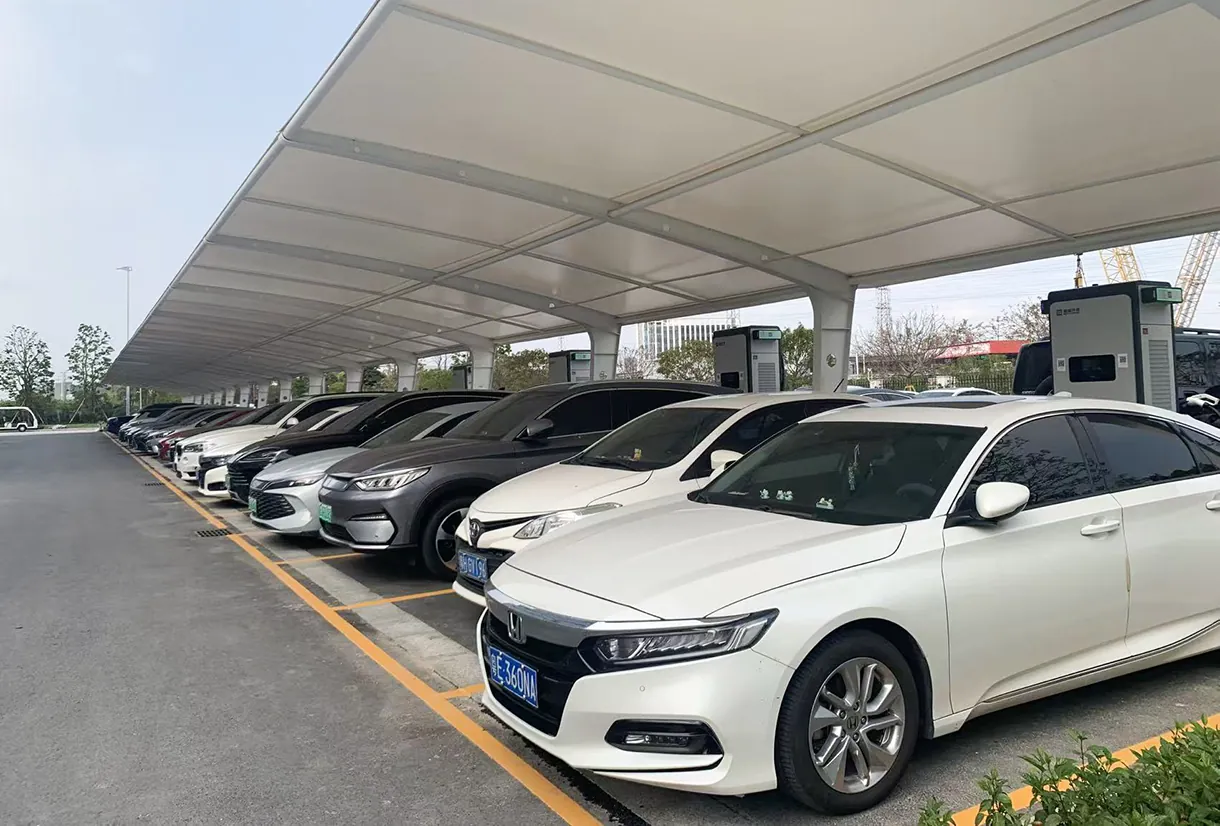
Managing a fleet of electric vehicles without a structured charging schedule leads to higher energy costs, vehicle downtime, and unnecessary strain on electrical infrastructure. At INFORE ENVIRO, we have helped fleet operators transition from chaotic “plug in when available” habits to intelligent, cost-efficient routines. The key lies in understanding your fleet’s duty cycles, leveraging smart technology, and deploying the right commercial EV charging station solutions. Below, we outline practical steps to master fleet EV charging scheduling.
Understand Your Fleet’s Operational Windows
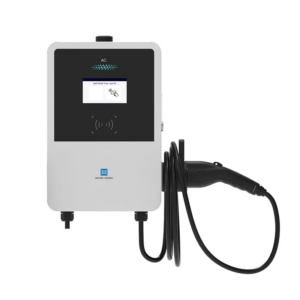
Every fleet has predictable idle periods—overnight for delivery vans, mid-day for school buses, or shift changes for taxis. Map these windows first. A commercial EV charging station should be programmed to charge during off-peak electricity rates, which often drop after 9 p.m. or before 6 a.m. For example, our INFORE ENVIRO 43kW AC EV Charger Type2 with single gun supports remote scheduling via OCPP1.6J, allowing fleet managers to set precise start and stop times through the cloud. Without understanding your fleet’s natural downtime, even the best fleet EV charging strategy will fail.
Use Smart Networking for Dynamic Load Management
Scheduling is not just about time—it is about balancing power across multiple vehicles. A robust commercial EV charging station should offer 4G, WiFi, Bluetooth, and Ethernet connectivity. Our 43kW charger includes these options, plus smart version with APP (optional). This enables real-time adjustments: if three buses return early, the system can stagger their charging cycles to avoid tripping breakers. Fleet EV charging becomes truly efficient when chargers communicate with each other and with your energy management system. Remote upgrade and remote diagnosis features, which our units support, also allow you to modify schedules without sending technicians onsite—saving both time and labour costs.
Prioritise Safety and Scenario-Specific Settings
A well-scheduled charging plan must incorporate safety protections. Overcurrent, short circuit, leakage, and emergency shutdown functions (all standard on INFORE ENVIRO chargers) ensure that automated schedules never compromise equipment or personnel. Furthermore, match your schedule to the usage scenario. A commercial EV charging station at a warehouse serving overnight truck parking needs a different schedule than one at an urban complex supporting ride-share fleets. Our 43kW AC charger adapts to private homes, commercial office buildings, and public charging stations alike. For fleet EV charging, we recommend creating separate schedules for different vehicle types—light-duty vans charge at 43kW, while heavy trucks might require slower ramp-ups.
Building a Smarter Charging Future Together
Effective fleet EV charging scheduling transforms operational costs into predictable line items. INFORE ENVIRO specialises in the R&D, production, operation, and services of new energy charging equipment. With input voltage AC380V±10%, startup methods including APP and RFID card, and rigorous safety protection, our 43kW AC EV Charger Type2 is engineered for commercial reliability. We invite fleet operators to partner with us—not just for hardware, but for scheduling strategies that deliver real savings. The question is no longer whether to schedule, but how quickly you can begin.
.webp)