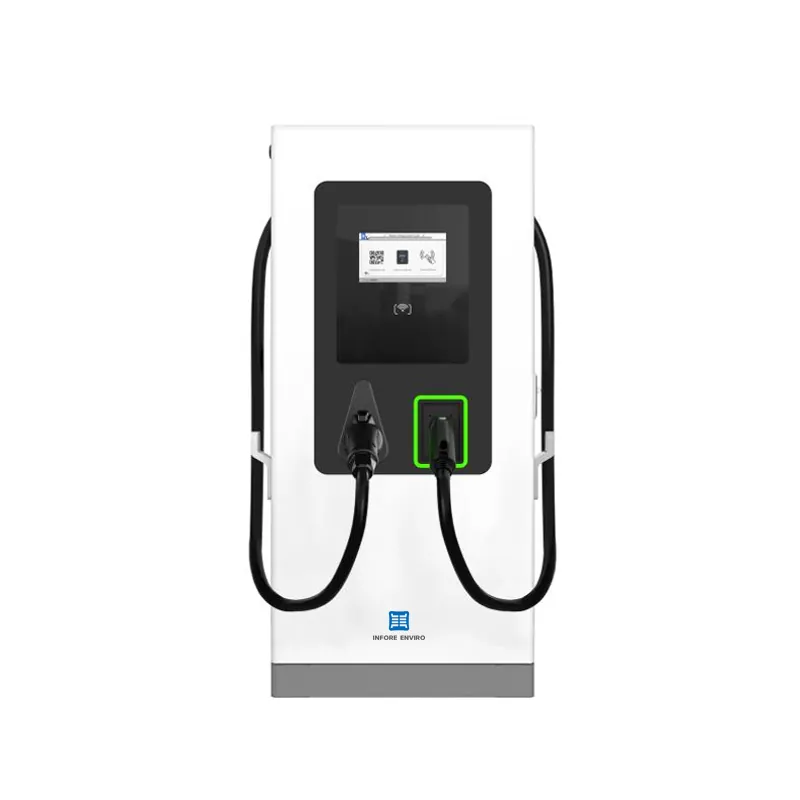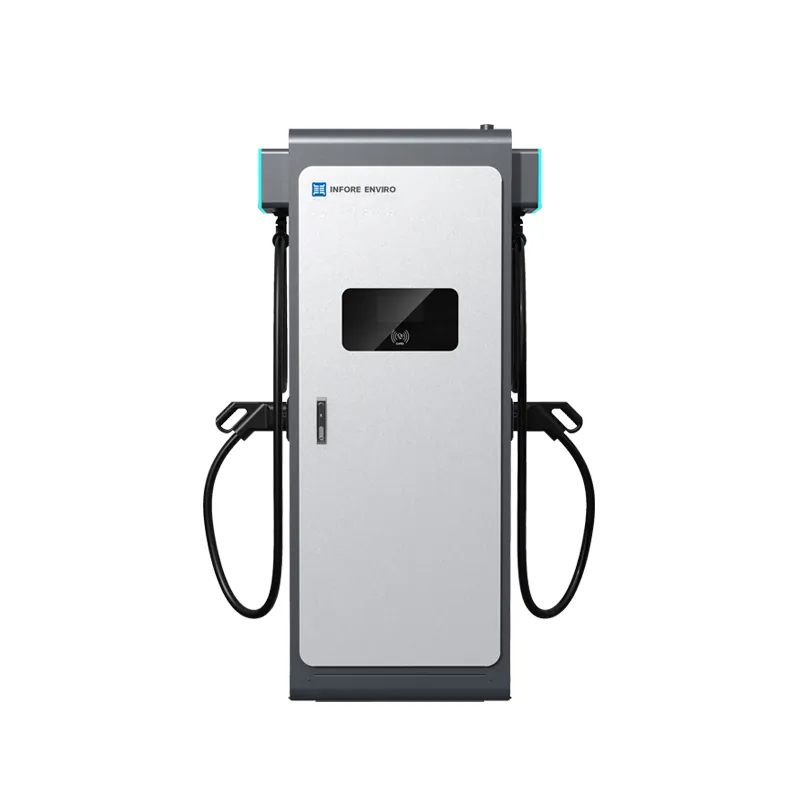
Retail sites, office parks, hotels, supermarkets, and commercial destinations are looking for practical ways to attract repeat visitors. EV charging can support this goal because drivers often spend time at a location while their vehicles are charging. For businesses, this creates an opportunity to connect charging activity with customer visits, longer dwell time, and more frequent returns.
An EV charging installation project can therefore become part of a broader customer experience strategy. The value is not limited to providing electricity. Location planning, charging speed, parking layout, access rules, and service reliability all influence whether drivers choose to visit the site again.
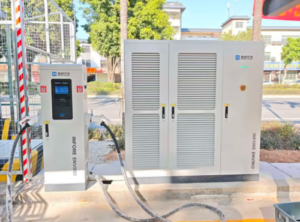
Charging Changes How Customers Use Commercial Space
Charging naturally adds dwell time to a customer visit. A driver who stops at a retail center or hotel may remain on site while the vehicle charges. During that period, the driver may shop, eat, attend a meeting, or use other services provided by the property.
This changes the role of parking space. Instead of serving only as a temporary vehicle area, selected parking bays can support customer engagement. Businesses can connect charging with existing commercial activity without changing the basic purpose of the location.
For operators evaluating EV charging stations for business, the question should not only be how many chargers to install. They should also consider when customers arrive, how long they stay, and what services are available during the charging period.
Site Location Has a Direct Effect on Foot Traffic
Charger placement can influence whether charging users enter the commercial space. Equipment located near convenient entrances may encourage drivers to visit stores, restaurants, or service areas while charging. Poorly placed chargers can create the opposite effect if users remain far from the main activity zone.
Parking flow also matters. Charging bays should be easy to identify and should not interfere with loading areas, emergency routes, or normal customer parking. Clear signs and suitable cable reach can make the charging process easier to understand.
Businesses should also review the expected vehicle mix. Short-stop locations may need faster charging, while hotels and workplaces can support longer charging sessions. Matching charging time with normal customer behavior can improve the commercial value of the installation.
Nearby facilities should also be considered during planning. Restrooms, restaurants, shops, waiting areas, and office services can give drivers practical reasons to remain on site. This connection between charging and existing facilities can turn vehicle dwell time into useful customer activity.
Reliability Influences Repeat Visits
Drivers are more likely to return to a charging location when the equipment operates consistently. Failed sessions, unclear instructions, or inaccessible chargers can quickly reduce confidence in the site. Reliable operation therefore affects both charging performance and the wider customer experience.
This is why hardware quality, protection, platform communication, and maintenance planning should be reviewed together. Waterproof and dustproof design can support outdoor operation, while standard OCPP compatibility can help businesses connect chargers with suitable management platforms.
At INFORE ENVIRO, we develop and manufacture EV charging equipment for B2B applications. Our technical team includes more than 100 staff, with more than 20 testing personnel, and we hold over 30 patents. We also invest 25% in R&D to support product development and customization.
Charging Speed Should Match Customer Dwell Time
Higher power is not always the only target. Charging capacity should match how customers normally use the site. A workplace with several-hour parking periods may have different needs from a roadside commercial site where drivers expect shorter stops.
Our available charging power covers AC and DC applications, including 7kW, 11kW, 22kW, 44kW, 30kW, 40kW, 60kW, 120kW, 160kW, 180kW, 240kW, 360kW, and 480kW. This allows project teams to compare power requirements against dwell time and site electrical capacity.
The same principle applies when planning an EV charging installation project. Businesses should review transformer capacity, expected simultaneous charging, parking turnover, and future expansion before selecting equipment. Oversizing can increase project cost, while undersizing may create queues during busy periods.
Loyalty Depends on More Than the Charger
Charging can support repeat visits when it becomes part of a convenient site experience. Customers notice whether bays are available, whether charging starts smoothly, and whether useful services are nearby. These details can influence whether a driver chooses the same location again.
Commercial operators can also use charging data to understand usage patterns. Session frequency, charging duration, and peak periods can support future decisions about charger quantity, parking allocation, and service hours. This makes the charging system useful for both customers and site management.
For EV charging stations for business, after-sales support also affects long-term operation. We provide a two-year warranty and 7×24-hour after-sales response. Our factory covers about 12,000 square meters, and the standard delivery cycle is 30 to 45 days.
Turning Charging Into a Long-Term Site Asset
EV charging can influence customer loyalty because it gives drivers another practical reason to choose a location. Stronger results can come when charging equipment, parking design, customer services, and daily operations work together. Businesses should therefore evaluate the charging area as part of the complete visitor journey.
At INFORE ENVIRO, we view charging equipment as part of the commercial environment rather than an isolated electrical product. For B2B projects, careful power selection, reliable operation, suitable site placement, and responsive service can help businesses turn charging infrastructure into a useful part of customer retention and foot traffic planning.