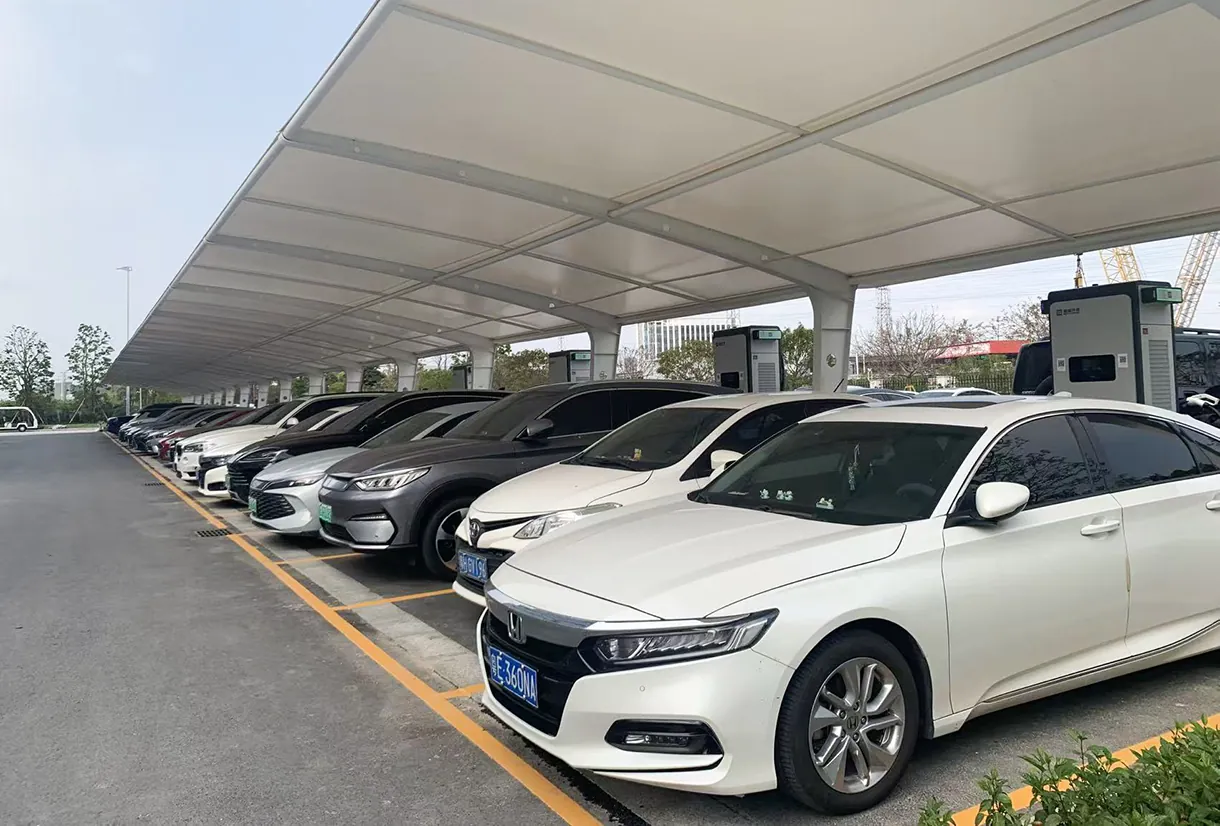
Rising electric vehicle adoption is encouraging businesses to invest in charging infrastructure that supports employees, customers, and fleet operations. When evaluating a commercial EV charger, one of the first questions decision-makers ask is about cost. However, the price of a commercial EV charging station depends on several factors, including charging power, installation requirements, networking features, and long-term operational needs. Understanding these factors helps businesses make informed investment decisions and maximize the value of their charging infrastructure.
Key Factors That Influence Commercial EV Charger Costs
The cost of a commercial EV charger can vary significantly based on power output and functionality. Lower-power AC chargers are generally more affordable and are ideal for locations where vehicles remain parked for extended periods. Higher-power chargers often require additional electrical infrastructure, which can increase the total project investment.
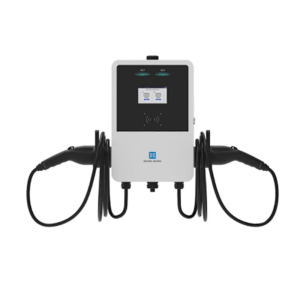
Another important consideration is the charging configuration. Chargers equipped with dual charging guns can serve multiple vehicles simultaneously, improving charging efficiency and increasing return on investment. Businesses should also evaluate installation methods, whether wall-mounted or pedestal-mounted, as site conditions may affect overall deployment costs.
In addition to hardware expenses, a commercial EV charging station may involve costs related to electrical upgrades, network connectivity, software integration, and ongoing maintenance.
Why Smart Features Add Long-Term Value
While advanced features may increase the initial cost of a commercial EV charger, they often provide substantial operational benefits. Modern charging systems support multiple startup methods, including mobile applications, RFID cards, and plug-in charging, offering flexibility for different user groups.
Networking options such as 4G, Wi-Fi, Bluetooth, and Ethernet enable remote monitoring and management of a commercial EV charging station. These capabilities allow operators to track usage, manage charging schedules, and optimize energy consumption.
Smart charging technologies also contribute to cost savings. Features such as appointment charging, intelligent charging planning, and dynamic load balancing help businesses manage electricity demand more effectively. As a result, organizations can reduce peak energy costs while maintaining reliable charging performance.
Safety and Reliability Matter in Cost Evaluation
The lowest-priced commercial EV charger is not always the most cost-effective option. Reliability, safety, and durability should be major considerations when selecting a commercial EV charging station.
High-quality charging equipment includes multiple protection mechanisms such as overcurrent protection, short-circuit protection, leakage protection, and emergency shutdown functions. These features help ensure safe operation while minimizing the risk of equipment failure and costly downtime.
Investing in dependable charging solutions can reduce maintenance expenses and extend equipment lifespan, ultimately delivering a stronger return on investment over the long term.
Why Businesses Choose INFORE ENVIRO
At INFORE ENVIRO, we specialize in the development, production, operation, and service of advanced EV charging solutions. We offer 14kW to 42kW Type 2 dual-gun charging systems designed for both residential and commercial applications.
Our commercial EV charger solutions support APP, RFID card, and plug-in activation methods while offering 4G, Wi-Fi, Bluetooth, and Ethernet connectivity. With intelligent charging management, dynamic load balancing, and comprehensive safety protections, each commercial EV charging station is engineered to deliver reliable performance and long-term value.
By combining innovative technology, flexible installation options, and customer-focused support, we help businesses deploy the right commercial EV charger solutions to meet current demands and future growth opportunities.
.webp)