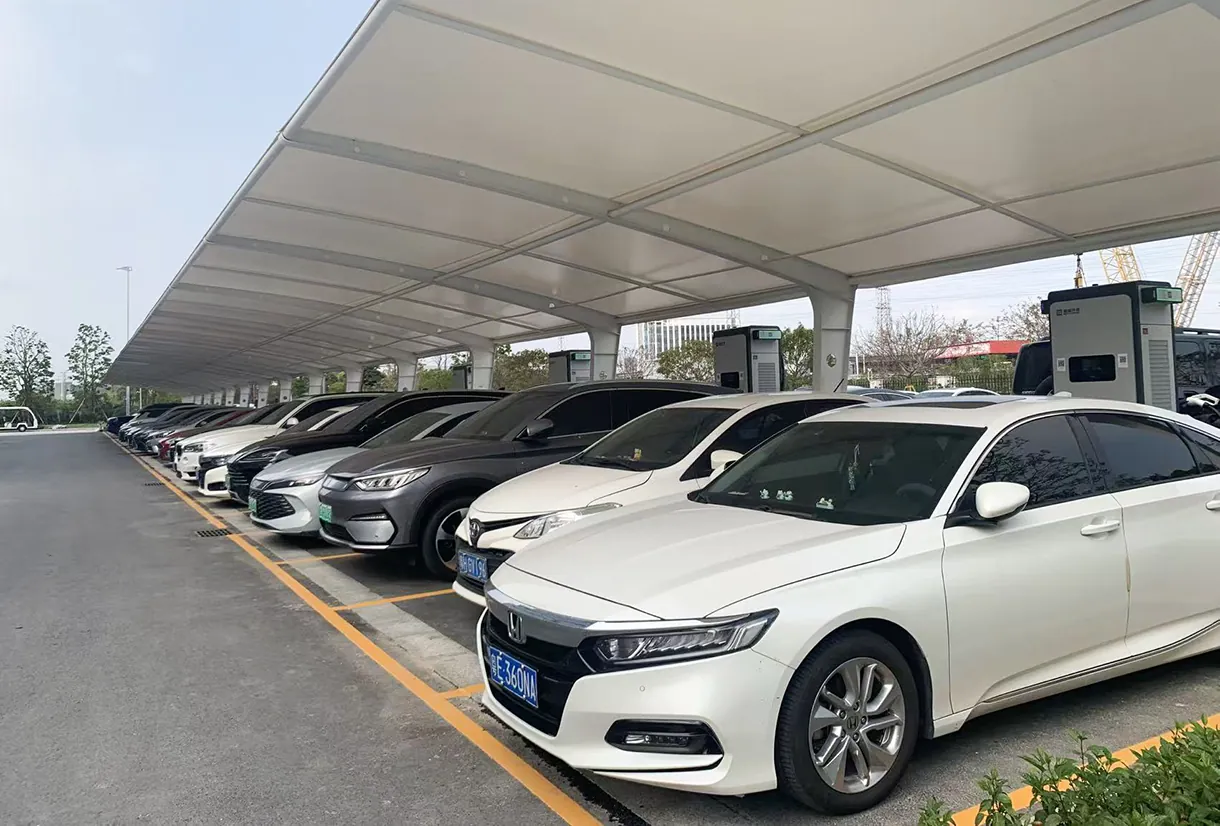
The installation time of an electric vehicle charger depends on several factors, including electrical conditions, installation location, charger type, and project complexity. From our experience, homeowners, businesses, and charging project developers need to understand these factors to create more accurate project schedules.
An EV Level 2 charger installation usually includes several stages: site evaluation, electrical preparation, equipment mounting, wiring connection, configuration, and system testing.
For simple locations with existing electrical infrastructure, we find that the installation process can usually be completed more quickly. However, commercial projects involving multiple charging points, longer cable distances, or additional electrical upgrades often require more planning.
Key Factors That Affect Level 2 Charger Installation Time
The time required for Level 2 EV charger installation depends largely on the site environment and preparation requirements.
One important factor is electrical capacity. If the existing power system can support the charger, installation may involve fewer modifications. If additional electrical work is required, such as upgrading distribution equipment or adjusting cable routes, we understand that the project schedule may become longer.
Installation location also affects the process. A home garage, office parking area, commercial parking facility, and fleet charging site may require different installation methods. Wall-mounted chargers, floor-mounted equipment, and multiple charger deployments each involve different preparation steps.
Cable distance is another factor we consider during project planning. Longer cable routes require more installation work and careful planning to reduce potential voltage loss and maintain stable charging performance.
What Happens During a Typical Charger Installation?
A standard charging installation generally follows a structured process. The first step is a site assessment to confirm installation conditions and charging requirements.
After planning is completed, technicians prepare the electrical connection and install the charging equipment. We support the configuration process according to project requirements, including communication settings and management functions.
The final stage involves system testing. Installers check charging performance, safety functions, communication connections, and overall operation before the equipment is placed into service.
For businesses planning EV Level 2 charger projects, we believe understanding each installation stage can help coordinate cooperation between equipment suppliers, installers, and site managers.
Important Considerations Before Starting Installation
Before beginning a Level 2 EV charger installation, we recommend evaluating several practical factors, including power requirements, equipment specifications, certification standards, and future expansion plans.
Charging power is one of the main considerations. We provide AC charging options with different configurations, including 7kW, 11kW, and 22kW solutions. The suitable choice depends on vehicle usage, parking time, and available electrical capacity.
Safety and compliance are also important parts of our charging solution planning. Charging equipment used in different regions may need to meet standards such as GB/T, 3C, Type 2, CCS2, CE, CB, and RoHS requirements.
Environmental conditions should also be reviewed. For outdoor charging locations, we recommend considering suitable protection against dust and water exposure to support long-term operation.
Selecting Suitable Charging Equipment for Different Applications
Different projects require different charging configurations. We understand that residential users may prioritize convenient daily charging, while commercial operators may need equipment with stronger management functions and flexible deployment options.
A suitable EV Level 2 charger should match the application environment, including vehicle numbers, charging frequency, and available infrastructure.
For example, our AC wallbox charging solutions are suitable for locations where vehicles remain parked for several hours. Higher-power charging solutions can be considered for fleet operations or locations with higher charging demand.
We also provide smart functions such as APP management, remote monitoring, and dynamic load balancing to help businesses improve charging management after installation.
Manufacturing Capability and Technical Support
Reliable production capability helps support smoother project delivery. At INFORE ENVIRO, we have more than 10 years of experience in EV charging equipment development and manufacturing.
We operate a 12,000-square-meter production facility with more than 100 technical professionals involved in product development. We also have over 20 testing personnel and more than 30 patents related to charging technology.
We support customized product requirements and provide charging solutions based on different application conditions. Our standard delivery period is around 30 to 45 days depending on product configuration and order requirements.
For long-term operation support, we provide a two-year warranty and 7×24-hour technical response service to assist customers after installation.
Planning a Successful EV Charger Installation Project
The time required for Level 2 EV charger installation depends on the project environment, electrical preparation, equipment selection, and installation complexity.
From our experience, small installations with ready electrical conditions may require less time, while commercial projects involving multiple charging points often need additional planning and coordination.
At INFORE ENVIRO, we provide charging solutions and technical support to help businesses develop reliable EV charging infrastructure. By understanding installation requirements, selecting suitable equipment, and working with experienced partners, companies can create charging systems that support stable operation and future expansion. Contact our team to discuss the right charging solution for your project.
.webp)