Opening up private charging equipment to neighbors or guests transforms personal hardware into a shared community asset. Homeowners frequently look to offset installation expenses without compromising security or grid reliability.
Transforming a private wallbox into a multi-user station requires clear access boundaries and reliable billing mechanisms. Alternating current equipment provides an ideal platform for shared residential charging due to its manageable power output.
Evaluating access control options, software integrations, and capacity safeguards allows hosts to share energy safely. Following structured operational steps ensures seamless user authentication, accurate tracking, and peace of mind.
Navigating utility guidelines and insurance considerations represents another requirement before inviting external drivers to plug in. Clear operational strategies protect physical assets while creating a seamless experience for every guest.
Implementing Access Control via RFID Cards and Mobile App Authorizations
Unrestricted default settings allow any passerby to connect, leading to unmonitored electricity consumption and circuit overload. Establishing security boundaries represents the first critical step when making personal equipment accessible to external drivers.
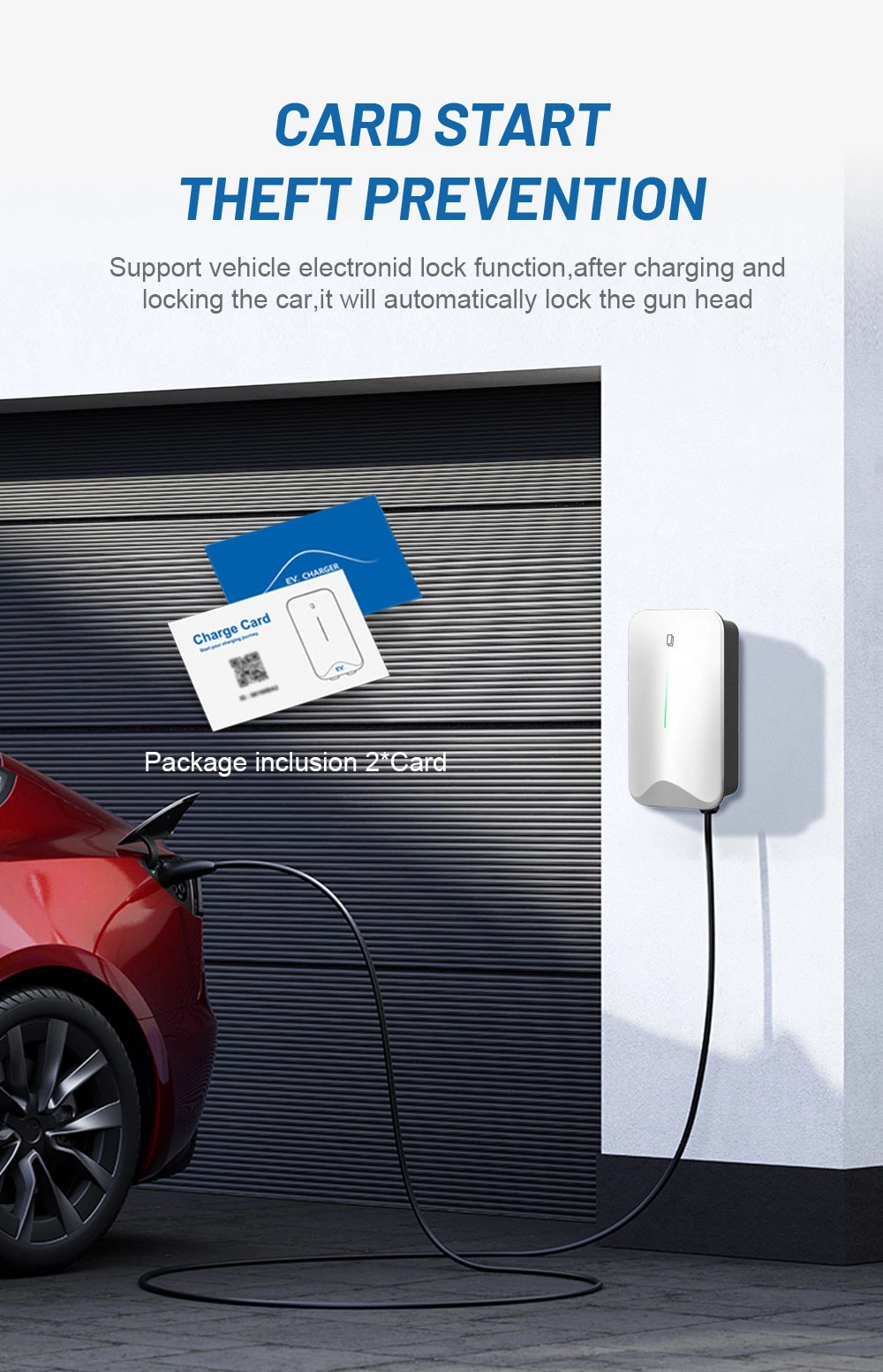
Deploying physical RFID keycards offers a straightforward method for granting charging access to trusted family or regular visitors. Swiping a pre-programmed card across the station reader authorizes the session instantly, keeping unauthorized users locked out.
Smart Bluetooth or Wi-Fi mobile applications provide flexible remote access control directly from smartphone interfaces. Station owners can generate access permissions, approve guest requests remotely, or set specific time windows for shared availability.
An untethered Type 2 wallbox can give users flexibility when compatible charging cables are available. However, the vehicle connector, charging cable, and regional charging standard should be checked before shared use
Installing a commercial-grade home Level 2 charger equips property hosts with versatile RFID and app-based authorization features. Multi-user permission settings allow administrators to track individual charging sessions separately while maintaining full master control over station operations.
At INFORE ENVIRO, we engineer smart AC wallboxes supporting multi-user authentication protocols to ensure operational control over shared assets. Customizable access management protects property owners from unauthorized usage while providing convenient access for authorized guest drivers.
Leveraging Peer-to-Peer Networks and OCPP Software for Billing
Monetizing shared infrastructure requires automated energy tracking and payment processing capabilities to eliminate manual accounting. Charging hosts need transparent mechanisms to calculate kilowatt-hour usage, track session durations, and collect reimbursement automatically.
If a homeowner plans to provide charging to people outside the household, the charging platform, property rules, utility requirements, insurance conditions, and local regulations should be reviewed before enabling paid access
Automated reservation calendars within peer-to-peer applications prevent scheduling conflicts between hosts and guest drivers. Setting blocked windows during personal commute hours ensures charger availability for host vehicles while opening unused mid-day slots to paying guests.
Utilizing open communication protocols like OCPP 1.6J enables connectivity with third-party charging management software platforms. Networked wallboxes transmit real-time session telemetry, allowing hosts to establish custom pricing tariffs for peak hours, off-peak windows, or idle parking fees.
Selecting a versatile EV Level 2 charger featuring OCPP compliance allows hosts to integrate with professional billing gateways seamlessly. Enterprise software compatibility guarantees that hosts receive fair compensation for electricity delivered without managing complex cash transactions or manual logs.
Automated reporting dashboards provide complete visibility into cumulative energy throughput, session frequency, and generated revenue. Clear transactional data helps hosts analyze equipment return on investment while ensuring transparent, dispute-free billing for guest users.
Protecting Domestic Circuits with Dynamic Load Management
Sharing high-amperage charging equipment increases overall electrical demand on residential subpanels and main utility service feeds. Concurrent usage of household HVAC systems, water heaters, and guest vehicle chargers risks tripping main circuit breakers if left unmanaged.
Dynamic load management controllers protect building circuits by monitoring real-time household electrical draw continuously. Where dynamic load management is supported, current transformers or other metering devices can monitor site consumption and allow the charging system to reduce charging power when household demand increases
Deploying hardware engineered by INFORE ENVIRO provides built-in dynamic power balancing to safeguard domestic wiring across multi-user environments. Automated current adjustment scales power output between 7.4 kW and 22 kW dynamically, ensuring safe operation regardless of household appliance loads.
Installing a robust home Level 2 charger built with comprehensive electrical protections guards against unexpected grid fluctuations. Integrated Type A plus DC 6mA residual current leakage detection, overvoltage protection, and PEN fault monitoring preserve circuit safety during continuous guest sessions.
Adding dedicated utility sub-meters or smart MID-certified energy meters allows hosts to track exact electricity consumption for accounting purposes. Dedicated metering separates domestic household power consumption from guest charging loads, ensuring total financial transparency.
Maintaining physical hardware durability is equally vital when hosting multiple guest drivers throughout changing seasons. Weatherproof IP55 socket ratings, IP65 cable assemblies, and flame-retardant UL94-V0 enclosures ensure operational resilience under heavy daily usage.
Establishing Clear Rules and Operational Protocols for Shared Infrastructure
Structuring physical parking arrangements and usage guidelines prevents friction between host property owners and guest drivers. Clear communication regarding parking stall availability, cable management, and maximum allowable stay duration maintains neighborhood harmony and operational efficiency.
Mounting wallboxes on sturdy floor pedestals or accessible exterior walls allows charging cables to reach multiple parking stalls comfortably. Retractable cable holsters keep heavy charging cords off driveways, preventing mechanical damage, connector contamination, and tripping hazards.
Promoting proper etiquette involves setting automated notification alerts within management apps to inform drivers when charging sessions complete. Promptly moving fully charged vehicles frees up charging spots for secondary users, maximizing station throughput and overall host revenue.
If the charging platform supports tariff management, hosts may be able to configure additional charges for vehicles that remain connected after the charging session has ended
Conducting periodic visual inspections of socket pins, cable holsters, and mounting hardware ensures station safety over years of continuous multi-user operation. Keeping connector housings clean and dry prevents electrical resistance buildup and protects internal contact points from corrosion.
Solutions manufactured by INFORE ENVIRO deliver the durability, thermal resilience, and smart connectivity needed for multi-user residential applications. Equipping property owners with reliable, high-efficiency equipment supports on-site charging needs with dependable performance.
.webp)