EV charging projects are becoming more demanding as vehicle types, charging power, communication requirements, and installation environments change. For B2B buyers, product price is only one part of supplier evaluation. Research and development capability also affects product stability, system compatibility, testing depth, and technical adaptation. This is why R&D has practical value when companies select long-term charging partners.
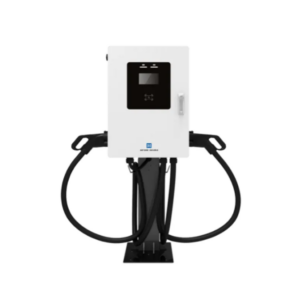
Why R&D Matters in Commercial Charging Projects
Charging equipment must work under different electrical conditions and usage patterns. Commercial sites may need AC charging for long parking periods, while transport hubs and fleet projects may require higher-power DC charging. Product development therefore needs to consider power conversion, thermal control, communication, enclosure design, and user operation together.
As a China EV charger manufacturer, we view R&D as part of daily product engineering rather than a separate marketing concept. Our technical work focuses on how charging equipment performs in real installations, how different functions interact, and how design choices affect manufacturing and maintenance.
Testing Turns Design Into Practical Performance
Product design needs verification before it reaches a customer site. Charging equipment is exposed to repeated operation, current changes, environmental conditions, and communication events. Testing helps engineers identify weak points before larger production runs begin.
Our company has more than 20 testing personnel who support product verification and development. Test results can reveal issues related to temperature, electrical performance, structural protection, interface behavior, and system operation. Engineers can then use this information to refine the design.
Defined testing procedures also help procurement teams compare technical documents more clearly. They can ask how key functions were verified, what operating conditions were considered, and how test findings are reflected in later production controls.
Innovation Should Solve Real Charging Problems
Innovation has value when it responds to practical project needs. Adding functions without a clear application can increase system complexity. We focus instead on functions that support charging operation, compatibility, and project deployment.
Management platforms that support standard OCPP communication are one example. OCPP can help charging equipment exchange data with backend systems for monitoring and management. For EV charging solution providers, protocol compatibility is important because project owners may need to connect chargers with existing or future management platforms.
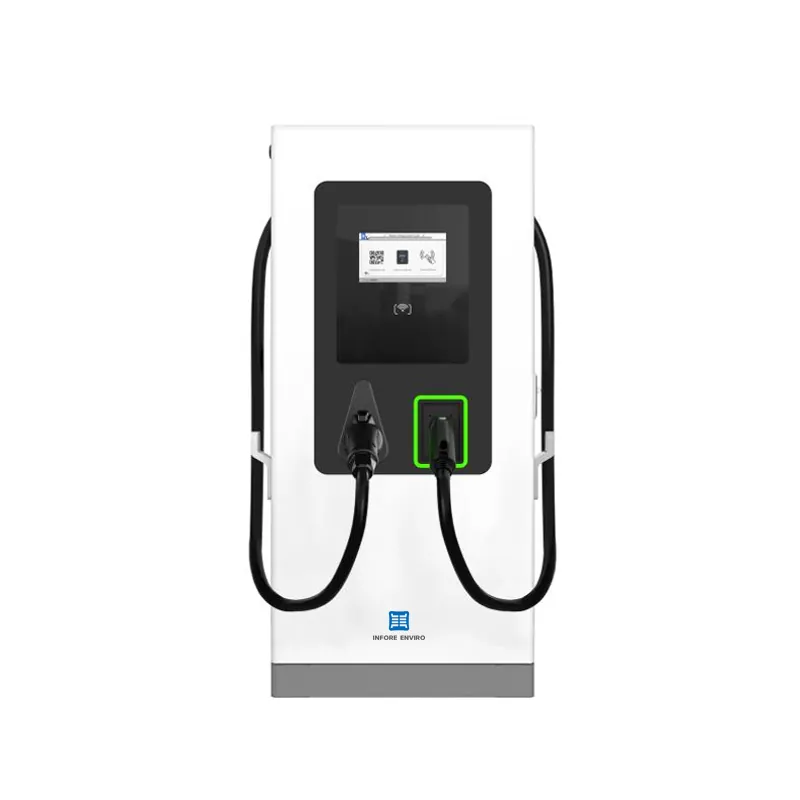
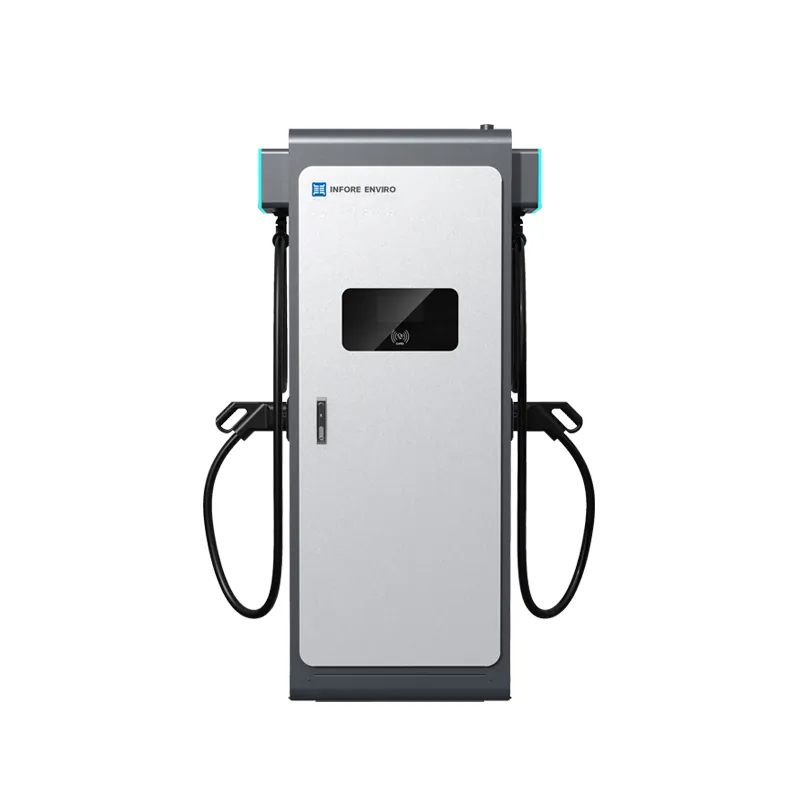
Power coverage is another practical area. Our available product power levels cover 7, 11, 22, 44, 30, 40, 60, 120, 160, 180, 240, 360, and 480kW. This range allows project discussions to begin with actual load, dwell time, and site capacity rather than one fixed charger type.
R&D Also Supports Market Compliance
Charging products are used in different regions, so engineering work must consider relevant standards and interfaces. Compliance planning should begin during product development rather than after the design is finished. This can reduce structural or electrical changes late in the project.
Our products can be developed around requirements such as GB/T and 3C for the Chinese market, as well as Type 2, CCS2, CE, CB, and RoHS requirements for other markets. These standards and certifications affect connector selection, electrical design, materials, documentation, and testing.
For a China EV charger manufacturer serving B2B customers, this development work supports projects with clear market-entry requirements. Buyers should still review the exact certification scope for the model they plan to purchase, because requirements can differ by product and destination.
Engineering Resources Affect Response Capability
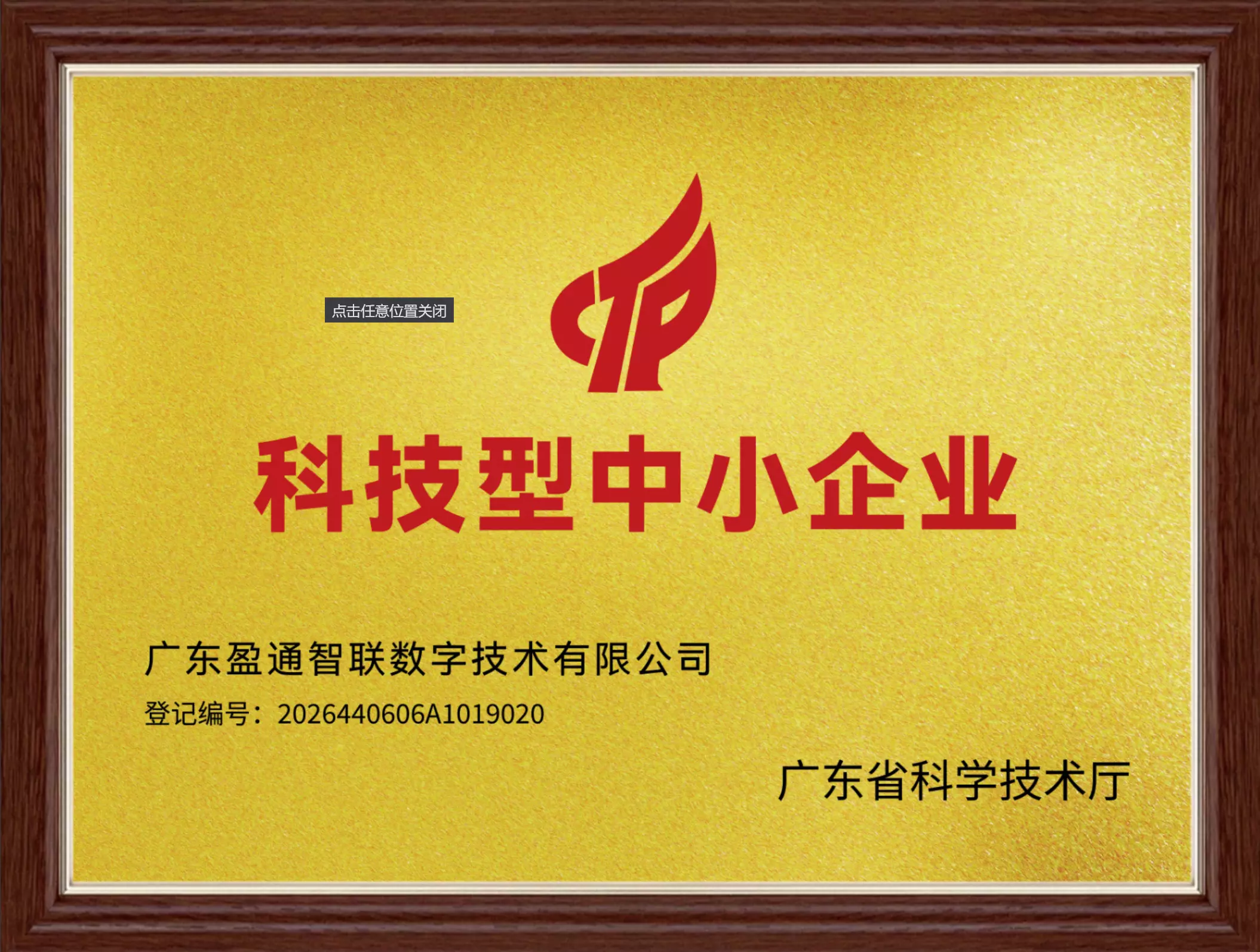
R&D capacity is also related to how quickly a supplier can evaluate technical requests. We have more than 100 technical personnel, and R&D investment accounts for about 25%. Our company also holds more than 30 patents related to technical development.
These resources support customized development when standard configurations do not fully match a project. Customization may involve electrical configuration, communication, structure, or interface requirements. The value is the ability to assess whether a requested change is practical and how it affects production and testing.
INFORE ENVIRO also operates with self-developed and self-produced capabilities. This connection between engineering and manufacturing can make technical feedback more direct during development, pilot production, and batch delivery.
From Development to Reliable B2B Delivery
R&D does not end when a charger design is released. Manufacturing, quality inspection, field feedback, and after-sales data can provide information for later product improvement. This feedback loop helps technical teams understand how equipment behaves after deployment.
Our factory covers about 12,000 square meters, and the normal delivery cycle is 30 to 45 days. Products are supported by a two-year warranty and 7×24-hour after-sales response. These operational details matter because technical capability needs to connect with production and service.
For EV charging solution providers, supplier evaluation should include more than product catalogs. Engineering staff, test resources, standards knowledge, production coordination, and after-sales support all influence how smoothly a B2B charging project moves from specification to operation.
Why R&D Creates Long-Term Project Value
R&D gives charging suppliers a structured way to respond to changing power levels, protocols, standards, and application needs. It helps turn technical requirements into products that can be tested, manufactured, deployed, and maintained with clearer processes.
At INFORE ENVIRO, we use engineering resources, testing, compliance work, and production feedback as connected parts of product development. For B2B buyers, the practical value of innovation is simple: it should make charger selection, project integration, and long-term operation easier to evaluate and manage.