Professional EV charging environments require more than a simple power rating. Workplaces, apartment parking areas, fleet facilities, hotels, and commercial sites may serve different vehicles throughout the day. When we compare AC charging equipment, we consider power delivery, phase configuration, site capacity, protection, load control, and connector options. These factors provide a more practical picture of charger performance under daily operating conditions.
Power Output Must Match Vehicle Demand
An 11kW AC unit operates differently from a high-power DC charger. AC charging depends partly on the vehicle’s onboard charger. Even when a wallbox provides 11kW output, the vehicle must support that charging level to use the available capacity.
Parking time also affects the comparison. Employees, company vehicles, and hotel guests may remain connected for several hours. In these situations, 11kW charging can provide a practical balance between charging speed and available site power.
We also recommend reviewing the incoming electrical supply before selecting equipment. Available capacity, existing building loads, the number of chargers, and expected charging periods can influence actual performance.
The phrase best home EV charger is common in product searches, but professional buyers need more information. A suitable commercial charger should be evaluated according to the electrical environment and operating pattern rather than one specification alone.
Three-Phase Power Changes Site Planning
An 11kW charger normally requires a three-phase configuration. This means project teams need to assess the electrical distribution system before installation. Cable routes, circuit capacity, distribution equipment, and available power should all form part of the planning process.
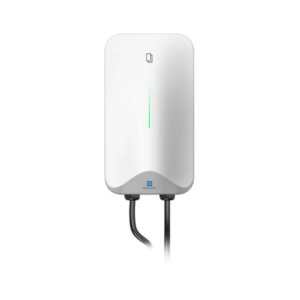
The Vela Series from INFORE ENVIRO includes 7kW single-phase and 11kW or 22kW three-phase configurations. The different power options allow us to address projects with different electrical supplies and charging requirements without treating every location in the same way.
Multiple chargers create another consideration. Individual units may have suitable ratings, while their combined demand can place greater pressure on the site’s electrical capacity. Professional planning therefore needs to consider simultaneous charging instead of looking only at one charger.
Optional Dynamic Load Balancing is available for the Vela Series. This function can help allocate charging demand according to available electrical capacity. It can be useful for workplaces and shared parking areas where charging equipment operates alongside other building loads.
Protection Matters in Professional Environments
Commercial chargers may experience frequent cable handling and regular exposure to outdoor conditions. Enclosure protection is therefore an important part of performance evaluation. Buyers should check where the charger will be installed and how often people will use it.
The Vela Series has an IP55 rating for the socket version and IP65 for the cable version. These ratings provide useful information when project teams assess exposure to dust and water. Installation conditions still need to be considered together with the enclosure rating.
Routine inspection is also important. We recommend checking cables, connectors, mounting points, and visible surfaces during operation. Frequent connection cycles in workplaces or commercial parking areas may create different maintenance needs from occasional residential use.
The product is CE and TUV certified and is specified with full protection. Certification can support B2B technical evaluation, while correct installation and scheduled inspection remain important parts of long-term charger management.
Smart Functions Can Affect Daily Performance
Professional performance is not limited to charging speed. Site operators may also need convenient ways to manage equipment and understand charger status. Digital functions can therefore influence usability in shared environments.
The Vela Series has an optional smart version with APP functionality. Connector types can also be customized. These options allow project buyers to consider regional requirements and different project configurations during product selection.
When buyers search for the best home EV charger, many of the same technical questions also apply to small professional projects. Power supply, installation environment, user behavior, protection, and management functions should be compared together.
We consider these details particularly important when equipment will be used by employees, tenants, guests, or commercial visitors. Different users may have different parking periods, so charging equipment needs to fit the actual operating pattern.
Development and Testing Support Product Performance
Technical specifications also need support from product development and testing. At INFORE ENVIRO, we have more than 100 technical personnel and more than 20 testing staff. Our company has more than 30 patents, while R&D investment is maintained at 25%.
These capabilities support our development and customization work. For B2B projects, customization may involve connector configurations, smart functions, or other requirements linked to the intended application.
The Vela Series provides output up to 22kW and uses a 32A configuration. We also provide a three-year warranty for this product. These specifications should still be evaluated together with the site’s electrical design rather than viewed separately.
For buyers comparing an 11 kw AC charger, this combination of hardware specifications, protection, optional load balancing, and smart functions provides several practical points for technical assessment.
A Practical Way to Compare Performance
Professional buyers should begin with the site rather than the product brochure. Supply phase, available electrical capacity, parking duration, expected charging demand, environmental conditions, connector requirements, and future charger quantity all affect the final choice.
Charging performance becomes easier to evaluate when these factors are reviewed together. An 11kW wallbox may suit workplaces, shared parking areas, hospitality sites, and other locations where vehicles remain connected for several hours.
For professional projects, power alone does not define performance. Matching charging capacity with vehicles, electrical infrastructure, protection requirements, and daily operating patterns gives project teams a clearer basis for selecting AC charging equipment.