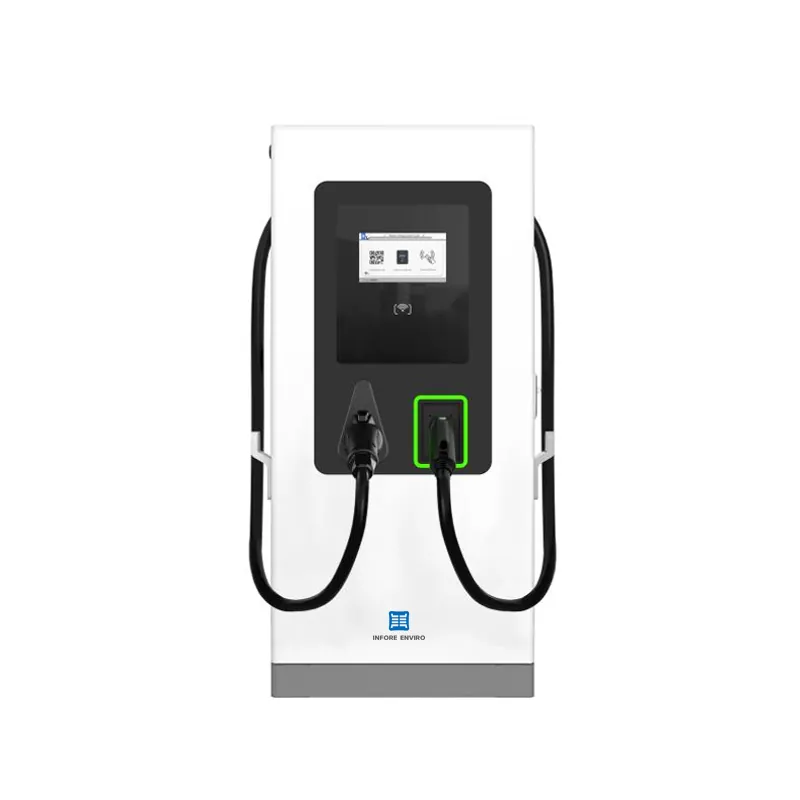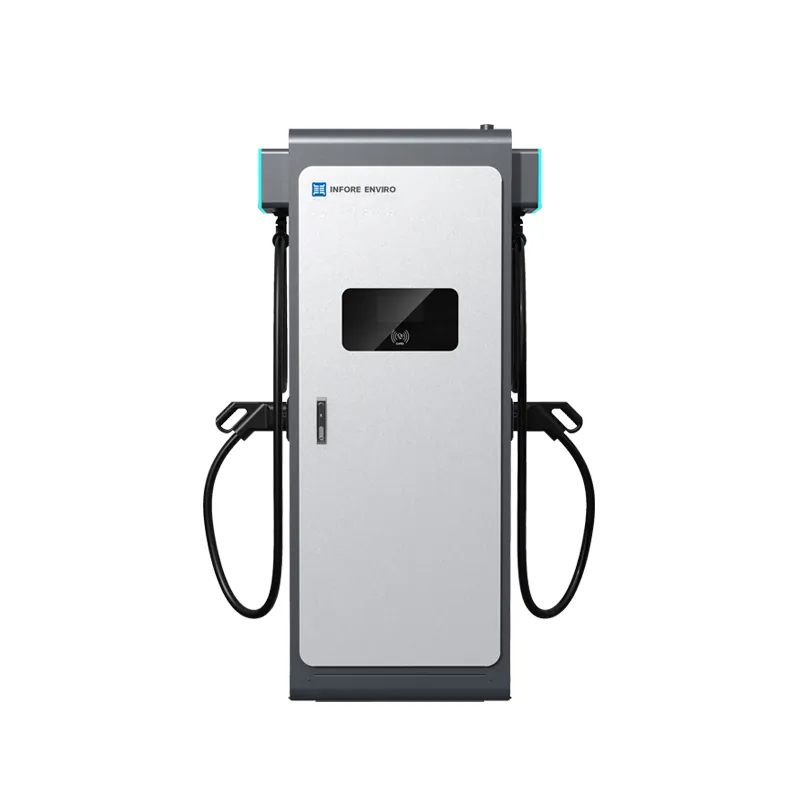
Choosing where to install an EV charger affects daily access, cable reach, electrical work, weather exposure, and long-term maintenance. A suitable location should make charging convenient without creating obstacles for vehicles, pedestrians, or service teams. For commercial projects, the installation point also needs to support parking management and future expansion. Location planning should therefore come before the charger is fixed to the wall.
Start with Parking Flow and Daily Use
The first step is to study how vehicles enter, park, charge, and leave the site. Chargers should be placed where users can connect without stretching cables across walkways or driving lanes. Parking spaces with predictable vehicle orientation are easier to manage because the charging port position is more consistent.
For a wallbox EV charger, cable reach should be checked against the expected vehicle types. Some cars have front charging ports, while others place them on the side or rear. A location that works for only one parking direction may create cable tension or awkward parking.
Commercial sites should also consider how many vehicles may use the area during busy periods. Installing a charger too close to loading zones, emergency routes, or delivery paths can create conflicts. Clear separation between charging bays and operational traffic helps keep the site easier to manage.
Check the Electrical Route Before Installation
The wall may look convenient, but the electrical route behind it matters just as much. Installers should review the distance to the distribution board, cable path, available capacity, and whether wall drilling or conduit work is required. Longer cable routes can increase material use and installation complexity.
The selected position should also allow technicians to reach the unit for inspection and maintenance. Tight corners, enclosed storage areas, or places blocked by equipment can make servicing difficult. Enough clearance around the charger supports safer work during inspection or replacement.
For larger projects, load planning should be discussed before equipment placement is finalized. Electrical capacity, expected charging time, and the number of charging points all affect how the installation should be arranged.
Consider Weather and Physical Protection
Outdoor charging locations need more attention to rain, dust, direct sunlight, and accidental impact. A wall-mounted unit should be installed on a stable surface and away from areas where water can collect. Drainage around the parking space also deserves attention because standing water can affect the installation environment.
Physical protection may be needed in busy commercial car parks. Bollards or suitable spacing can reduce the chance of vehicles striking the charger. The mounting height should also allow users to operate the unit comfortably without placing the interface too close to possible splash zones.
An EV charging wallbox should never be positioned only for visual convenience. The site condition, wall strength, cable routing, parking movement, and maintenance access need to be reviewed together.
Match Charger Features with the Installation Site
Once the location is suitable, the charger configuration should match the site’s electrical and operational needs. Our 7kW/11kW/22kW Vega Series Commercial Wallbox is designed for commercial charging scenarios where different power levels may be required.
The unit supports Type 2 charging and offers 7kW, 11kW, and 22kW options. Startup functions include OCPP 1.6J, while operation can support APP control, RFID card access, or plug-in charging. Networking options include 4G, Wi-Fi, Bluetooth, and Ethernet. The smart APP version is optional.
Input voltage is AC220V±10% or AC400V±10%, depending on configuration. These specifications should be matched with the site’s electrical supply before installation. We recommend confirming available voltage, power capacity, and communication requirements before selecting the final model.
At INFORE ENVIRO, we also pay attention to the development and testing behind charging equipment. Our technical team includes more than 100 personnel, with over 20 testing staff, while our R&D investment accounts for 25%. We also hold more than 30 patents to support product development for different B2B project needs.
Connectivity Affects Installation Planning
Commercial chargers are often part of a managed charging environment rather than isolated devices. Network availability can therefore influence installation position. A location with a weak mobile or Wi-Fi signal may affect communication if the charger depends on those channels.
Where Ethernet is preferred, the cable route should be included in the early installation plan. For OCPP-based management, stable connectivity helps operators review charging status, session information, and equipment data through the management platform.
The practical use of an EV charging wallbox may also depend on how clearly the charging bay is identified. Signage, bay markings, lighting, and user access all affect daily operation. Good placement supports both the electrical system and the charging process.
Plan for Maintenance and Future Expansion
The installation point should still work after the site becomes busier. Project teams should leave enough room for technicians to open enclosures, inspect cables, and replace components without moving unrelated equipment.
Future expansion should also be considered. If more charging points may be added later, planners can reserve cable routes, distribution capacity, or nearby wall space. This can reduce disruption when the charging area grows.
A second wallbox EV charger should not be added simply because wall space is available. Each additional unit changes electrical demand, parking allocation, and cable planning, so expansion needs the same site review as the first installation.
Better Placement Starts with Site Planning
Finding the right charger position means balancing parking flow, electrical access, environmental exposure, connectivity, and maintenance. No single wall location is suitable simply because it is close to a parking bay.
At INFORE ENVIRO, we approach installation planning from the practical needs of B2B projects. Careful site review before installation can reduce avoidable changes, improve daily usability, and create a clearer path for future charging expansion.