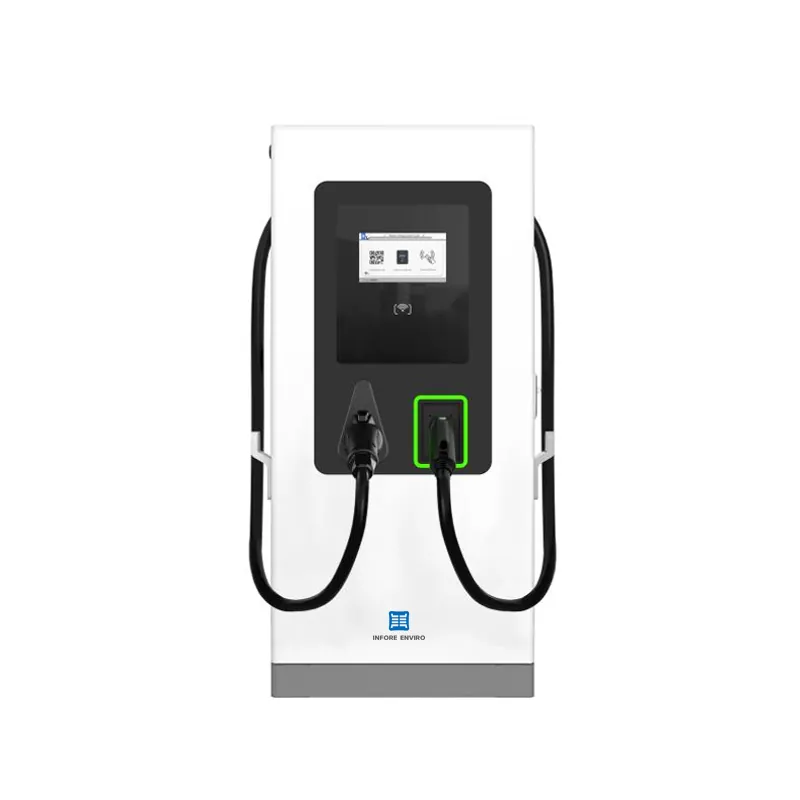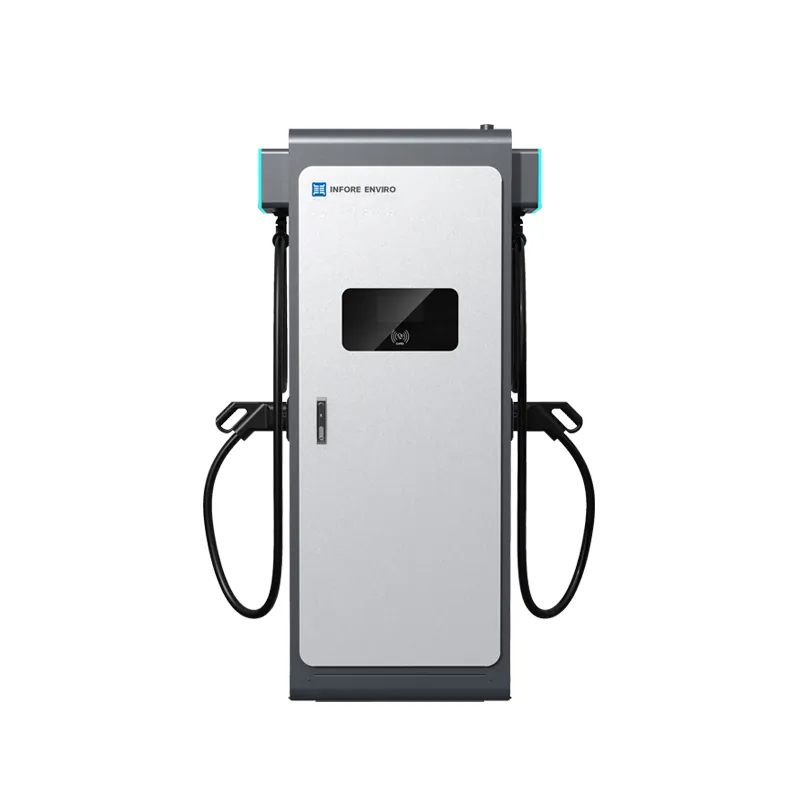
Commercial EV charging is becoming more connected, flexible, and easier to manage. For workplaces, retail sites, hotels, and parking facilities, charger selection now involves more than rated power. Buyers also need to review communication methods, user access, electrical compatibility, and management functions. In 2026, a suitable wallbox EV charger should support daily operation while fitting the site’s electrical and network conditions.
Power Options Should Match the Site
Power is still one of the first points to compare. Commercial wallbox units commonly use 7kW, 11kW, or 22kW output. The suitable rating depends on vehicle dwell time, available electrical capacity, and the number of charging points planned for the site.
A 7kW unit can suit longer parking periods. Higher ratings such as 11kW or 22kW may be more practical where users need shorter charging sessions. Project teams should compare charger output with the vehicle’s onboard AC charging capability before selecting equipment.
Electrical supply also matters. Input voltage, distribution capacity, cable sizing, and protection devices should be reviewed together. Selecting a higher-rated charger without checking site capacity can create unnecessary installation changes.
Network Connectivity Is Now a Practical Requirement
Connected charging makes it easier for operators to monitor status, manage access, and review charging activity. In commercial projects, Wi-Fi alone may not suit every location. Buildings, underground parking areas, and outdoor sites can have different communication conditions.
Support for 4G, Wi-Fi, Bluetooth, and Ethernet gives project teams more choices during installation. A wired network may suit fixed commercial sites, while 4G can help where local network access is limited. Bluetooth can also support nearby setup or configuration tasks.
Management platform compatibility is another point to review. Standard OCPP support can help charging equipment communicate with compatible backend systems. This is useful for businesses that plan to manage multiple charging points through one platform.
Network planning should also consider signal stability and future expansion. A project that starts with several chargers may later add more units. Choosing communication methods early can reduce rework when the charging area grows or the operator changes backend management arrangements.
User Access Needs More Than One Method
Commercial charging sites often serve different user groups. Employees, visitors, tenants, and fleet drivers may need different access arrangements. For this reason, one startup method may not suit every project.
RFID cards are useful where access needs to be controlled by user identity. App-based operation can support account management and remote functions. Plug-in charging can simplify use in controlled locations where separate authentication is not required.
When comparing a charger EV wallbox, buyers should check which startup methods are included and which are optional. They should also consider how these methods fit the planned management process rather than choosing functions only because they are available.
Product Configuration Should Support Real Site Conditions
Our 7kW/11kW/22kW Vega Series Commercial Wallbox is one example of how these functions can be combined. At INFORE ENVIRO, we offer this model with Type 2 charging support for commercial charging applications.
The charger supports OCPP 1.6J and provides APP, RFID card, and plug-in charging methods. Networking options include 4G, Wi-Fi, Bluetooth, and Ethernet. The listed input voltage is AC220V±10% or AC400V±10%, and a smart version with APP is optional.
This configuration gives project teams several ways to match the charger with site access rules and network conditions. Instead of treating connectivity as an added function, buyers can review it as part of the installation and operating plan.
Installation Planning Starts Before the Charger Arrives
Wall-mounted charging equipment may look simple, but installation still requires technical planning. Project teams should confirm cable routes, mounting position, distribution capacity, network availability, and user access before equipment reaches the site.
A wallbox EV charger should be placed where the cable can reach the vehicle without creating unnecessary obstruction. Mounting height and surrounding clearance also affect daily use and maintenance access. For commercial projects, parking layout should be reviewed together with charger position.
Commissioning should include electrical checks, communication setup, access configuration, and test charging. These steps help the operator confirm that the charger, backend platform, and site electrical system are working together as planned.
R&D Capability Matters for B2B Projects
Commercial buyers may also need customized functions or different communication settings for specific projects. This makes technical support and development capability relevant during supplier evaluation.
Our company has more than 100 technical personnel, with 25% investment in R&D and more than 20 testing personnel. We also hold more than 30 patents. These resources support product development, testing, and project-based customization.
For B2B customers, this can be useful when charging equipment must match local electrical requirements, network environments, or management processes. INFORE ENVIRO can use this development base to support project discussions without changing the basic selection logic buyers should follow.
What Buyers Should Prioritize in 2026
The main features to review in 2026 are not limited to output power. Connectivity, OCPP compatibility, startup methods, electrical input, network choices, installation conditions, and user management all affect how a charger performs in daily commercial use.
A good selection process starts with the site rather than the product list. When buyers match charger functions with parking time, electrical capacity, network access, and user groups, they can choose equipment that fits both installation and later operation.