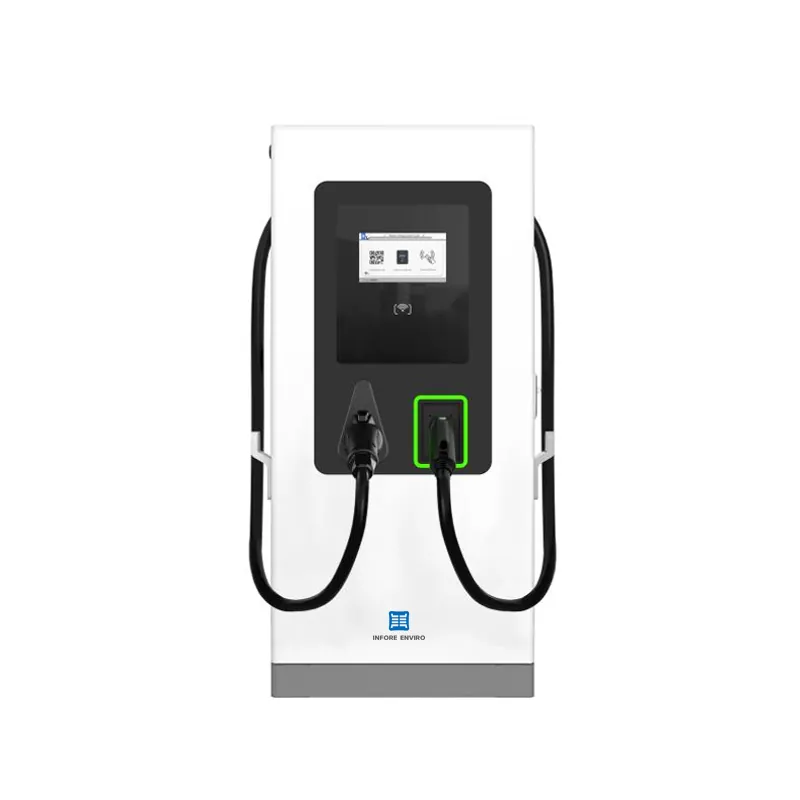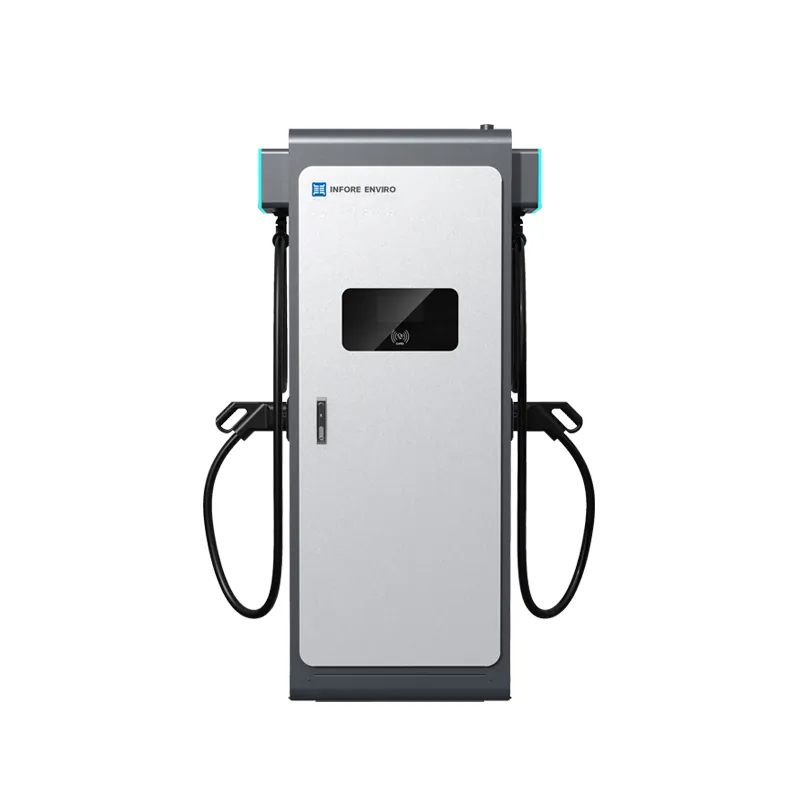
Commercial property owners and fleet operators frequently identify a severe lack of rapid charging infrastructure within their operational territories. When evaluating how to get dc fast charger in my area, procurement managers must move beyond basic searches and understand the technical steps of hardware specification. Deploying high-voltage infrastructure requires balancing local grid capacity against the actual daily dwell times of expected electric vehicles.
Instead of relying on consumer-grade electrical contractors, regional developers need direct partnerships with established original equipment manufacturers. Sourcing factory-direct hardware eliminates procurement bottlenecks and ensures technical compatibility with regional utility constraints. Extensive manufacturing backgrounds provide project integrators with reliable, industrial-grade equipment tailored specifically for commercial parking facilities, fleet depots, and logistics hubs.

Evaluating Site Capacity and Hardware Output
The critical first step in regional deployment is conducting a site feasibility assessment. Before ordering equipment, facility managers must verify local transformer capacity and existing three-phase electrical service. Installing a heavy-duty Level 3 DC fast charger demands substantial grid overhead compared to standard alternating current units. Understanding these utility thresholds prevents costly civil engineering delays during the initial installation phase.
Once the site’s electrical baseline is established, project integrators can select appropriate power configurations. Our lower-output direct current modules, such as compact 30 kW, 40 kW, and 44 kW units, offer cost-effective rapid charging without triggering extreme utility upgrades. These lower tiers serve for quick-service retail locations or short-term municipal parking lots where visitors typically stay for under two hours.
For highway transit corridors or high-turnover fleet depots, heavier power architectures become strictly necessary. Procurement teams frequently specify a 100kw DC fast charger or scale directly to our 120 kW, 160 kW, and 180 kW models. These high-capacity configurations minimize vehicle downtime drastically. For heavy freight logistics, our self-developed direct current systems can even scale up to massive 240 kW, 360 kW, and 480 kW outputs.
Multi-tier hardware deployment maximizes the utility of a single commercial parking lot. Our integrated stations combining direct current 60 kW rapid charging alongside an alternating current 22 kW socket provide versatile replenishment from one footprint. Alternatively, dual-gun high-voltage systems allow operators to route power dynamically to two adjacent bays, doubling site throughput without requiring entirely separate electrical conduit trenches.
Environmental Durability for Local Climates
Regional weather patterns dictate physical build requirements for outdoor electrical infrastructure. Procurement engineers must heavily scrutinize the Ingress Protection ratings of proposed hardware. Deploying equipment in exposed coastal environments, snowy transit routes, or dusty regions requires robust structural sealing. Industrial-grade cabinets prevent moisture, salt spray, and airborne debris from penetrating the enclosure and destroying sensitive high-voltage power electronics.
Factory specifications provide clear benchmarks for weather resistance. Our high-capacity direct current units, such as the dual-connector 160 kW CCS2 station and integrated hybrid cabinets, feature a certified IP54 rating. This ingress level guarantees waterproof and dustproof protection against multi-directional water splashes and harmful accumulation. Utilizing properly rated IP54 cabinets eliminates the risk of weather-related hardware failure in open commercial parking lots.
Alternating current hardware also demands strict environmental ruggedization. Our standalone 11 kW socket wallboxes achieve IP55 protection, while dual-gun 14 kW to 42 kW models utilize IP54 designs. For extreme exposure, 7 kW self-developed wallboxes offer an IP65 sealed enclosure. Selecting the correct protection grade reduces maintenance frequency, ensuring bays remain operational throughout harsh weather.
Internal electrical safeguards are equally critical for regional commercial deployments. High-voltage hardware must incorporate comprehensive electrical protection circuits. These integrated safety barriers shield against over-voltage, under-voltage, short circuits, ground faults, and sudden current leakage. These redundant protections prevent catastrophic power surges from damaging the connected vehicle’s battery pack, simultaneously isolating the property’s electrical grid from dangerous anomalies.
Regional Compliance and Network Integration
Deploying infrastructure locally requires strict adherence to regional regulatory standards. European markets demand hardware compatible with EU Type 2 and CCS2 formats, alongside CE, CB, and RoHS compliance. Conversely, domestic deployments in Asian territories necessitate China GB/T standards and mandatory CCC (3C) certifications. Our equipment carries these legitimate third-party laboratory certifications, mitigating liability risks and streamlining local municipal permit approvals.
Operating charging infrastructure profitably requires seamless software communication with centralized billing networks. Commercial hardware must natively support the Open Charge Point Protocol. This standardized firmware allows charge-point operators to integrate physical stations into regional management platforms effortlessly. Native protocol compatibility enables remote diagnostics, automated dynamic pricing adjustments, and over-the-air software updates, preventing the hardware from becoming stranded assets.
Supply Chain Verification for Project Integrators
Securing hardware for your region requires verifying the supplier’s actual production capabilities. With 10 years in EVSE manufacturing, INFORE ENVIRO specializes in engineering self-developed charging stations. Our substantial in-house production capacity ensures component consistency across bulk orders. Factory-direct partnerships enable project integrators to request custom development, removing intermediary distribution friction and strictly controlling capital expenditure.
Manufacturing scale directly determines delivery reliability for commercial rollouts. Operating our extensive 12,000 square meter factory floor, veteran hardware producers maintain predictable lead times spanning 30 to 45 days. This rapid production capacity empowers regional distributors and local fleet managers to commit to aggressive deployment schedules with absolute confidence, bypassing unpredictable delays associated with smaller equipment brokers.
Procurement contracts must mandate robust financial safety nets to protect long-term site profitability. Project developers should require a standard 2-year warranty on all commercial hardware to mitigate the financial risk of premature degradation. Access to our dedicated 7×24 hour after-sales response team guarantees that unexpected field anomalies receive immediate technical attention, maximizing uptime and continuous regional revenue generation.