Commercial fleet operators face severe logistical bottlenecks when transitioning to electric transit. Standard destination infrastructure relies entirely on the vehicle’s onboard inverter to process incoming alternating current. This internal conversion physically limits maximum energy intake, forcing commercial vans to park for extended shifts. Resolving this technical hurdle requires bypassing onboard hardware entirely to maintain tight delivery schedules.
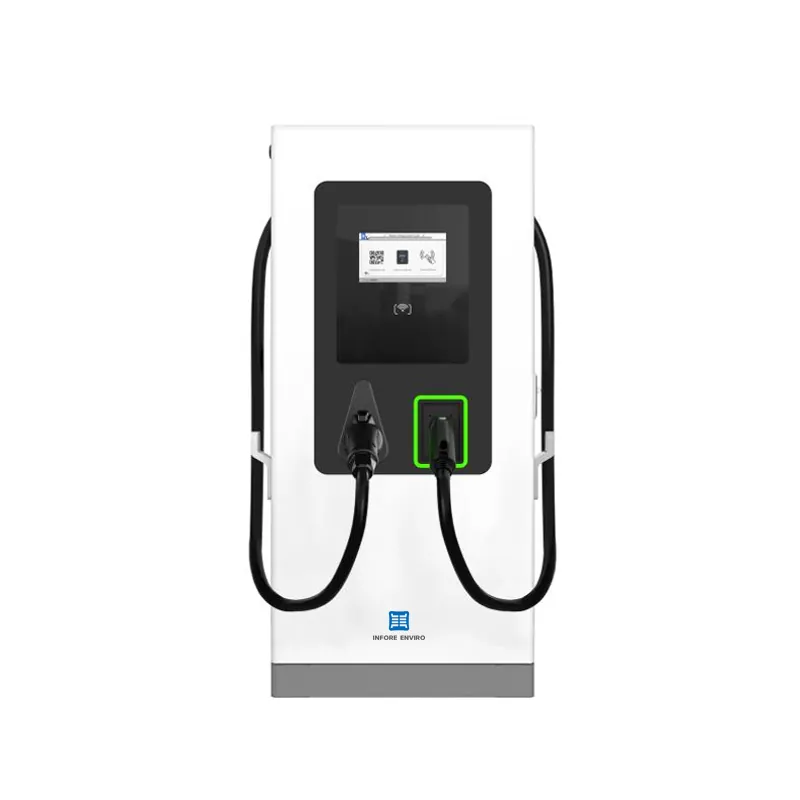
To achieve rapid turnaround times without consuming massive depot floor space, project integrators must deploy compact direct current equipment. A wall-mounted DC wallbox EV charger delivers high-voltage power straight into the traction battery. By keeping the footprint minimal and the power output high, facility managers can optimize tight urban loading bays without sacrificing critical commercial turnaround speeds.

Bypassing Inverters for High-Speed Replenishment
The primary engineering advantage of direct current hardware stems from its internal power rectification. Instead of feeding raw alternating grid power to the vehicle, the station performs the necessary AC-to-DC conversion directly inside the cabinet. Eliminating the vehicle’s internal conversion limits shrinks battery replenishment intervals from several hours down to mere minutes, significantly boosting daily route efficiency.
Compact direct current configurations provide the perfect balance between charging speed and physical footprint constraints. Facilities lacking the electrical overhead for massive standalone cabinets can deploy efficient 30 kW, 40 kW, and 44 kW wall-mounted systems. These specific power tiers deliver substantial turnaround improvements over standard destination hardware, keeping commercial fleet vehicles continuously active on their routes.
For operational scenarios requiring extended overnight dwell times, alternating current infrastructure remains highly relevant. Distributors can supply robust AC units operating across 7 kW, 11 kW, and 22 kW power ranges. Integrating both AC and compact DC systems allows logistics directors to optimize multi-tier charging operations, matching power delivery to varying vehicle shift schedules.
Environmental Durability for Exposed Loading Bays
Deploying commercial hardware in tight urban alleys or exposed delivery bays demands strict physical durability. Standard floor-mounted units often obstruct vehicle turning radiuses in older commercial properties. Wall-mounted designs reclaim critical ground space while simultaneously maintaining high-voltage power delivery. However, exposing equipment outdoors means procurement engineers must rigorously verify Ingress Protection ratings to prevent environmental moisture damage.
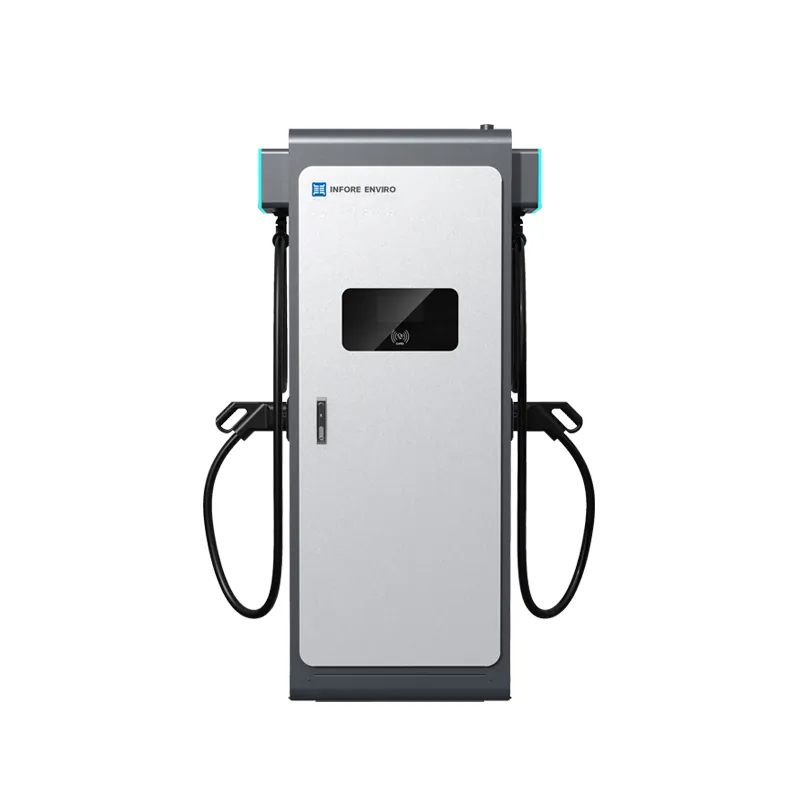
Verified engineering specifications highlight the absolute necessity of proper environmental sealing across all equipment form factors. Heavy-duty direct current systems and hybrid DC60kW/AC22kW stations utilize a certified IP54 rating. This ruggedized enclosure guarantees waterproof and dustproof protection against multi-directional splashes and airborne conductive particulates, ensuring these rapid-chargers survive harsh weather conditions without triggering localized electrical faults.
Auxiliary alternating current infrastructure also requires distinct ingress grading based on the exact deployment environment. A standalone 11 kW socket wallbox EV charger achieves an IP55 rating, providing enhanced resistance against dust penetration. For maximum environmental exposure, self-developed 7 kW tethered models feature exceptional IP65 sealing, permanently reducing unexpected maintenance dispatch intervals for the property owner.
Protocol Integration and Regulatory Compliance
Standalone hardware isolated from central management networks quickly becomes an operational liability. Commercial infrastructure must natively support the Open Charge Point Protocol to remain viable. Standardized OCPP firmware enables fleet operators to monitor specific bay usage, adjust dynamic pricing, and execute remote diagnostics. This vital software interoperability prevents proprietary vendor lock-in and protects long-term capital investments.
Native OCPP integration specifically enables automated dynamic load balancing across constrained commercial parking facilities. The software intelligently throttles power delivery based on real-time building utility limits. This active load management prevents multiple rapid chargers from triggering severe peak-demand utility surcharges, allowing fleet directors to systematically scale their networks without ordering expensive transformer upgrades.
International deployment requires strict adherence to regional safety frameworks and physical connector standards. European commercial markets demand hardware compatible with EU Type 2 and CCS2 inlets. Furthermore, the equipment must achieve comprehensive CE, CB, and RoHS compliance. These certifications verify rigorous electromagnetic compatibility testing, ensuring the hardware operates safely alongside existing commercial building electronics.
Domestic deployments within certain Asian markets carry entirely different technical prerequisites for public grid interconnection. Equipment installed in these specific territories must strictly support China GB/T standards. Additionally, the hardware must secure mandatory CCC (3C) certifications. Purchasing factory-certified equipment eliminates regional regulatory friction, allowing contractors to pass municipal safety inspections without commissioning delays.
Spec Sheet Checklist for Facility Procurement
Evaluating a manufacturing partner requires looking far beyond initial unit pricing. Distributors must scrutinize raw production capacity and internal engineering depth before signing supply contracts. Relying on an established OEM/ODM facility grants project integrators access to specialized custom development, enabling customized enclosure branding and specific connector configurations tailored exactly to local commercial fleet requirements.
Substantial manufacturing scale directly determines delivery reliability for sprawling commercial rollouts. Operating our massive 12,000 square meter factory floor, we maintain highly predictable production cycles spanning 30 to 45 days. This rapid manufacturing capability empowers electrical contractors to commit to tight construction schedules securely, entirely eliminating unpredictable equipment shortages during critical site development phases.
Robust financial safety nets remain mandatory to protect upfront capital investments in high-voltage infrastructure. Commercial procurement contracts must secure a standard 2-year warranty to strictly mitigate premature component failure risks. We provide this warranty to guard these electrical assets with comprehensive warranty terms, preserving long-term project profitability across heavily utilized commercial delivery depots and logistics hubs.
For a decade, INFORE ENVIRO has engineered resilient electrical infrastructure for commercial applications. Drawing on 10 years in EVSE manufacturing, our in-house production supplies industrial-grade solutions backed by our dedicated 7×24 hour after-sales technical response team. This round-the-clock professional support keeps high-voltage charging bays fully functional, preserving fleet delivery schedules and maintaining logistical efficiency.