In October, new energy vehicle sales accounted for 51.6% of total vehicle sales in China, breaking the 50% threshold for the first time! Public acceptance of new energy vehicles has risen comprehensively. However, alongside this sales surge, many owners remain uncertain about how to choose among the three charging methods—slow charging, fast charging, and ultra-fast charging—with particular concerns about ultra-fast charging: Will frequent use of ultra-fast charging damage the battery?
Before diving into the analysis, let’s first understand a few key concepts: slow charging, fast charging, and ultra-fast charging.
- Concept Overview: Slow, Fast, and Ultra-Fast Charging
Currently, there is no official unified definition for “slow charging, fast charging, and ultra-fast charging” on the market. Conventionally:
Slow Charging
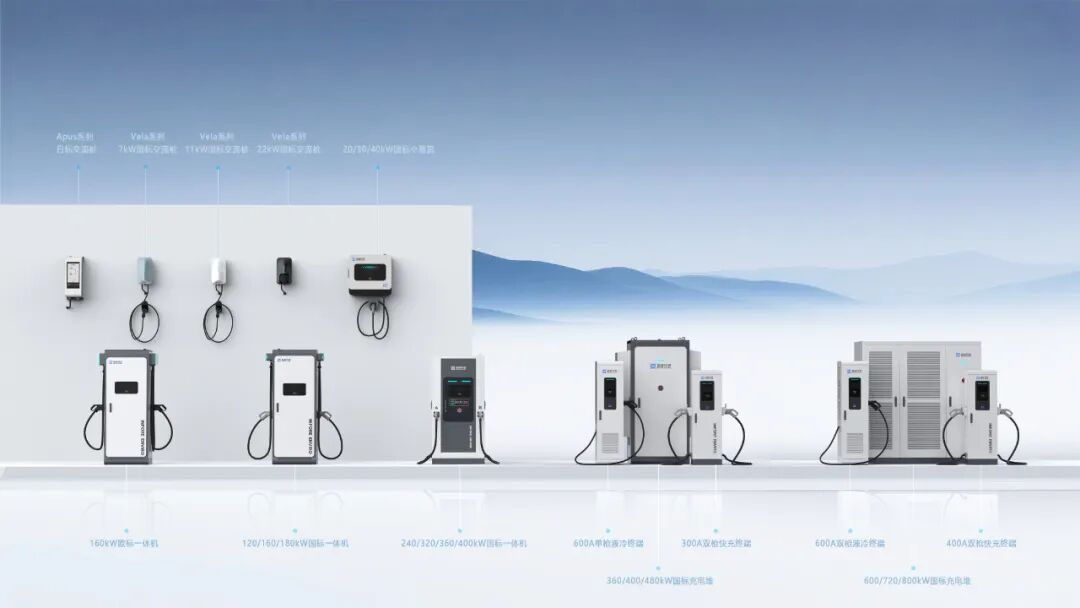
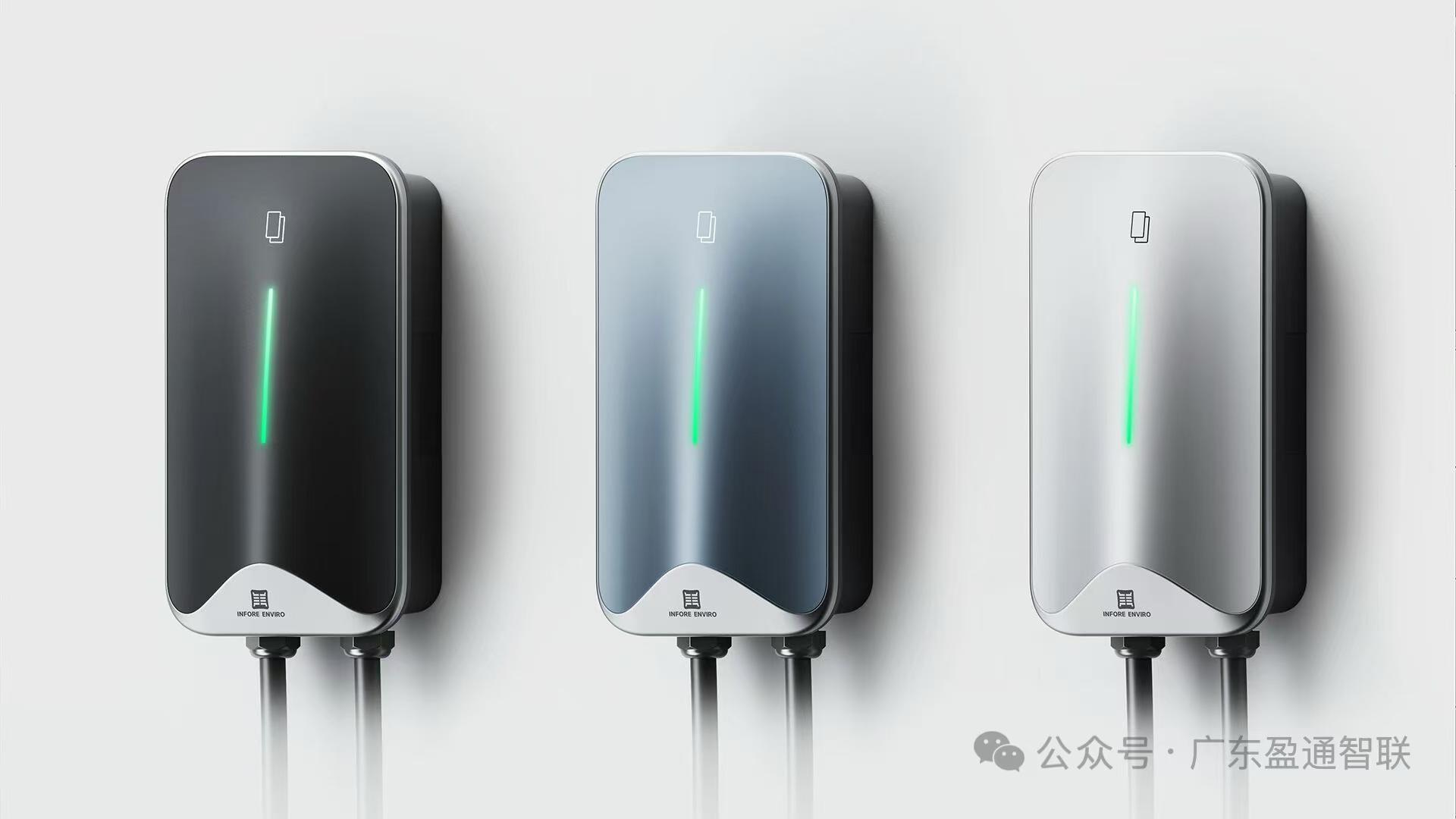
- Power typically ranges between 5–22 kW, with 7 kWbeing the mainstream standard
- Generally requires 8–10 hoursto fully charge the power battery
Fast Charging
- Charging power generally falls between 40–400 kW
- Can charge the power battery to approximately 80%within 30–60 minutes
Ultra-Fast Charging
- Single-gun charging power of 480 kWor above, or charging current exceeding 600A
- Capable of charging the power battery to approximately 80%in an extremely short time, such as 15–30 minutes
- At its fastest, can achieve 1 km per second, rivaling the speed of refueling
- Insights from Professional Research: Does Ultra-Fast Charging Harm the Battery?
Ultra-fast charging is highly popular at highway service areas, logistics trunk hubs, and similar locations. But does frequent use of ultra-fast charging damage the battery?
Research indicates that it actually can, but as technology advances and solutions multiply, this harm is becoming increasingly minimal. For vehicle owners, the key lies in developing good driving habits and practicing scientific charging.
Consider the following professional research:
“High-energy-density lithium-ion batteries are prone to lithium plating during fast charging, triggering capacity degradation and safety risks.” — Professional research team
Lithium plating represents the biggest bottleneck facing lithium-ion battery fast charging. Figure 1 below illustrates the lithium plating mechanism during the fast charging process.
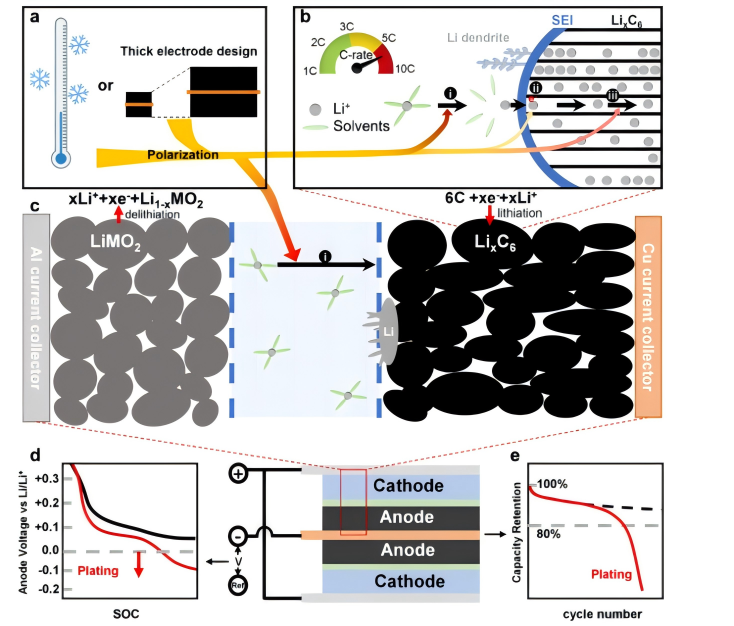
Figure 1. Multi-Scale Analysis of Lithium Plating Aging Mechanism Under Fast Charging Conditions
(a) Polarization caused by low temperatures or thick electrode designs; (b) Three critical processes inducing lithium plating in batteries: (i) lithium-ion transport in electrolyte, (ii) charge transfer at electrode-electrolyte interface, (iii) solid-phase diffusion within negative electrode particles; (c) Schematic of lithium-ion cell charge and discharge; (d) Polarization driving negative electrode potential below 0V, triggering lithium plating; (e) Sudden capacity drop caused by lithium plating.
Since There Is Damage, Why Continuously Pursue Fast and Ultra-Fast Charging?
In fact, leading automakers each possess their “secret weapons” to address this: low-impedance battery cells, dynamic BMS algorithms, intelligent thermal management systems…
To address this issue, professional research teams have proposed an innovative solution: rapidly preheating to high temperature (e.g., 60°C) before charging, then returning to ambient temperature for discharging after charging is complete (Figure 2c). This method successfully avoids lithium plating and maintains 80% capacity after 1,700 cycles of 6C fast charging, with its aging trajectory aligning with high-temperature 1C charging batteries in terms of high-temperature duration (Figure 2d)—effectively resolving the “activity-stability” paradox.
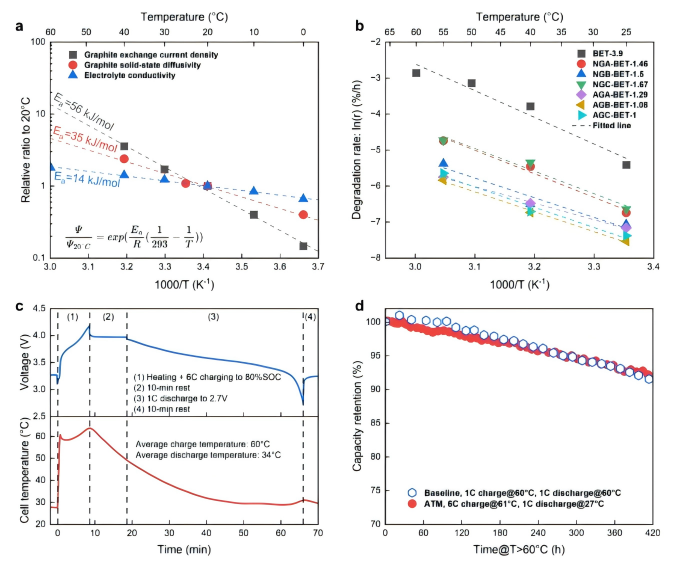
Figure 2. Role of Thermal Regulation Strategy in Resolving the “Activity-Stability” Paradox
(a) Temperature dependence of graphite exchange current density, solid-phase diffusion rate, and electrolyte conductivity; (b) Relationship between capacity decay rate and temperature for graphite with different specific surface areas; (c) Schematic of Asymmetric Temperature Modulation (ATM) strategy; (d) Capacity retention comparison between 6C fast-charging and 1C conventional charging batteries at 60°C.
Note: The above research is from “Thermal–Materials Synergy for Fast-Charging Lithium-Ion Batteries” published in ACS Energy Letters. For the original literature, please click “Read Original.”
- Scientific Charging to Extend Battery Life
Of course, even the most advanced technology cannot overcome day-after-day bad habits. For daily charging, mastering the following methods can extend your vehicle’s battery life:
1.Choose slow charging for daily use, fast charging for emergencies: Fast charging and ultra-fast charging are “emergency kits,” not “daily staples.” Opting for slow charging in daily use can prolong battery life.
2.Shallow charging and discharging: Keep daily battery levels between 20%-80%, avoiding deep discharge and overcharging.
3.Avoid extreme conditions: Allow the vehicle to cool down after high-temperature sun exposure; preheat in advance in low-temperature environments.
4.Pay attention during long-term storage: For vehicle idle periods exceeding 7 days, maintain battery charge at 50%-70%, avoiding full-charge storage or depleted storage.
5.Set charging limit to around 95% to prevent overcharging.
The essence of ultra-fast charging is a trade-off between “speed and lifespan.” Automakers’ technological progress is narrowing this gap, but users’ charging habits remain critical. With good charging habits, battery health can remain above 90% even after five years.
- Yingtong Zhilian: Mitigating Lithium Plating Risks at the Source
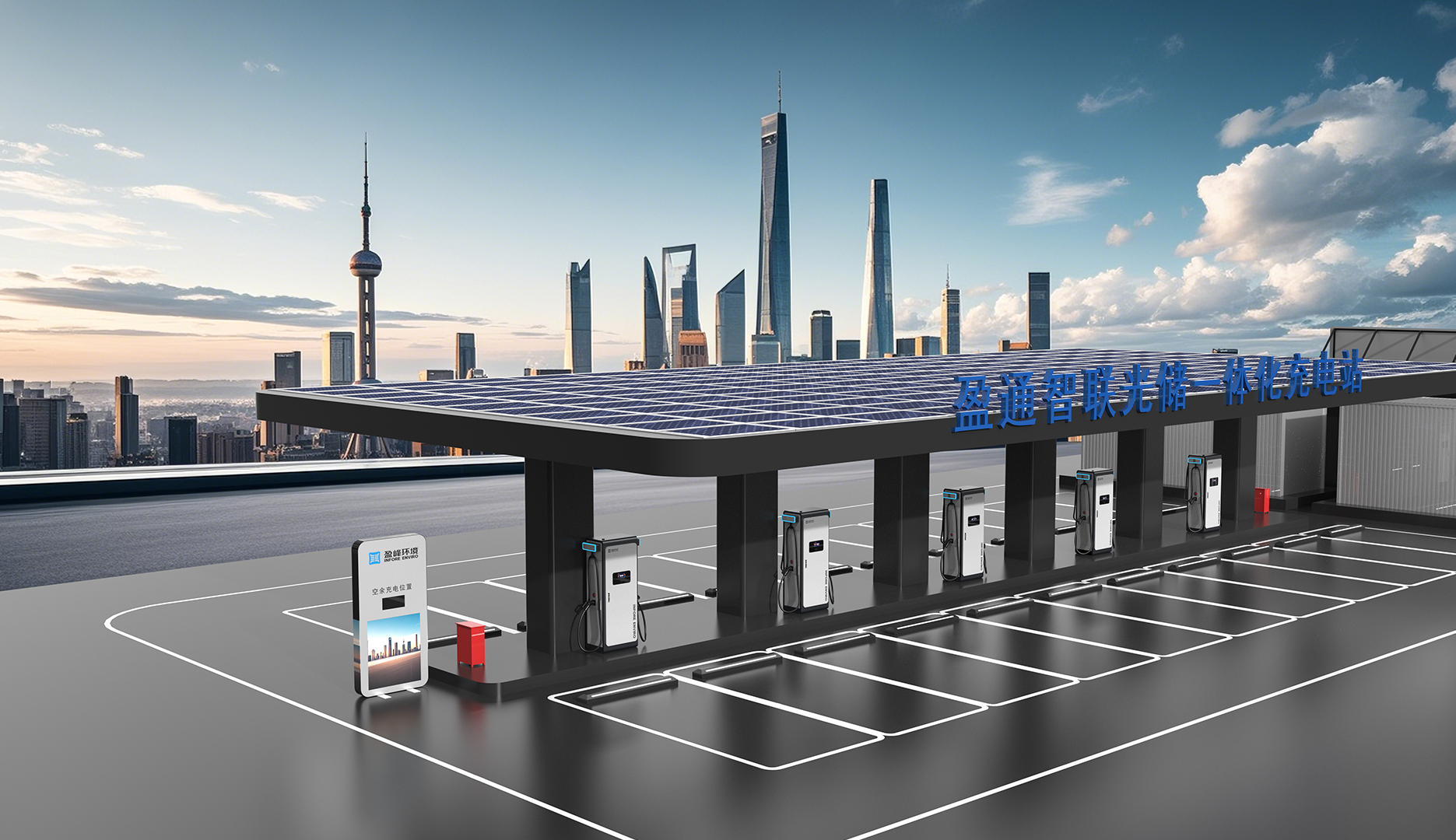
As an integrated “energy storage and charging service” solution provider, Yingtong Zhilian remains committed to maximizing battery health protection while enhancing charging efficiency through technological innovation. Leveraging our battery health state prediction models, we have achieved precise lifecycle management and proactive protection of battery health.
For example, our paper published in an SCI journal, “Lithium Batteries Health State Prediction Method Based on TCN-GRU-Attention Fusion Model with Multi-Source Charging Information,” achieves high-precision prediction of battery degradation trajectories by introducing multi-source charging information and self-attention mechanisms, providing data support for dynamic adjustment of fast-charging strategies. Another paper presented at the EI-indexed conference SEGER 2025, “A GWO-BiLSTM Model-Based Method for Lithium-Ion Battery SOH Prediction Using Charging Phase Data,” utilizes the GWO algorithm to optimize bidirectional long short-term memory networks, extracting multi-dimensional health features from charging data to achieve SOH prediction errors below 1%, further enhancing the reliability of battery health management and early warning capabilities.
These research findings have been gradually integrated into Yingtong Zhilian’s full range of DC charging products, equipping them with “charging as health checkup” capabilities—while providing users with efficient energy replenishment, they simultaneously assess battery health status in real time, dynamically optimize charging strategies, fundamentally alleviate fast-charging damage, and truly achieve “speed and longevity combined.”