For charging station operators, the stable operation of charging piles is crucial for ensuring operational revenue.
A deep understanding of the core components of charging piles not only helps in accurate component selection before construction but also provides professional support for daily operation and maintenance and troubleshooting after construction!
The five core components of a charging pile:
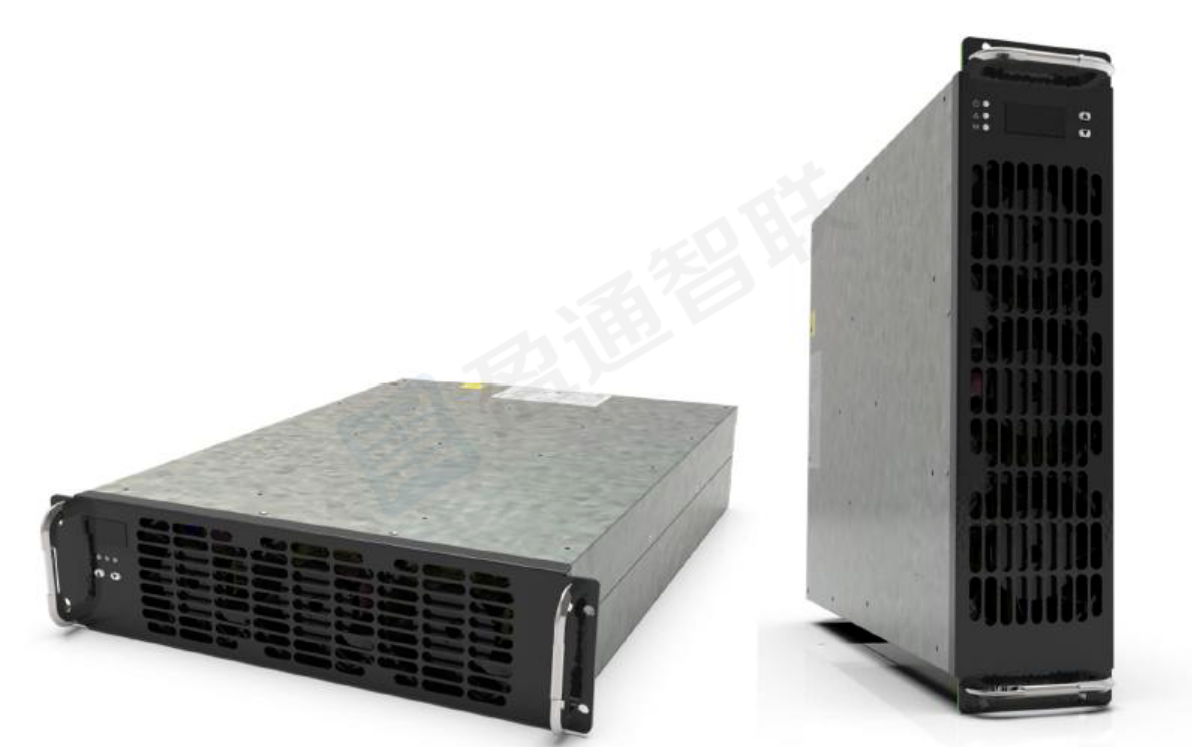
- Charging Module: The “heart” of the charging pile.
It is responsible for converting 380V AC power into 300-1000V DC power required by electric vehicle batteries, directly affecting charging efficiency and operational turnover rate.
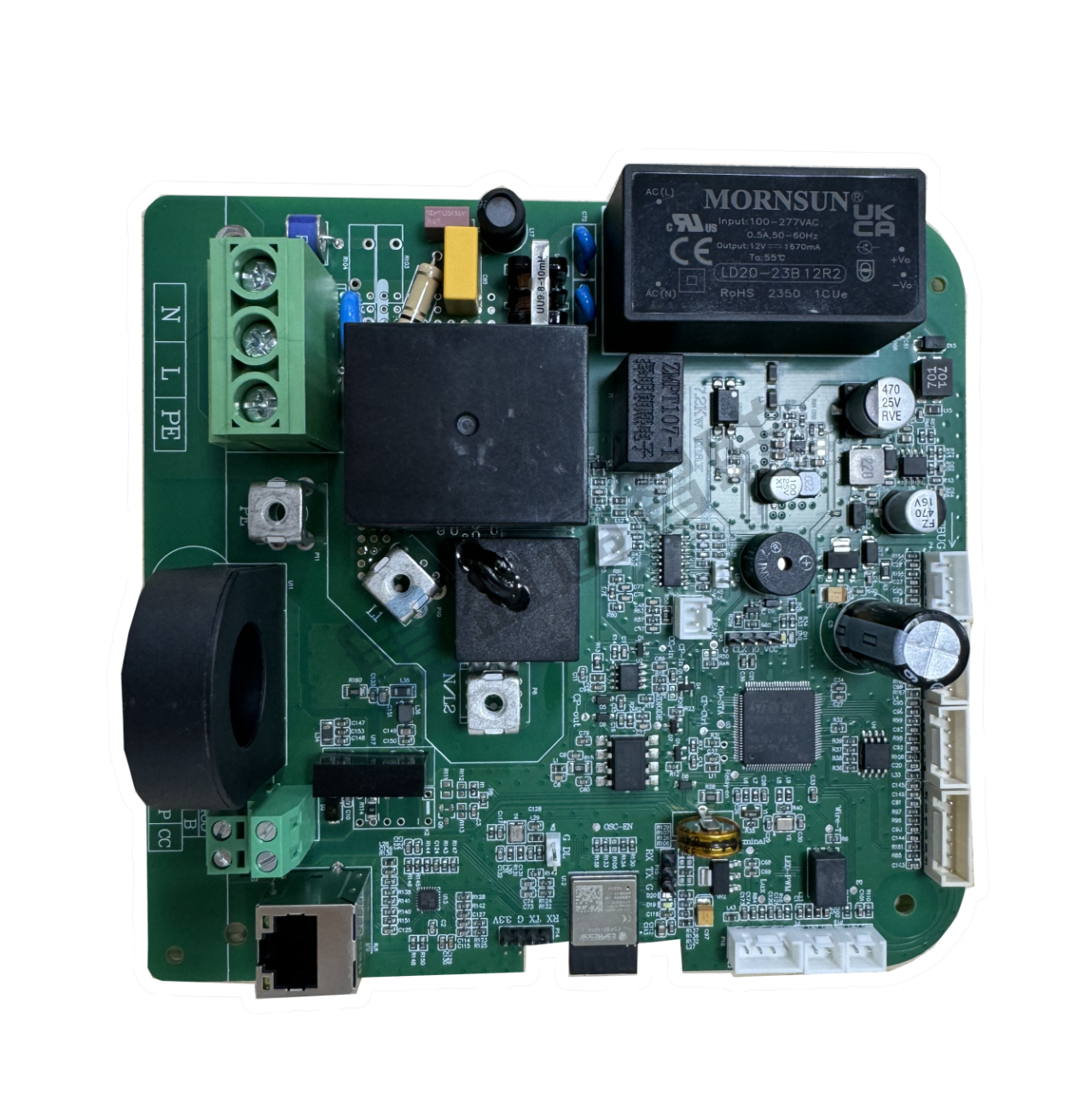
- Main Control Board: The “brain” of the charging pile.
It undertakes the key functions of charging process control, data interaction, and equipment status monitoring, and is the foundation for the intelligent operation of the charging station.
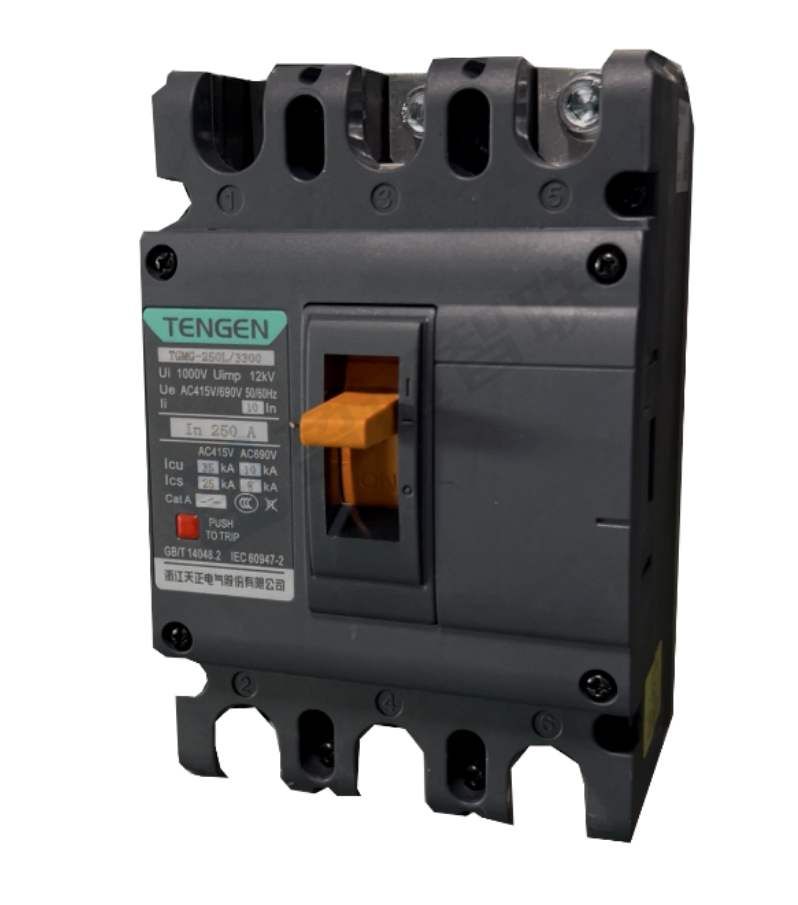
- Circuit Breaker: The first line of defense for safety.
Controls the switching on and off of high-voltage circuits, providing overload, short-circuit, and leakage protection to prevent equipment damage and safety accidents.
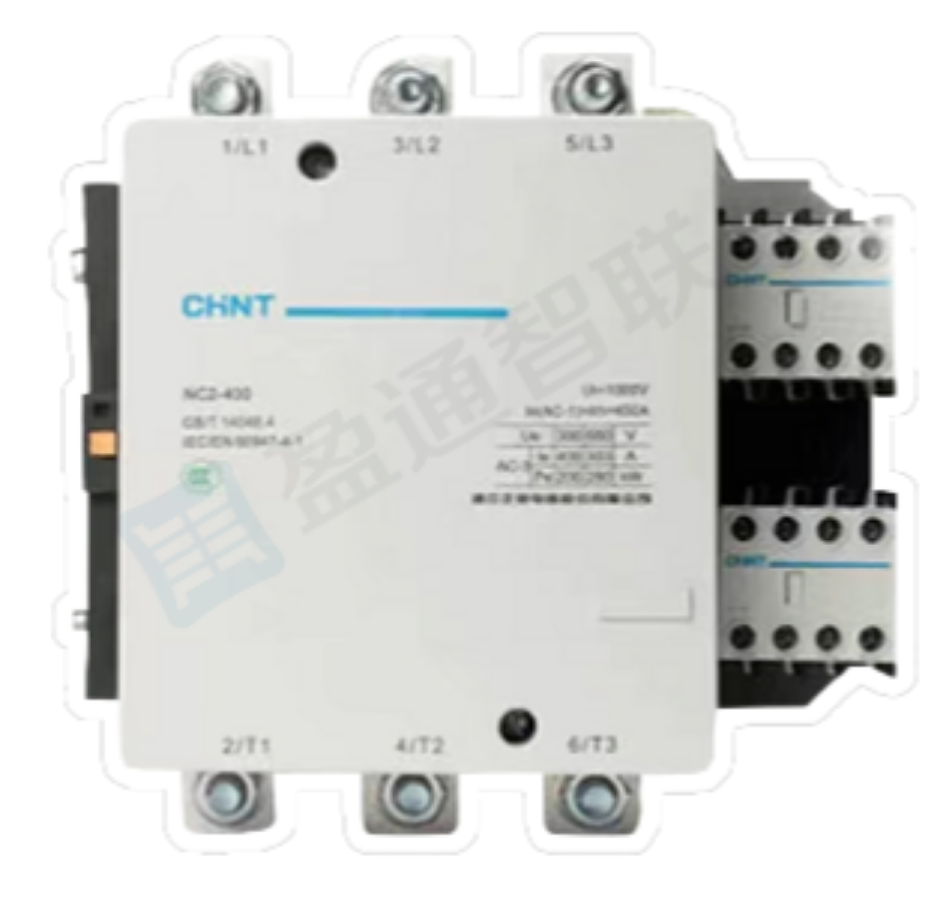
- Contactors These are divided into AC contactors and DC contactors.
They are the actuators in high-voltage circuits. They are responsible for controlling the switching on and off of high-voltage, high-current circuits.
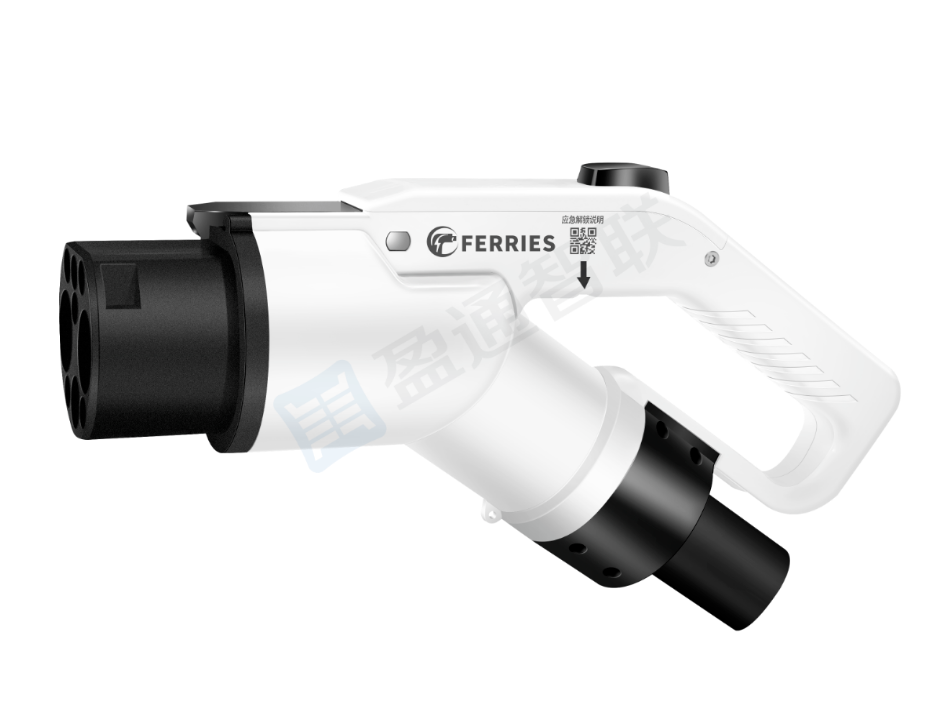
- Charging Gun: The bridge for current transmission between the charging station and the vehicle.
Its reliability and durability directly affect the user’s charging experience and equipment maintenance costs. As a frequently used component, special attention should be paid to its protection level, shell abrasion resistance, and compatibility.
Understanding the performance and characteristics of the core components of charging piles is key for operators to improve equipment reliability, reduce maintenance costs, and optimize service quality.